
The journal
Should you add mulch to container plants?
Yes in many cases. Learn the real benefits, what to use, how to top-dress pots, when to adapt or skip mulch, and simple fixes if problems show up.
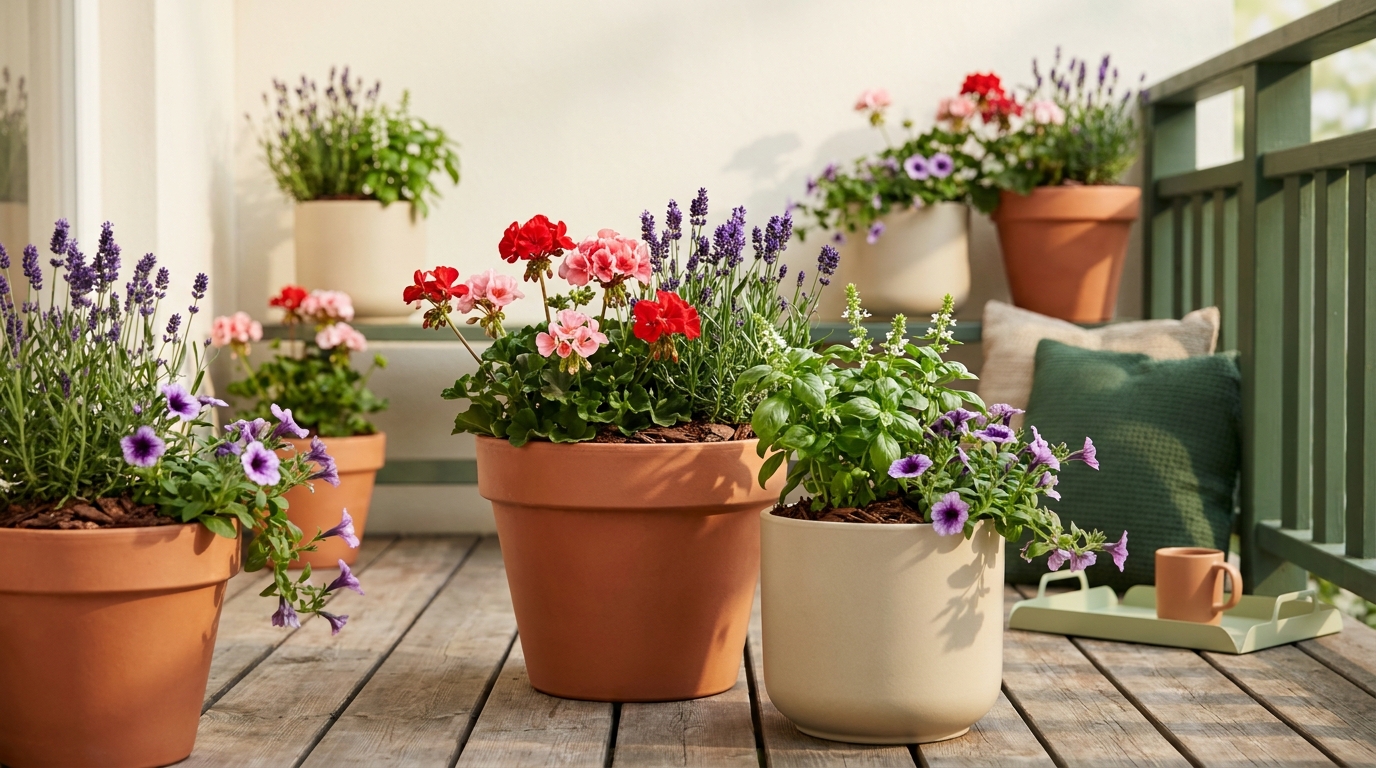
Quick answer: should you add mulch to container plants?
Yes, in many container setups a surface mulch is helpful. It can conserve moisture, limit weed seedlings, cut down on soil splash when watering, and neaten the finish (https://www.organicgardener.com.au/mulching-pots/; https://www.gardengatemagazine.com/articles/how-to/plant/type-of-mulch/).
What mulch does in pots
On containers, mulch:
- Slows evaporation and helps suppress weeds (https://www.organicgardener.com.au/mulching-pots/; https://www.chicagobotanic.org/plantinfo/smartgardener/all_about_mulch).
- Reduces soil splash on foliage and over the rim when you water (https://www.gardengatemagazine.com/articles/how-to/plant/type-of-mulch/).
- Can moderate surface temperature; organic mulches gradually add organic matter as they break down (https://www.organicgardener.com.au/mulching-pots/).
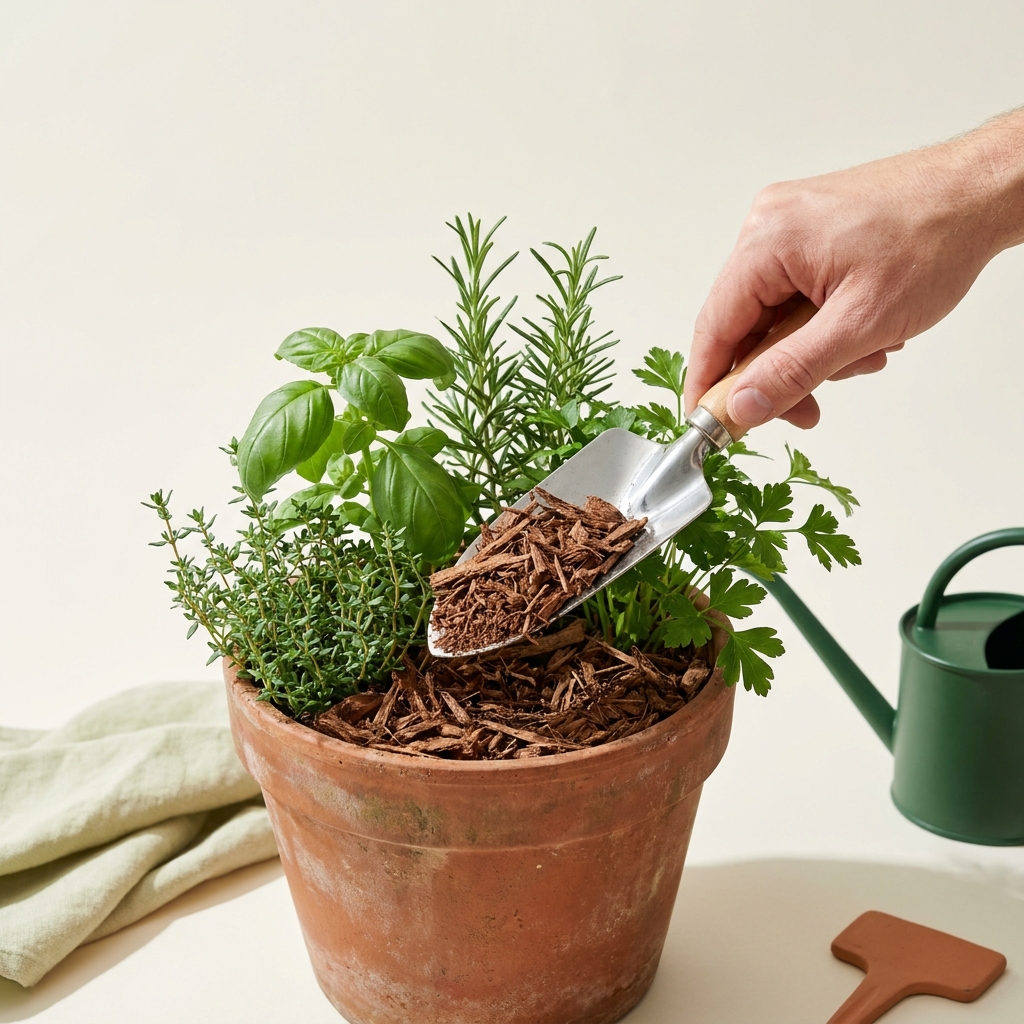
Which mulches to use and how to top-dress container soil
Good choices for pots include:
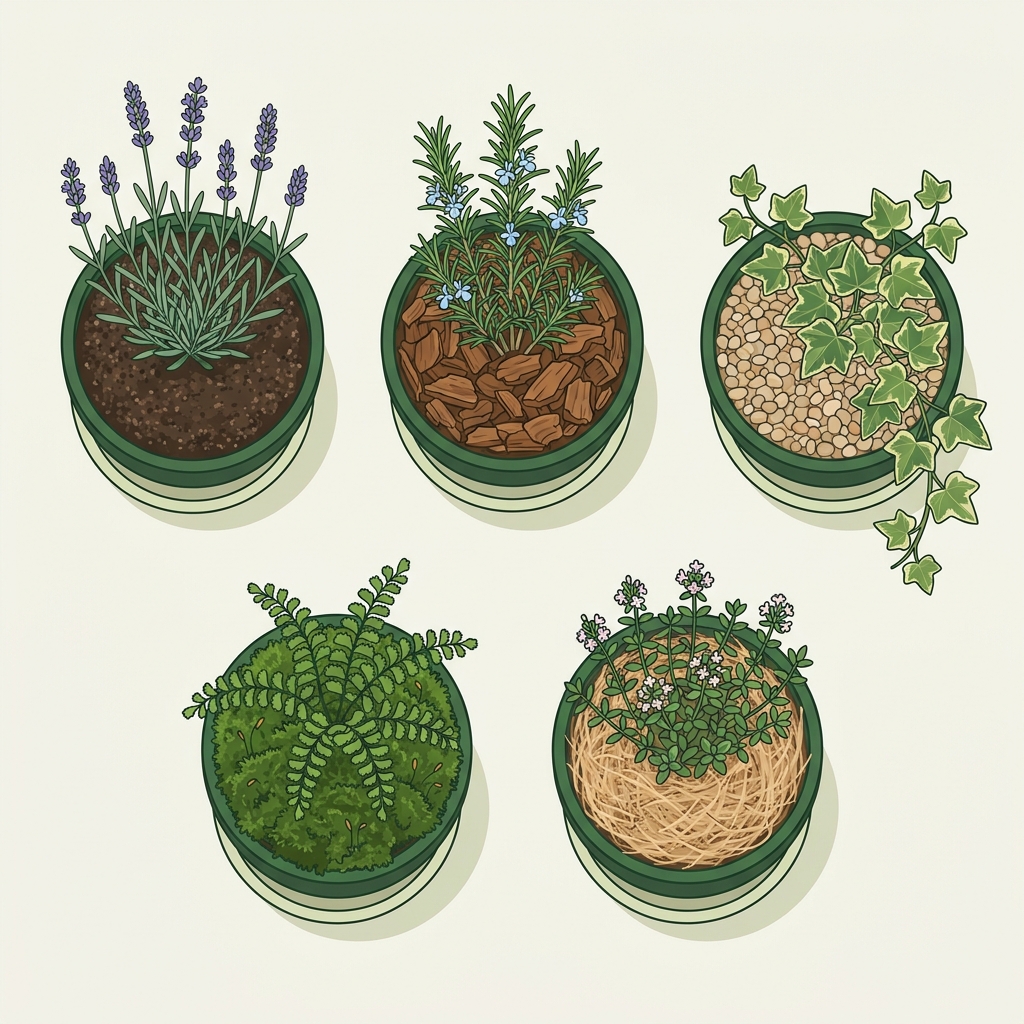
- Decorative pebbles, marbles, clay balls or moss for a neat, reusable surface that also limits splash and holds some moisture (https://www.gardengatemagazine.com/articles/how-to/plant/type-of-mulch/).
- Light, open organic mulches like straw or hay, or fine materials such as sugarcane mulch in thinner layers; all reduce water loss and can add small amounts of nutrients as they decompose (https://www.organicgardener.com.au/mulching-pots/).
- Stones or gravel where you want a drier, fast-draining surface; these don’t add nutrients but can help keep soil cooler or warmer depending on color (https://www.organicgardener.com.au/mulching-pots/).
How to top-dress a pot:
- Water first so the potting mix is evenly moist (https://www.organicgardener.com.au/mulching-pots/).
- Clear debris and gently loosen any crusted surface.
- Spread an even layer of your chosen material on the surface only.
- Keep mulch off stems and the crown to avoid prolonged wetness there (https://www.chicagobotanic.org/plantinfo/smartgardener/all_about_mulch).
Top-dress a container in 10 minutes
How much mulch to use: depth, placement and timing
For containers, a modest, even layer is usually enough to do the job (https://www.gardengatemagazine.com/articles/how-to/plant/type-of-mulch/). Match depth to the material: open, airy mulches can be spread thicker and still admit water, while fine mulches must be thin so they don’t compact into an impenetrable layer (https://www.organicgardener.com.au/mulching-pots/). Organic Gardener notes that open hay and straw can be applied much thicker than fine sugarcane mulch, which should be kept to a shallow layer to avoid compaction (https://www.organicgardener.com.au/mulching-pots/).
Always keep mulch pulled back from stems and crowns; piling it tight against plant bases encourages rot and disease in that zone (https://www.chicagobotanic.org/plantinfo/smartgardener/all_about_mulch). Refresh when the layer thins or breaks down and no longer shades the surface (https://www.organicgardener.com.au/mulching-pots/).
When to adapt or skip mulch
Plants that prefer a fast-drying surface, including many drought-adapted or native species, often suit a thinner organic layer, a mineral top-dressing (stones or gravel), or no mulch at all. Research cited by Organic Gardener observed improved rooting for many natives under stone or gravel mulches in a botanic garden setting (https://www.organicgardener.com.au/mulching-pots/). If you trial mulch on these plants, start light and monitor how quickly the surface dries between waterings.
Common mistakes and quick fixes
- Mulch touching stems or crowns. Fix: pull it back to leave a dry collar; this reduces disease risk at the base (https://www.chicagobotanic.org/plantinfo/smartgardener/all_about_mulch).
- Fine mulch applied too thick. Fix: thin or replace; overly thick fine mulch can compact and repel water (https://www.organicgardener.com.au/mulching-pots/).
- Expecting stones or gravel to feed plants. Fix: pair mineral mulches with a separate nutrition plan; stones regulate surface conditions but don’t add nutrients (https://www.organicgardener.com.au/mulching-pots/).
If a pot stays soggy after mulching, remove or thin the layer and reassess drainage and watering habits. For moisture- and pest-management tips, see how we keep fungus gnats in check in containers: How to keep fungus gnats out of potted plants? A practical 30-day plan. If cooler weather is arriving, adjust your routine here: How often should you water potted plants in autumn?
FAQ
Will a mulch layer stop soil splashing when I water?
Yes. A light top-dressing helps keep potting mix from splashing onto foliage or over the rim during watering (https://www.gardengatemagazine.com/articles/how-to/plant/type-of-mulch/).
Can I mulch right after potting up?
Yes, but water the potting mix first so it is evenly moist before you apply mulch, and keep mulch away from stems and crowns (https://www.organicgardener.com.au/mulching-pots/; https://www.chicagobotanic.org/plantinfo/smartgardener/all_about_mulch).

Related guides
Product options for this topic
As an Amazon Associate I earn from qualifying purchases. These are researched options, not hands-on test results. Check the exact size or model, current price and availability on Amazon.
| Product option | Fit and limits to check | Retailer |
|---|---|---|
| Product imageFiskars Ergo garden trowel | A hand-trowel option for planting and potting. Compare the scoop with your container opening and choose a grip that works comfortably for you. | View on Amazon |
| Product imageXLUX long-probe soil moisture meter | A probe to supplement checks of potting-mix moisture. Readings vary with mix and placement; combine them with pot weight and a finger check. | View on Amazon |