
The journal
How to keep fungus gnats out of potted plants? A practical 30-day plan
how to prevent fungus gnats in potting soil with a practical 30-day plan using watering changes, sticky traps and biological larval controls.
What fungus gnats are and why they appear in potting soil
What fungus gnats look like and their life cycle, how to prevent fungus gnats in potting soil
Fungus gnats are small flies in the family Sciaridae whose adults are short lived and whose larvae develop in the potting mix. The adults are mostly a nuisance; the larvae feed in wet, organic rich media and can injure fine roots when numbers grow, which is why prevention focuses on the growing medium and moisture management UC IPM pest notes.
Adults are delicate, mosquito like flies a few millimeters long that hover near pots and on window sills. The life cycle can complete within a few weeks indoors, with eggs laid in moist media and larvae feeding near the surface before pupating and emerging as adults. Monitoring adults gives a useful signal about breeding activity below the surface.
How can I stop fungus gnats from breeding in my houseplant potting soil?
Change watering so the top inch of soil dries between waterings, use a sterile, well draining potting mix, monitor with yellow sticky traps, and use biological larval controls like Bti or Steinernema feltiae if larvae are present; repot if infestations persist.
Larvae live in the potting mix and prefer consistently damp, organic rich pockets where eggs and larvae survive; this is why mixes with poor drainage or added uncomposted amendments are more attractive to them University of Minnesota Extension.
When larvae are abundant they can reduce root function and cause subtle wilting or slow growth, though most damage is minor unless populations are high. For most home gardeners the visible annoyance of adults and the risk to young or sensitive plants are the main concerns, and a short integrated plan can break the cycle.
A 30-day integrated plan to prevent fungus gnats in potting soil
This 30-day plan focuses on timing, monitoring and targeted biological steps that align to the fungus gnat life cycle. It aims to break the cycle by drying the top layer of potting mix, catching or reducing adults, and treating larvae when needed.
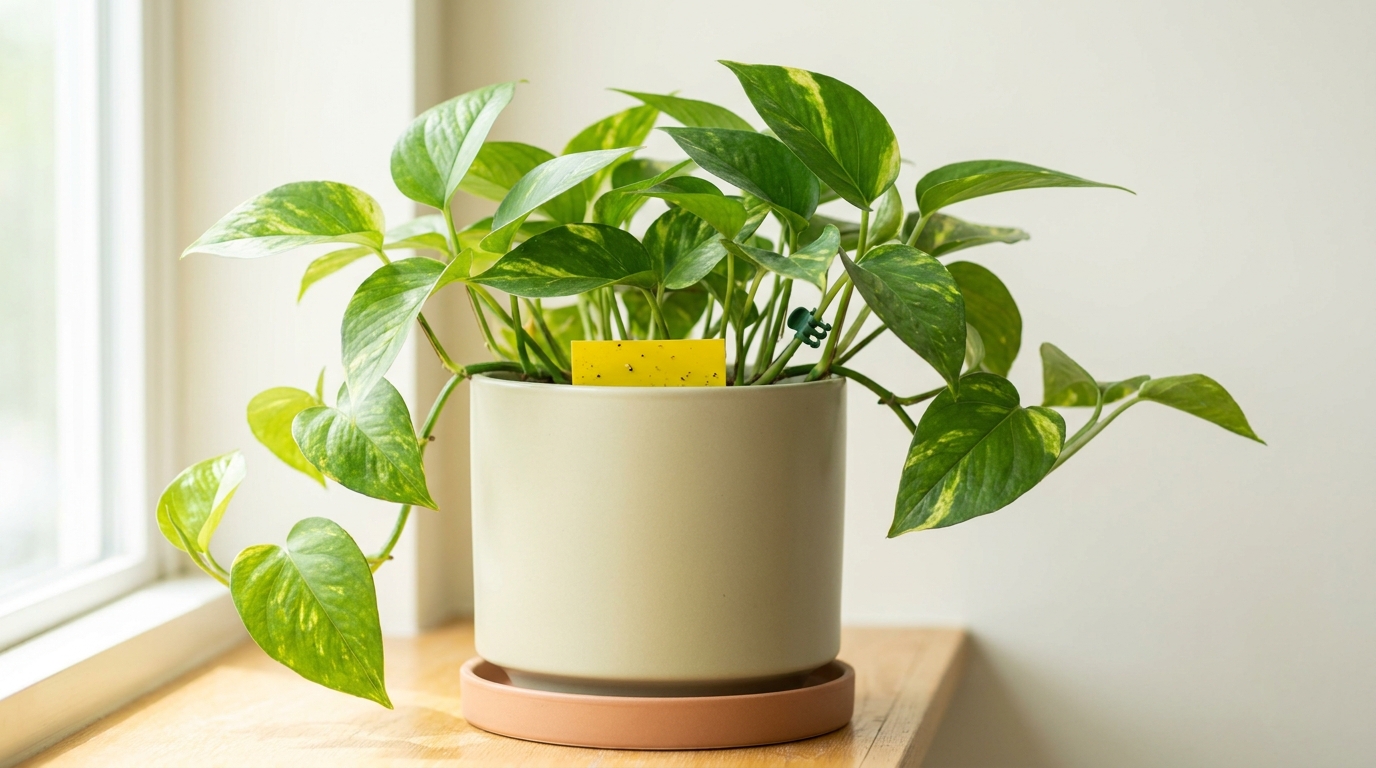
Start by confirming that you are dealing with fungus gnats and not another fly, and place one or two yellow sticky traps near affected plants to count adults weekly. Sticky traps help you see whether adult numbers fall as you change how you water and treat the soil NC State Extension on fungus gnat monitoring.
Week 1 goal: reduce wet pockets, begin monitoring, and adjust watering so the top inch of soil can dry between waterings. Use a well draining, sterile potting mix and remove standing water in saucers; avoid adding fresh compost to houseplant containers during this period.
Week 2 goal: continue dry down routine and check sticky traps. If you still catch adults regularly and see signs of larvae in the media, plan a biological larval treatment at the end of week 2 or start of week 3 timed to the insect life cycle. Biologicals commonly used in containers include Bacillus thuringiensis var. israelensis (Bti) drenches and the nematode Steinernema feltiae, which are documented for larval suppression in container and greenhouse contexts UC IPM pest notes.
Week 3 goal: apply the chosen larval control if larvae were observed or adult counts remain high, then keep monitoring traps and allow the top soil to dry between waterings. Repeat biological applications if the product label recommends follow up, and time reapplication to overlap with the gnat life cycle in indoor conditions.
Week 4 goal: review trap counts and plant roots for improvement. If adult numbers are low and plants look healthy, continue the cultural changes as long term habit. If adults remain numerous or plants show root decline, plan repotting into fresh, sterile, well draining media as a next step Colorado State University Extension on fungus gnats.

How to choose between cultural, biological, and repotting options
Use monitoring data and quick inspections to choose the least disruptive option first. Low adult counts on sticky traps and no visible root symptoms suggest that improved watering and sanitation can be enough. Persistent adult catches and evidence of larvae in the top media indicate it is time to add a biological larval control University of Minnesota Extension.
where to place yellow sticky traps to monitor fungus gnats
Bti soil drenches and Steinernema feltiae nematodes both target larvae but work differently; Bti is a bacterial larvicide applied as a soil drench while Steinernema are living nematodes that infect larvae. Both are documented options for containers and greenhouse settings and widely recommended as larval suppression tactics Royal Horticultural Society on options.
Repotting into fresh sterile mix is the most direct route for severe or recurring infestations because it removes the media that hosts eggs and larvae. Reserve repotting for cases where monitoring and biological controls do not reduce adult counts or when media is heavily infested; when you repot, use a sterile, well draining potting mix and avoid uncomposted organic amendments to reduce reinfestation risk.
Common mistakes that lead to repeated fungus gnat problems and how to avoid them
Do not keep the top layer of potting mix constantly moist. Overwatering or using a routine schedule that ignores the plant and potting mix moisture is the most common cause of repeated problems. Change to a check then water approach so the top inch of soil dries before you water again University of Minnesota Extension.
A second common error is adding uncomposted garden compost or high organic soil amendments to houseplant mixes. These materials can provide food and habitat for larvae. Use a sterile, well draining indoor potting mix for container plants and avoid fresh compost or manure in houseplant containers Colorado State University Extension.
Ignoring monitoring and sanitation lets small infestations grow. Empty saucers, remove fallen leaves, and refresh the surface media of heavily used containers; clean tools and pots before reuse to reduce accidental spread of eggs and larvae UC IPM pest notes.
Practical how-to examples and scenarios you can follow
New plant arriving home: prevention checklist
1) Inspect the supplier pot and the surface of the soil for signs of adult flies or fungus gnats before you bring the plant indoors. 2) If soil looks compacted or heavy, repot into a sterile, well draining mix and add drainage material if the pot lacks holes. 3) Place a yellow sticky trap near the new plant and check it weekly in the first month to catch any adults early.
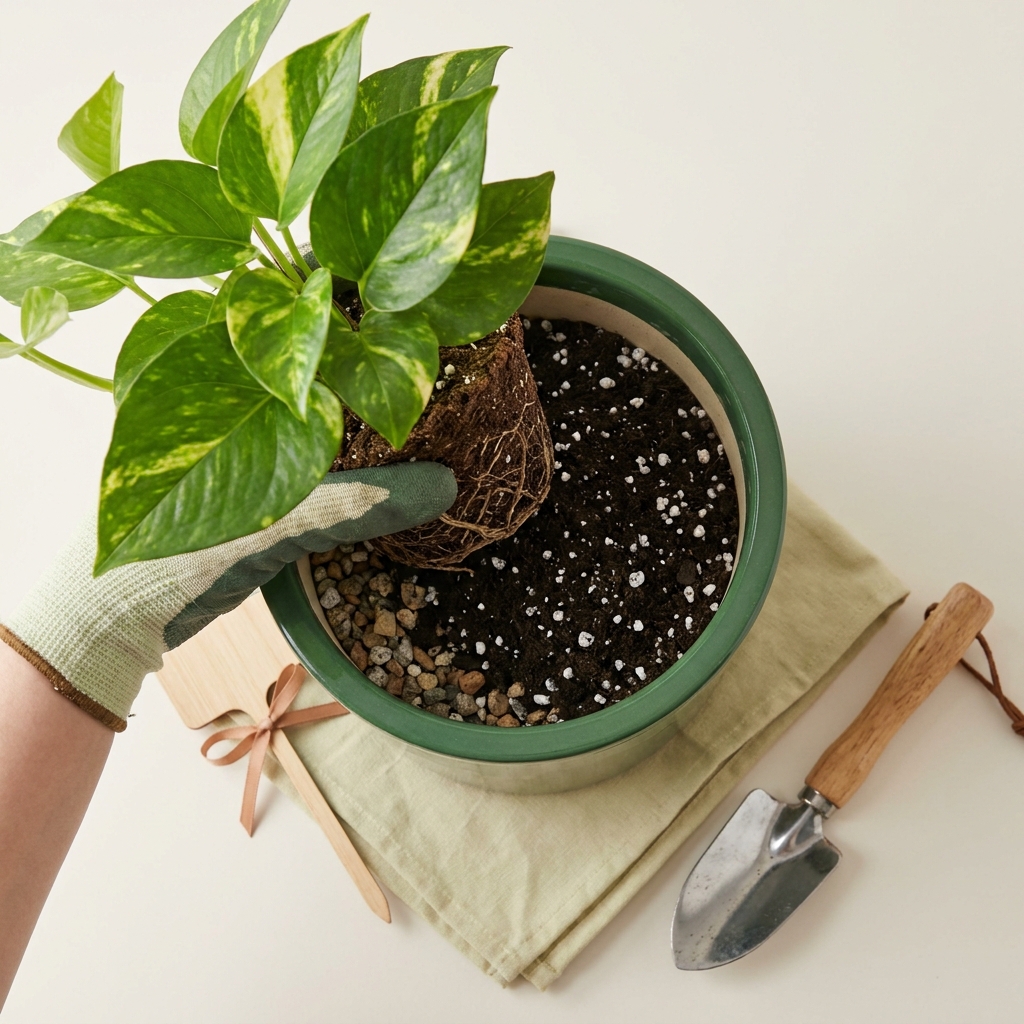
Use a conservative watering routine for the first month as the plant adjusts, allowing the top inch of soil to dry between waterings and avoiding standing water in trays.
Mild infestation: monitoring plus Bti or traps
If you detect adults on traps but roots look healthy, start with sticky traps, a strict dry down of the top media and one timed biological treatment. Apply a Bti soil drench or follow label directions for Steinernema feltiae if larvae are observed; these treatments target larvae in the media while traps reduce adults and help measure progress UC IPM on biological larval controls.
Time the first biological application when you still have adults on traps after two weeks of dry down; repeat as directed to overlap with the insect life cycle and reduce the next generation.
Severe infestation: repotting step by step
1) Prepare fresh sterile, well draining potting mix and a clean pot with adequate drainage. 2) Gently remove the plant, shake off as much old media as possible, and inspect roots for rot or larval tunnels. 3) Trim damaged roots with sanitized tools. 4) Repot with new media, water lightly to settle the mix, then adopt the dry down watering routine and set sticky traps for monitoring.
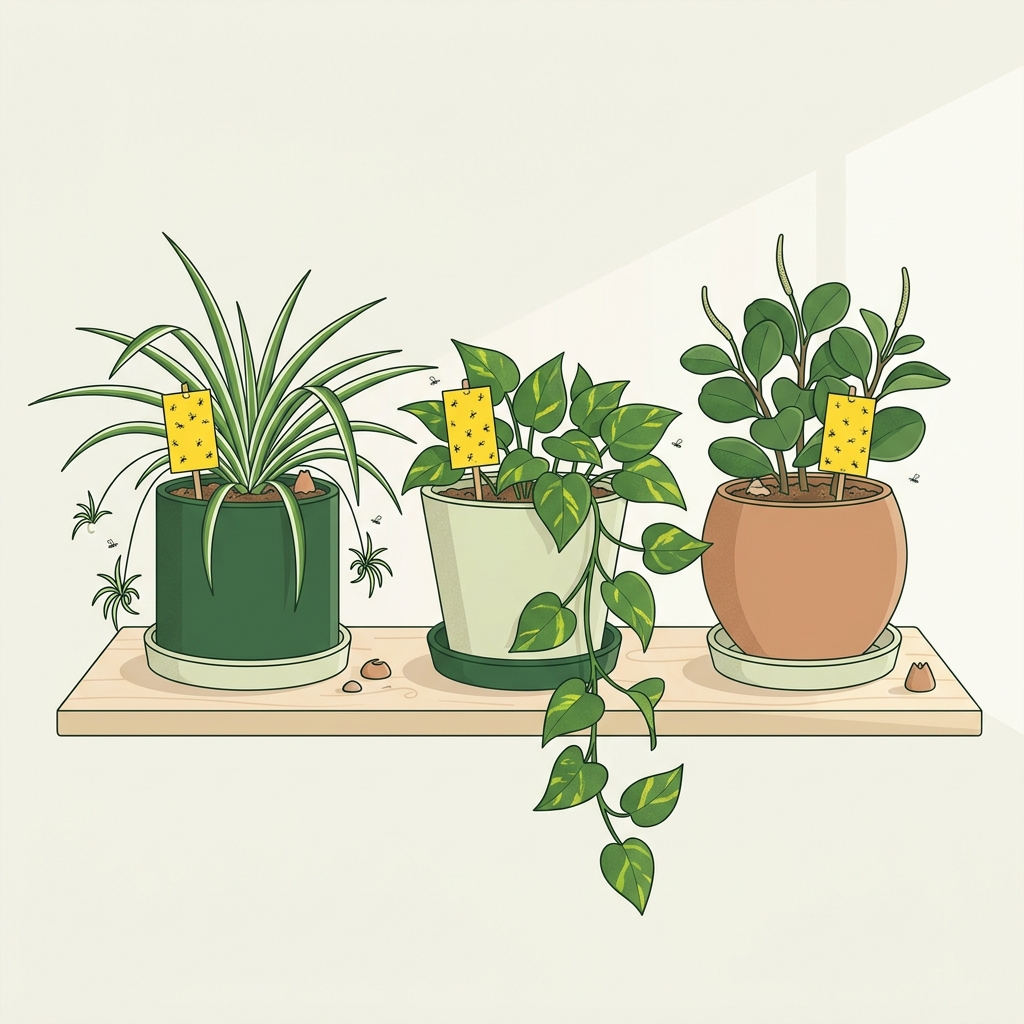
Repotting reduces the immediate larval population by removing infested soil. After repotting continue to monitor and only reintroduce amendments that are fully composted and known to be free of pests.
Summary checklist and long term habits to keep fungus gnats out
Weekly checklist: check the top inch of soil before watering, remove standing water, inspect and empty saucers, and check sticky traps for adult counts. Adjust watering to let the top layer dry between waterings and keep traps in place until adult captures fall consistently UC IPM checklist.
Monthly checklist: refresh the top 1 to 2 inches of surface media if it looks compacted or richly organic, and review plants for slow growth or subtle wilting that could indicate root feeding. If adults increase, return to the 30 day integrated plan and consider biological larval treatments before repotting University of Minnesota Extension.
Early warning signs include a rising number of adults on sticky traps, persistent damp pockets in pots, and wilting that does not respond to normal watering. Quick fixes are to stop watering, remove damp media from the surface, and deploy traps and biological options as needed.
For persistent or unusual outbreaks consult your local extension office for tailored advice and regional recommendations. Extension publications provide locally relevant steps and diagnostic help when standard measures do not solve the problem Colorado State University Extension.
Frequently asked questions
How quickly will a 30-day plan stop fungus gnats?
If you follow the watering, monitoring and biological timing, many household infestations decline within one life cycle cycle, but severe cases may need repotting or repeat treatments.
Are insect sprays effective for fungus gnats in pots?
For home interiors conventional sprays are usually less effective on larvae; cultural changes and biological larval controls are preferred.
Can I prevent fungus gnats by always keeping soil dry?
Keeping the top inch of soil allowed to dry between waterings reduces breeding but you must balance this with each plant's water needs; avoid prolonged drought for sensitive species.
Keeping fungus gnats out of potted plants is usually a matter of steady habits: adjust watering, use a well draining sterile mix, monitor with sticky traps, and add biological larval controls when needed. Use the 30 day timeline as a routine you can repeat whenever you bring new plants home or notice adults on traps. If a problem persists despite following these steps, contact your local extension service for diagnosis and regional recommendations tailored to your plants and growing conditions.
References
- https://ipm.ucanr.edu/PMG/PESTNOTES/pn7448.html
- https://extension.umn.edu/nuisance-insects/fungus-gnats
- https://ipm.ucanr.edu/home-and-landscape/fungus-gnats/
- https://gardeninreach.com/guides/potting-mix-and-plant-care/
- https://extension.colostate.edu/topic-areas/insects/fungus-gnats-as-houseplant-and-indoor-pests-5-584/
- https://gardeninreach.com/guides/plant-pots-and-containers/
- https://www.rhs.org.uk/biodiversity/fungus-gnats
- https://gardeninreach.com/guides/container-watering/
- https://garden.org/thread/view/167207/The-Definitive-Guide-to-Fungus-Gnats/
- https://www.newswire.com/news/kill-fungus-gnats-on-houseplants-with-bti-21341394
Product options for this topic
As an Amazon Associate I earn from qualifying purchases. These are researched options, not hands-on test results. Check the exact size or model, current price and availability on Amazon.
| Product option | Fit and limits to check | Retailer |
|---|---|---|
| XLUX long-probe soil moisture meter | A probe to supplement checks of potting-mix moisture. Readings vary with mix and placement; combine them with pot weight and a finger check. | View on Amazon |
| Corona ComfortGEL hand cultivator | A hand cultivator for loosening surface soil in small spaces. Work around roots gently and match the tool to your soil conditions. | View on Amazon |