
The journal
Should you rotate plants in a window?
Practical, evidence-backed advice on when and how to rotate window plants for balanced growth, and when to skip it.
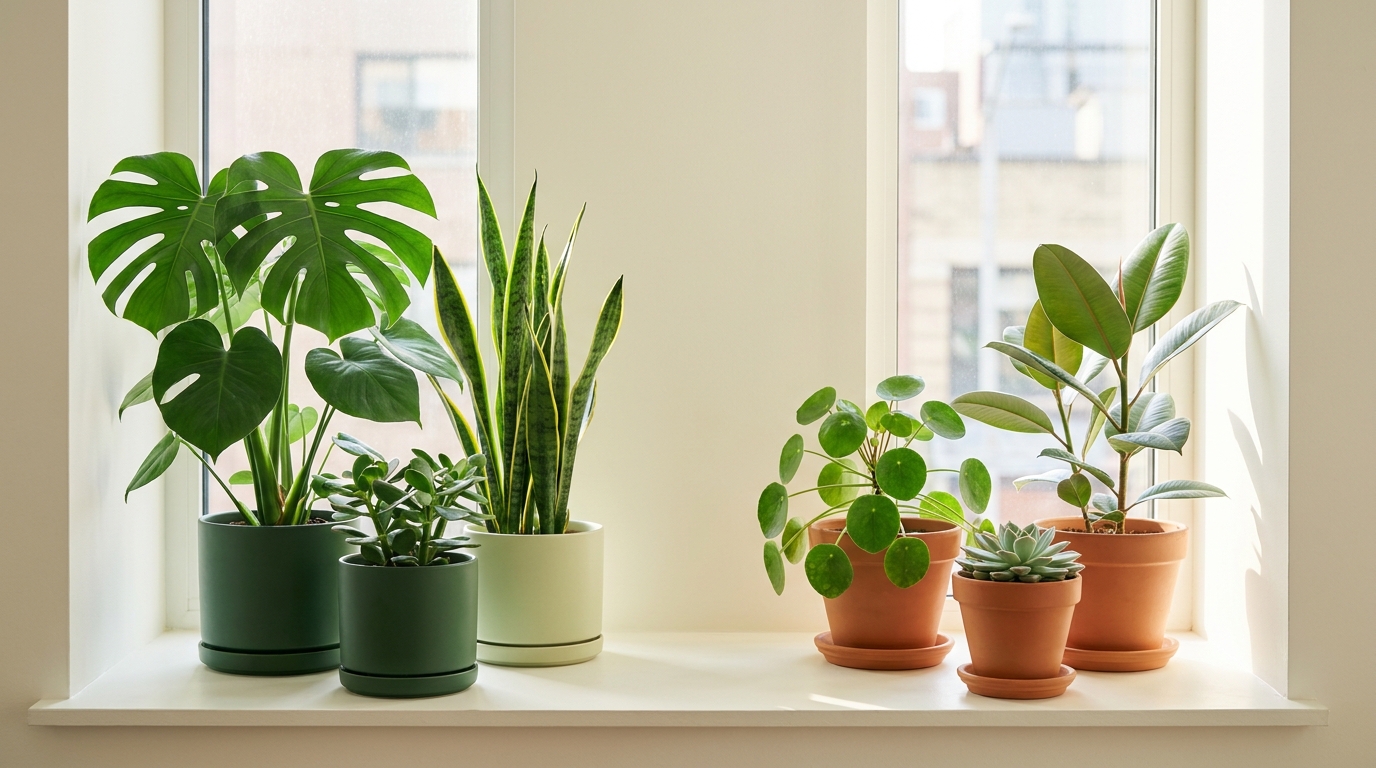
Short answer: yes, rotating a plant that gets light from one side can help it grow more evenly, but it’s optional and mainly for looks. Many indoor growers use rotation to reduce leaning and lopsided foliage, while others prefer to let plants keep a natural lean. Do it if you want a balanced shape; skip it if you like the plant’s natural asymmetry (House Digest) (Earthborn Design).
What “rotating” means (and what it doesn’t)
Rotating a plant means turning the pot so a different side faces the same window. It does not mean moving the plant to a new location with different light. Rotation redistributes the window’s light around the plant to improve symmetry; it doesn’t increase total light.
When rotation helps
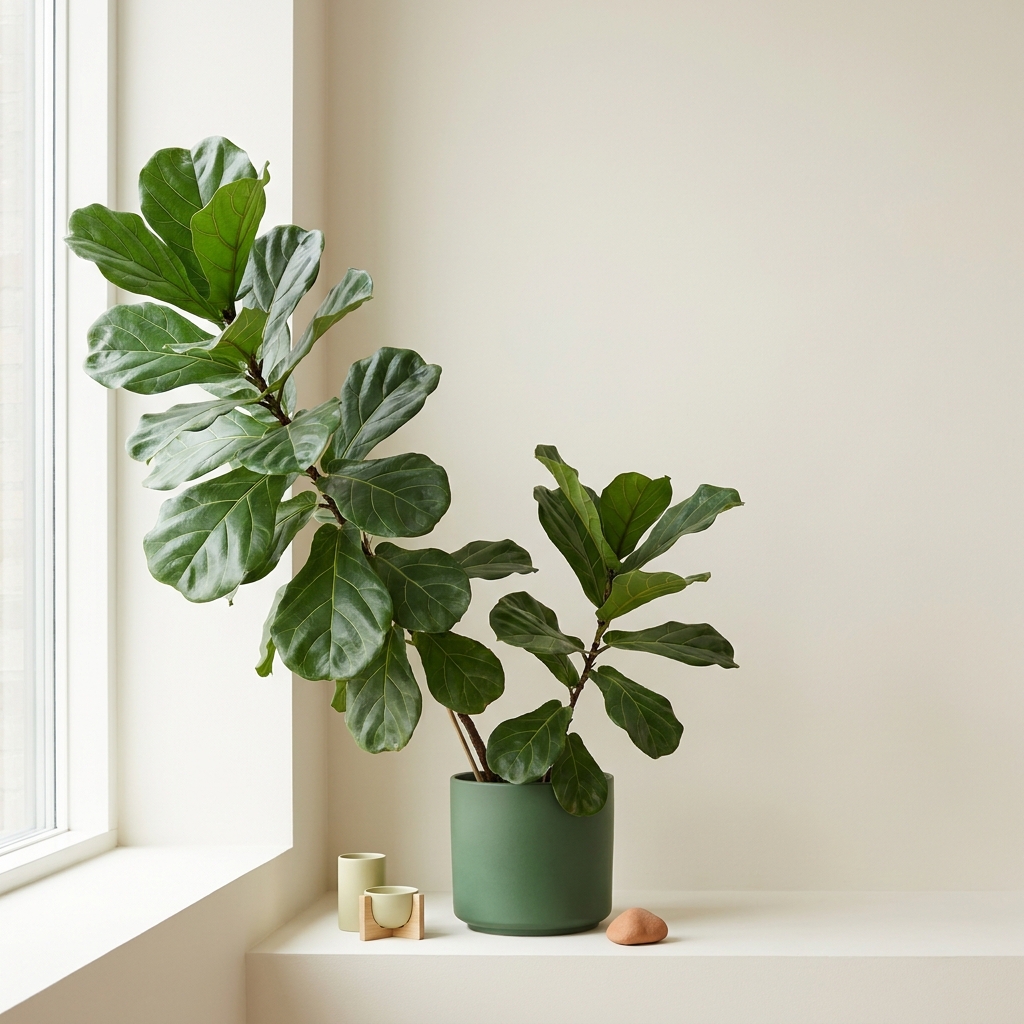
Indoor plants often receive light from just one direction, which can cause phototropism: noticeable leaning or uneven growth toward that window. Turning the pot periodically helps even out growth on all sides (House Digest).
- Stems leaning toward the window
- Denser foliage on the window side, sparse on the back
- Uneven, “lopsided” appearance
How to rotate without fuss
- Use small, consistent turns. A common routine is a quarter turn at each watering, which keeps things simple (House Digest) (Endless Garden Supply).
- Match frequency to light. In bright spots, you may only need to rotate every few months; in moderate to lower light, adjustments every few weeks to monthly can help (Endless Garden Supply).
- Avoid big flips. Skip abrupt 180-degree turns; steadier, smaller adjustments are easier for the plant to adapt to.
Rotation has limits: fix the light first
Rotation won’t solve insufficient light. If a plant is stretching or thinning, improve the overall light or move the pot to a brighter spot. House Digest also notes simple fixes that can help both sides get adequate light: regularly dust leaves so they can capture light better, and consider supplementing with a light aimed at the shaded side if needed (House Digest).
Some growers point out that plants don’t rotate in nature and that asymmetry is normal; embracing a natural lean is a valid choice, especially for climbers and plants grown with a clear “front” and “back” (Earthborn Design).
Extra upsides when you do rotate
Growers who favor rotation note practical side benefits: turning exposes all sides to light and airflow, and rotation time is convenient for quick inspections for dust, pests, or stress. This routine can support fuller, balanced growth and early problem-spotting (Endless Garden Supply).
Common mistakes to avoid
- Rotating on a rigid schedule when the plant looks balanced. Rotate reactively if you prefer: only turn when you see leaning or lopsided growth (House Digest).
- Expecting rotation to fix low light. If growth is weak or leggy, improve light or location before worrying about symmetry (House Digest).
- Big, infrequent flips. Gentle, smaller turns tend to produce steadier results.
Set-and-forget rotation routine
Quick scenarios
- Compact plant on a bright sill: likely needs infrequent rotation; check monthly and turn only if you notice a lean (Endless Garden Supply).
- Taller plant side-lit by a single window: benefits from periodic quarter turns to prevent a lopsided canopy (House Digest).
- Natural-look display with a defined “front”: you may choose not to rotate and simply position the plant so its best side faces the room (Earthborn Design).
Related reading from Garden in Reach: tidy up watering habits as seasons change How often should you water potted plants in autumn?, and use your rotation check to spot and prevent pests early How to keep fungus gnats out of potted plants.
FAQ
How often should I rotate a window plant?
There’s no single schedule. A practical rule is a quarter turn when you water, or every few weeks; in bright spots you may rotate only every few months (House Digest) (Endless Garden Supply).
Is rotation necessary for plant health?
No. It’s mainly for even, symmetrical appearance. Many growers are happy to let plants lean naturally toward the window (Earthborn Design).
Rule of thumb: rotate gradually to reduce leaning when light comes from one side, improve the light itself if growth is weak, and skip rotation if you like a natural lean.

Related guides
Related guide from Cat Nibbles
If a cat can reach that window, check plant suitability separately with Safest houseplants for cats: a simple shopping and placement guide.