
The journal
Do planter pots need drainage holes?
Most plants grow best in containers with drainage holes. Learn when holes are essential, safe cachepot routines, and how to manage holeless planters with careful watering.
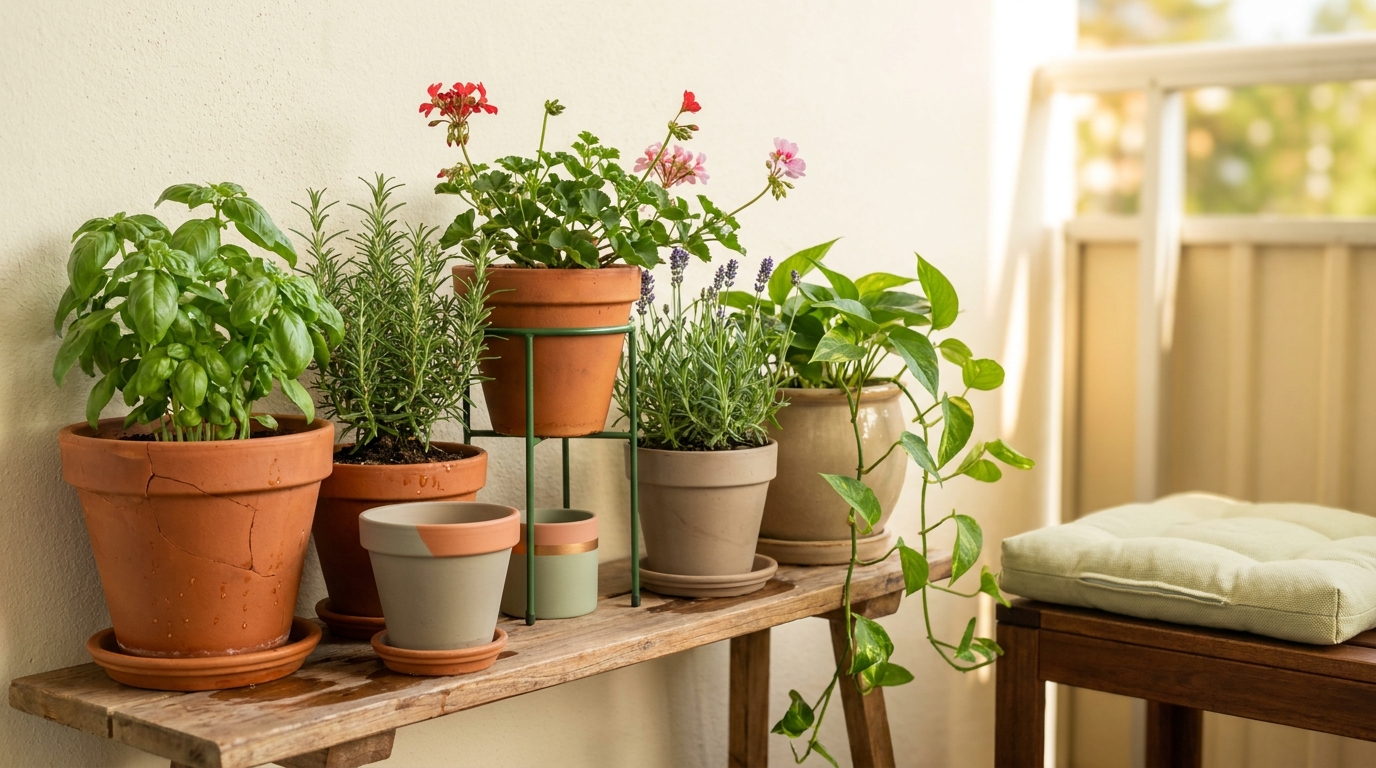
Yes. For almost all plants, planter pots should have drainage holes. A hole at the bottom is critical because it lets water drain freely so air can reach the roots; few plants tolerate sitting in stagnant water Illinois Extension.
When a hole matters most
Drainage is especially important where containers can stay wet for long stretches, such as outdoor pots exposed to rain or indoor containers with saucers that aren’t emptied. Prolonged saturation favors root rot and plants rarely recover from it Illinois Extension.
Why drainage holes help
- They prevent waterlogged soil so roots have access to oxygen, reducing the risk of rot and decline Illinois Extension.
- They make routine watering simpler and safer, because excess water can leave the pot rather than pooling at the bottom Illinois Extension.
Safe workaround: use a cachepot (double potting)
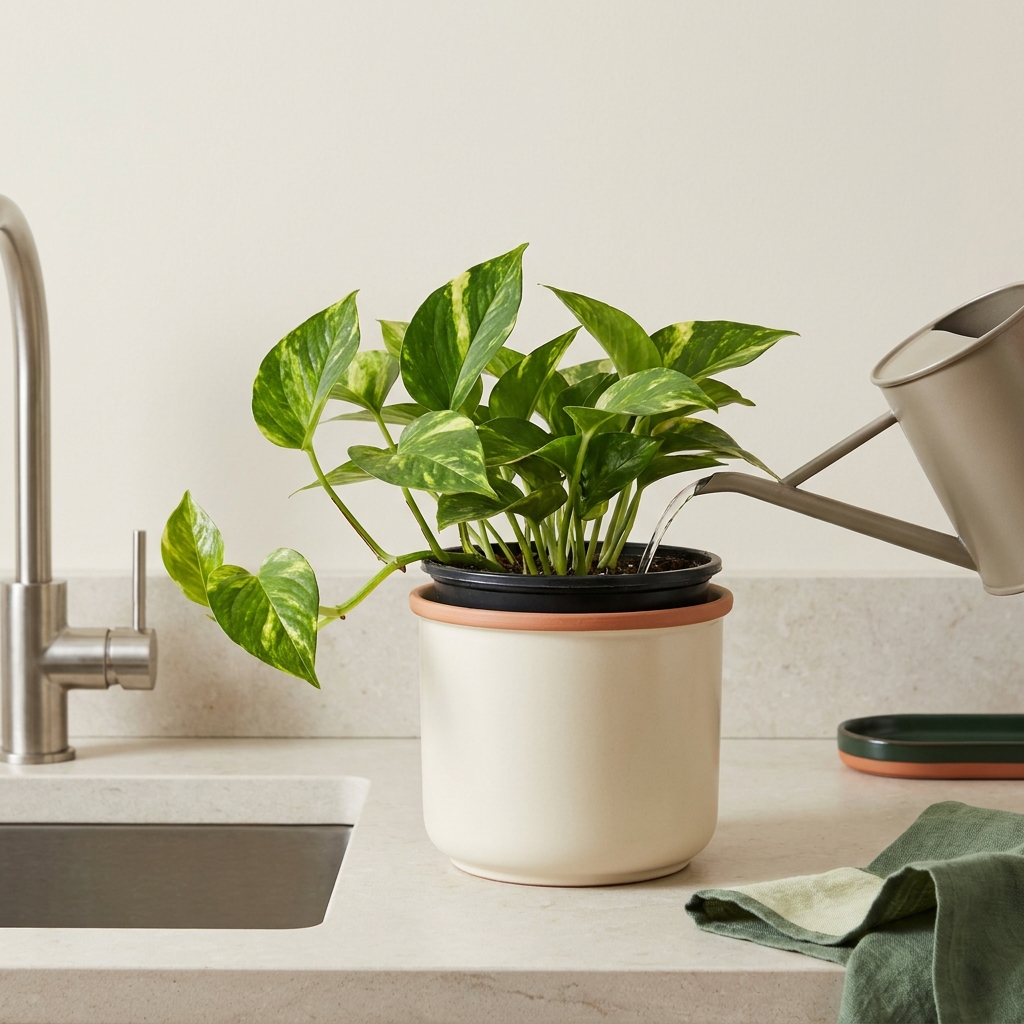
If you love a decorative vessel that has no hole, keep the plant in a separate inner pot with drainage and slip it inside the outer container. Remove the inner pot to water, let it drain completely, and make sure no water remains pooled in the outer pot before you return it. This “double potting” preserves looks while protecting roots from standing water Illinois Extension.
If you must plant directly into a pot without a hole
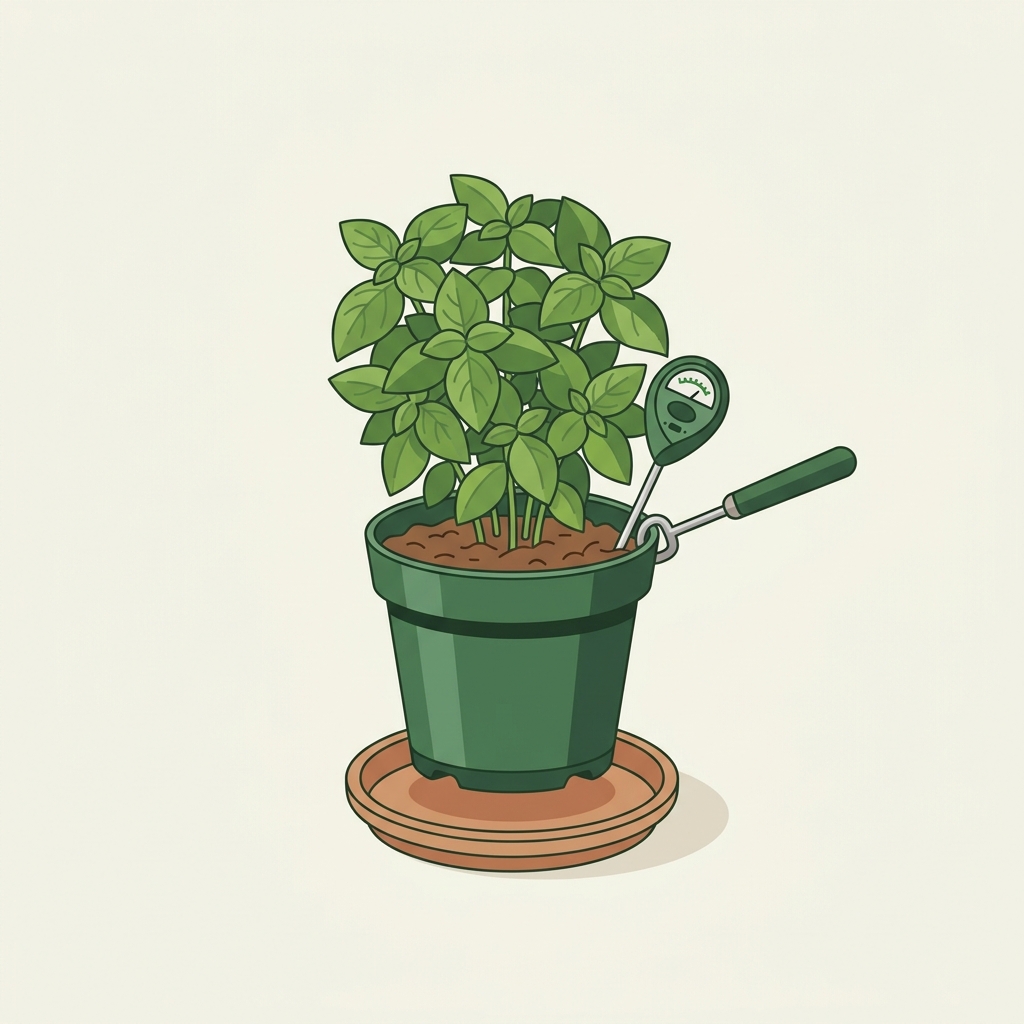
This approach is higher risk and requires careful, sparing watering. Use a well-draining potting mix and check moisture near the root zone before you add any water. Touch the top 2 inches of soil and use a probe to feel deeper levels so you don’t water on top of hidden moisture Greenery Unlimited. If you accidentally add too much water, take the container to a sink and tip it carefully on its side to let excess water escape Illinois Extension.
Skip the gravel myth: do not add a layer of rocks or similar material inside the bottom of the pot expecting better drainage. Water tends to “perch” in the soil just above that layer, keeping roots wetter, not drier Illinois Extension.
Quick checks for pots without drainage holes
Choosing containers and special cases
- Prefer planters with working drainage holes for the lowest risk and easiest care Illinois Extension.
- Self-watering planters are a designed exception: they keep soil above a separate reservoir and deliver water by wicking. They still require correct setup and monitoring, and plants that like to dry out (such as many succulents and cacti) are not usually good candidates Illinois Extension.
- If a pot has no hole and material allows, consider making one; some plastic or resin planters even have pre-punched spots to open easily Illinois Extension.
Related reading on Garden in Reach: choosing practical pot depths for herbs Do herbs like deep or shallow pots? and seasonal watering habits How often should you water potted plants in autumn?
Short FAQ
Can I add drainage holes to a closed pot?
If the pot doesn’t come with a hole, the recommended approach is to make one when possible. Some decorative resin or plastic pots have pre-punched holes; otherwise, drilling is an option depending on material. If you cannot add a hole, use an inner pot with drainage and empty any collected water from the outer container Illinois Extension.
Is a saucer enough for drainage?
No. A saucer only catches runoff; it doesn’t replace a drainage hole. Empty saucers so soil can dry somewhat, and avoid permanently attached saucers that trap water around roots Illinois Extension.
Are any plants OK in pots without drainage?
Aquatic and shoreline plants tolerate or prefer very wet conditions. For typical houseplants and edibles, drainage holes are the safer choice Illinois Extension.

Related guides
Related guide from Cat Nibbles
For indoor containers in a home with cats, choose the plant itself with care. See Safest houseplants for cats: a simple shopping and placement guide.
Product options for this topic
As an Amazon Associate I earn from qualifying purchases. These are researched options, not hands-on test results. Check the exact size or model, current price and availability on Amazon.
| Product option | Fit and limits to check | Retailer |
|---|---|---|
| Product imageXLUX long-probe soil moisture meter | A probe to supplement checks of potting-mix moisture. Readings vary with mix and placement; combine them with pot weight and a finger check. | View on Amazon |