
The journal
Fix waterlogged soil in pots: quick rescue and better drainage with pot feet
Check drainage and standing water first, then assess the plant and root condition. Recovery depends on the cause and plant; root colour alone is not a diagnosis.
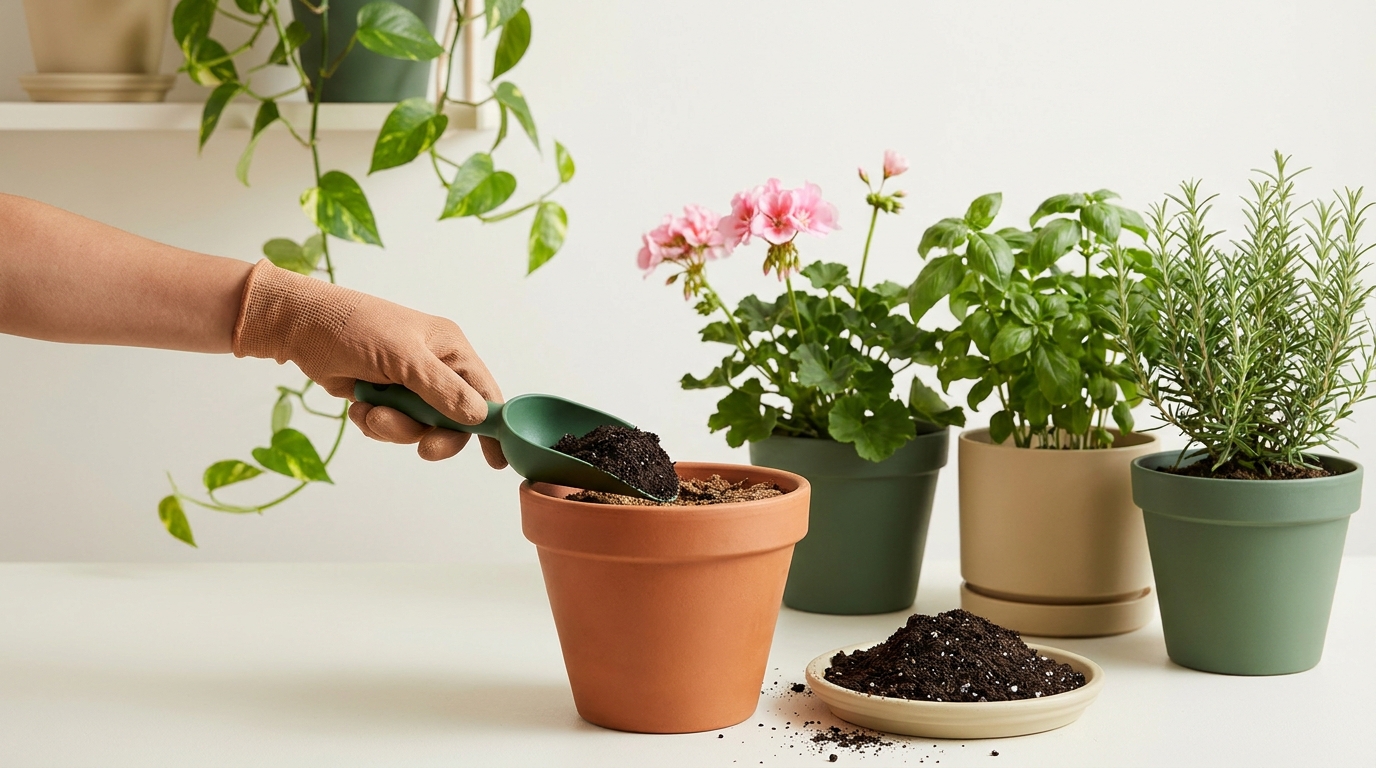
First, get the pot draining: lift it onto pot feet or bricks so the base holes are clear and remove any saucer or tray. This can remove an obstruction to drainage, but it does not establish whether the roots have already been damaged (RHS container growing). If the compost still stays sodden or the plant wilts and yellows, slide it from the pot to check roots. Dark, soft or foul-smelling roots can indicate damage. Assess the plant and root condition before choosing a plant-specific repotting treatment (RHS waterlogging and flooding).
What to do right now
- Raise and drain. Put the container on pot feet or a couple of bricks so the drainage holes aren’t blocked by the ground. Remove the saucer or tray so the pot isn’t sitting in water, especially in winter (RHS container growing).
- Clear the holes. Check that base holes aren’t clogged. If safe to do so, gently tilt the pot to help excess water escape.
- Move under cover. Keep the plant somewhere sheltered from further rain while the compost becomes just moist.
- Check the roots if decline continues. Slide the rootball out. Soft or decaying roots and a sour smell warrant closer assessment. Root colour alone is not a diagnosis. Seek plant-specific advice before cutting roots; use a suitable container mix if repotting is indicated (RHS waterlogging, RHS container growing).
- Water carefully after rescue. Once repotted and settled, water thoroughly, then let the top of the compost partially dry before the next watering. Containers generally need more frequent watering in warm months but are prone to waterlogging in winter, so adjust to the season (RHS container growing).
Prevent waterlogging next time
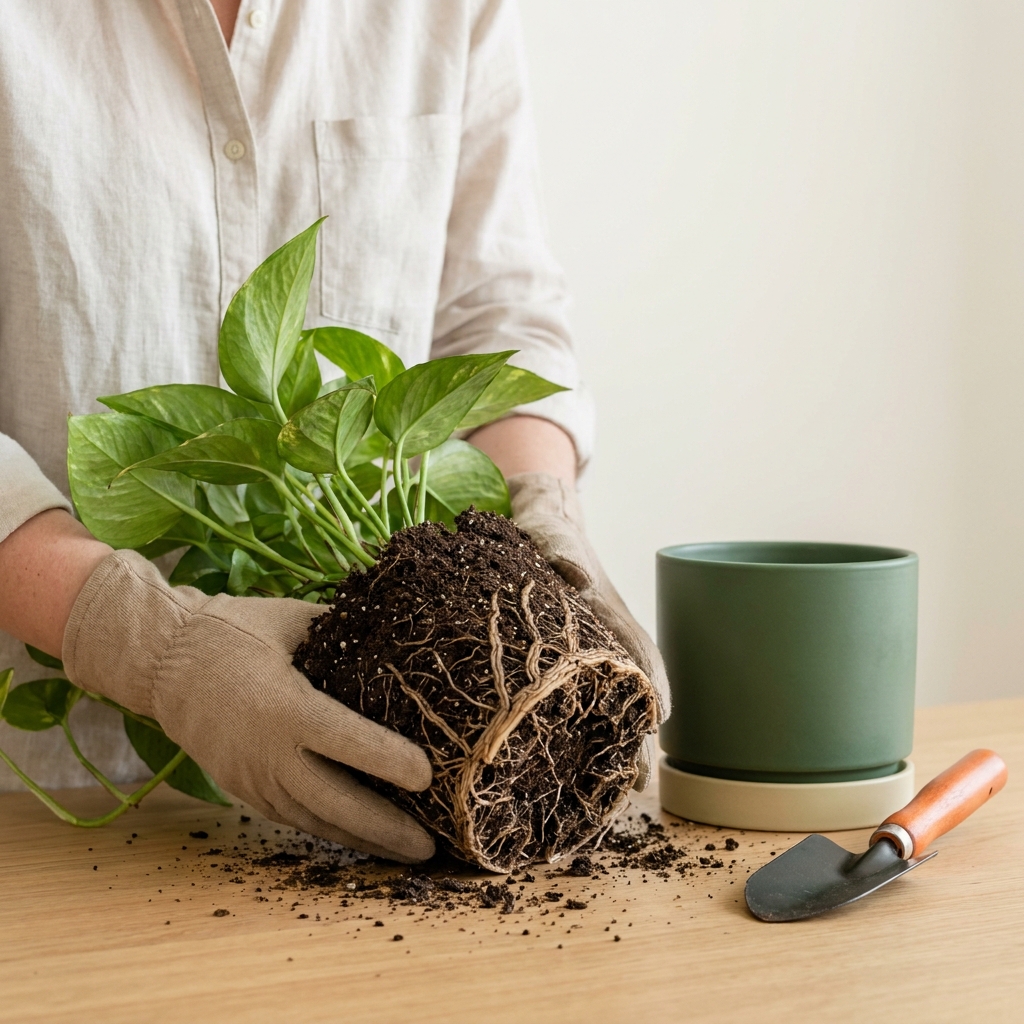
Use drainage holes and pot feet
- Always choose pots with base drainage holes. It’s essential for container health. If you’re unsure, see our guide: Do planter pots need drainage holes? and the RHS container guide.
- Keep holes clear by raising pots on feet or bricks, and remove saucers before winter so containers aren’t left standing in water (RHS container growing).
- In summer, a saucer can briefly catch excess water, but empty it and don’t leave roots submerged for long (RHS container growing).
Pick the right pot size and compost
- Avoid overpotting. Planting into a much larger container leaves a big volume of damp compost that can turn waterlogged and cause root rot. Choose a pot only slightly wider than the rootball (RHS container growing).
- Choose peat‑free compost suitable for your planting. Quality mixes often include coir, grit and loam for better structure and drainage. Soil‑based peat‑free composts suit long‑term plantings (RHS container growing).
Site and seasonal habits
- Expect wetter winters. Containers are prone to waterlogging in winter; check drainage and keep pots off the ground then (RHS container growing).
- Water to need. In hot spells, containers may need frequent watering; in cool, wet weather they may need little or none (RHS container growing).
How to tell if waterlogging harmed the plant
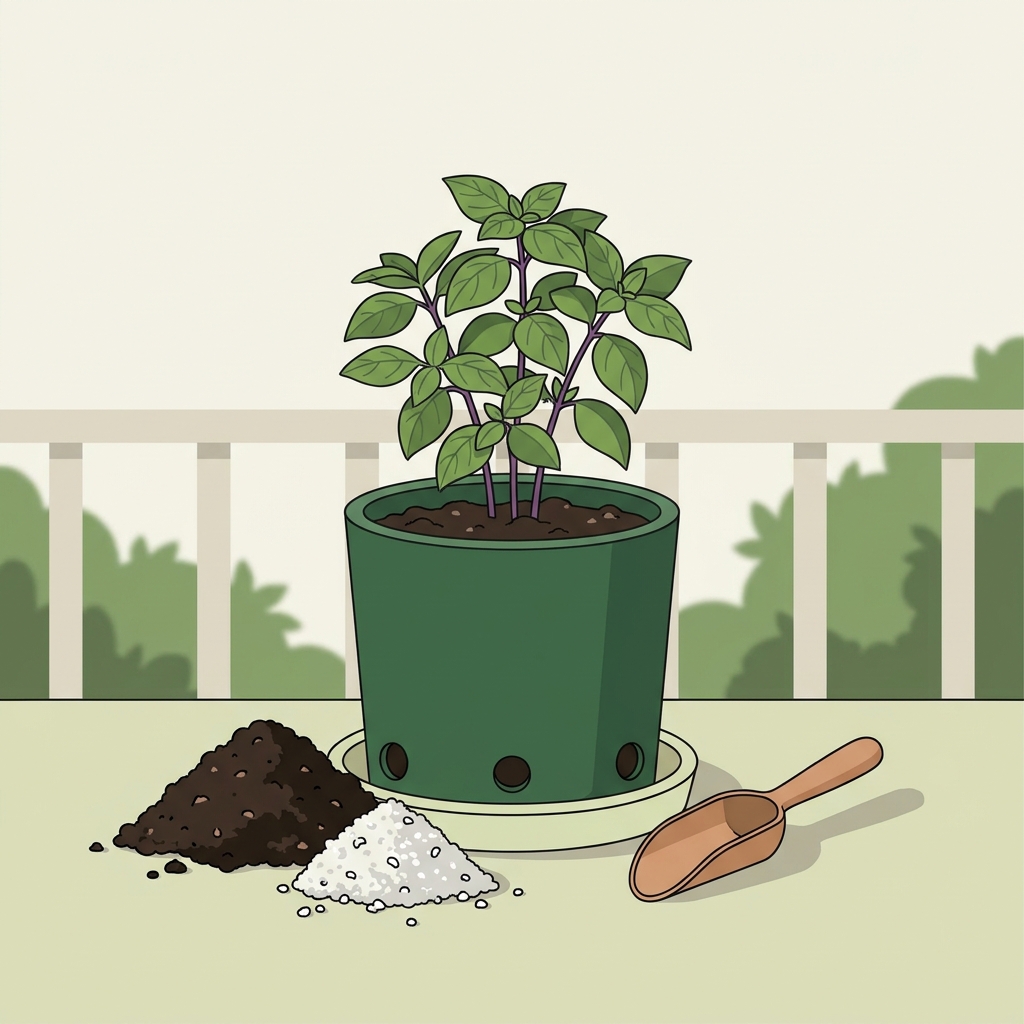
Symptoms can mimic drought because roots starved of oxygen can’t move water to shoots. Look for yellowing or browning between veins, wilting, dieback, and blackened roots with a sour smell when inspected. Severe cases may stunt or kill plants (RHS waterlogging).
When repotting or refreshing is worth it
- Repot if roots are rotting or the compost smells sour after draining. Use fresh peat‑free compost and a pot only slightly larger than the rootball (RHS waterlogging, RHS container growing).
- Routine refresh. Container plants generally benefit from repotting every few years to replace tired compost; you can also top up nutrients with slow‑release fertiliser as appropriate (RHS container growing). If you’re considering reusing old compost, see our guide: Can I reuse old potting compost?

Put this into practice
Check the outlet, saucer and support surface before changing the mix or buying pot feet. After a supported correction, observe how the pot drains; do not keep adding water to test an already saturated root zone.
Quick drainage rescue for a waterlogged pot
Short FAQs
Do pot feet really help? Yes. Raising containers keeps drainage holes clear and stops pots standing in water, which the RHS specifically recommends to reduce winter waterlogging (RHS container growing).
Is my plant droughted or waterlogged? Both can cause wilting. If compost is wet yet the plant wilts and leaves yellow or brown between veins, suspect waterlogging; soft, decaying or foul-smelling roots warrant closer assessment, but these signs do not establish one unique cause (RHS waterlogging).
Optional equipment for this guide
Pot feet are useful only after checking the outlet and the surface underneath. Stable support and an open drainage route matter more than the pack size.
As an Amazon Associate I earn from qualifying purchases. These are researched options, not hands-on test results. Check the exact size or model, current price and availability on Amazon.
| Product option | Fit and limits to check | Retailer |
|---|---|---|
| Product imageUFelice rubber pot feet, 24-pack | Supports to consider when the pot can be raised stably and its drainage holes remain clear. Check load, contact area and surface suitability; these cannot repair a pot without drainage. | View on Amazon |