
The journal
Can I reuse old potting compost? How to check and refresh it
A clear answer on when you can reuse old potting compost, how to inspect it, refresh for containers, and smart alternative uses.
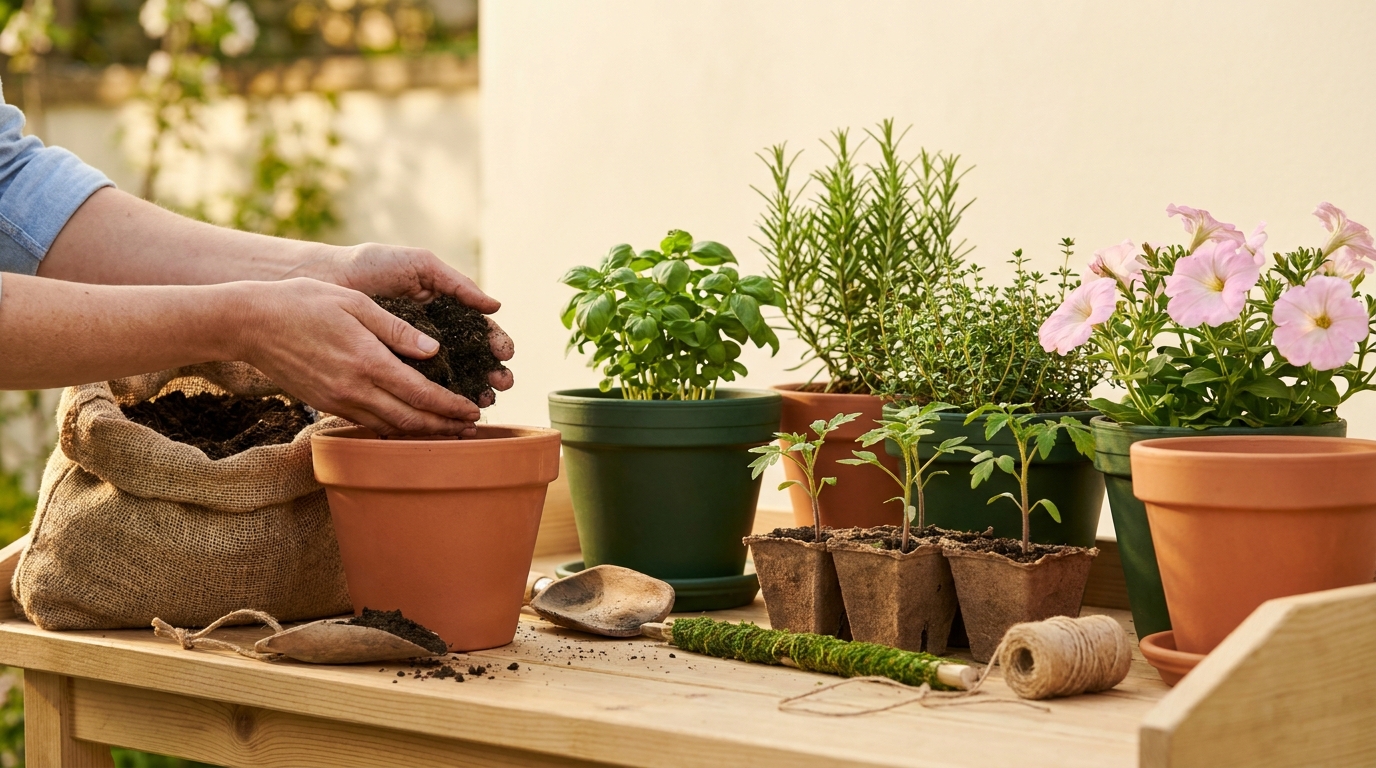
Yes, you can often reuse old potting compost. The key is to check its condition, then either refresh it for containers or repurpose it as a mulch or soil improver. The Royal Horticultural Society notes that compost from dead container plants is generally safe to reuse, especially as mulch around established plants (RHS advice).
How to inspect old potting compost
- Tip it out and break it up. Remove roots and debris so you can assess the texture.
- Check for pests. If you find vine weevil grubs, don’t reuse the mix in containers. The RHS suggests spreading the compost thinly and letting birds eat the larvae before reusing the compost as above (RHS advice).
- Consider disease history. Pots are unlikely to suffer soil-borne diseases, but if previous plants showed root rots or wilts, don’t reuse that mix for planting. Dispose of it rather than risking reinfection (The Micro Gardener; RHS advice).
- Look for compaction. Old compost settles and compacts, limiting air space. Alys Fowler advises dumping it out, adding fresh material and “fluffing” it back up; simply topping up the pot leaves a dense no-grow zone at the bottom (The Guardian).
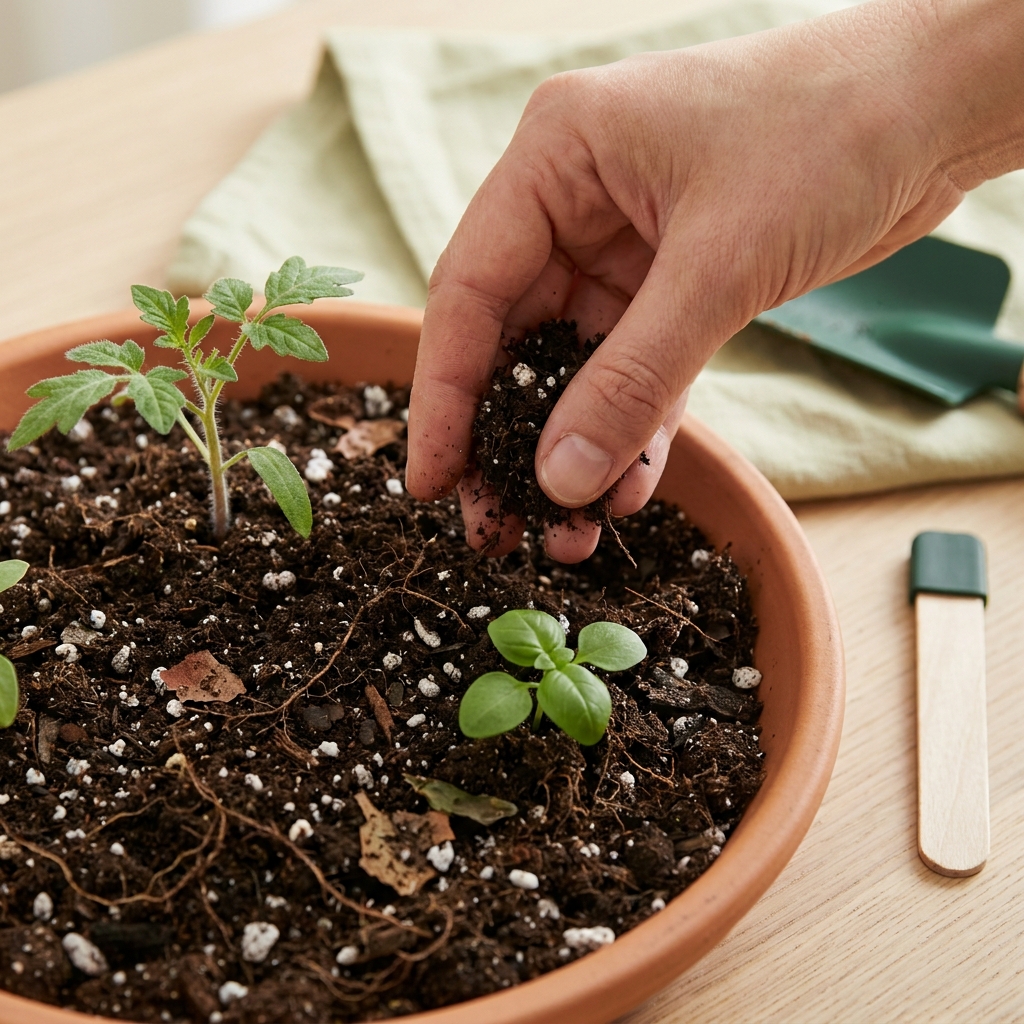
How to refresh mix for container reuse
Once the mix passes inspection, rebuild structure and fertility before replanting:
- Fluff and sift: Work the spent mix to a smooth, crumbly texture and remove old roots (RHS advice).
- Blend with fresh organic matter: RHS suggests around 70% spent compost to 30% new organic matter such as garden compost or well-rotted manure for replanting (RHS advice). Alys Fowler’s approach is a 50:50 mix of old and new compost (The Guardian).
- Add drainage and air space: Mix in horticultural grit or sharp sand. Fowler also notes non-clumping clay cat litter can substitute as a lightweight, porous aggregate. Aim for generous drainage in the overall volume (The Guardian). For container basics, see our guide on drainage holes.
- Replenish nutrients: Add a slow-release fertiliser and/or mix in nutrient-rich compost so the refreshed medium can support new growth (RHS advice; The Guardian; The Micro Gardener).
Reused mix still needs ongoing care: monitor watering, and feed plants according to their needs, especially “hungry” crops, which may benefit from extra fertiliser if you’re reusing compost (RHS advice).
Good alternative uses for old potting compost
- Mulch borders and pots: Spread a 7.5 cm (3 in) layer to help lock in moisture and suppress weeds; soil life will work it in over time (RHS advice).
- Improve garden soil: Dig in spent compost to boost structure, aeration and drainage, even if nutrients are modest (RHS advice).
- Top-dress lawns: Mix with sand and brush into aeration holes in autumn (RHS advice).
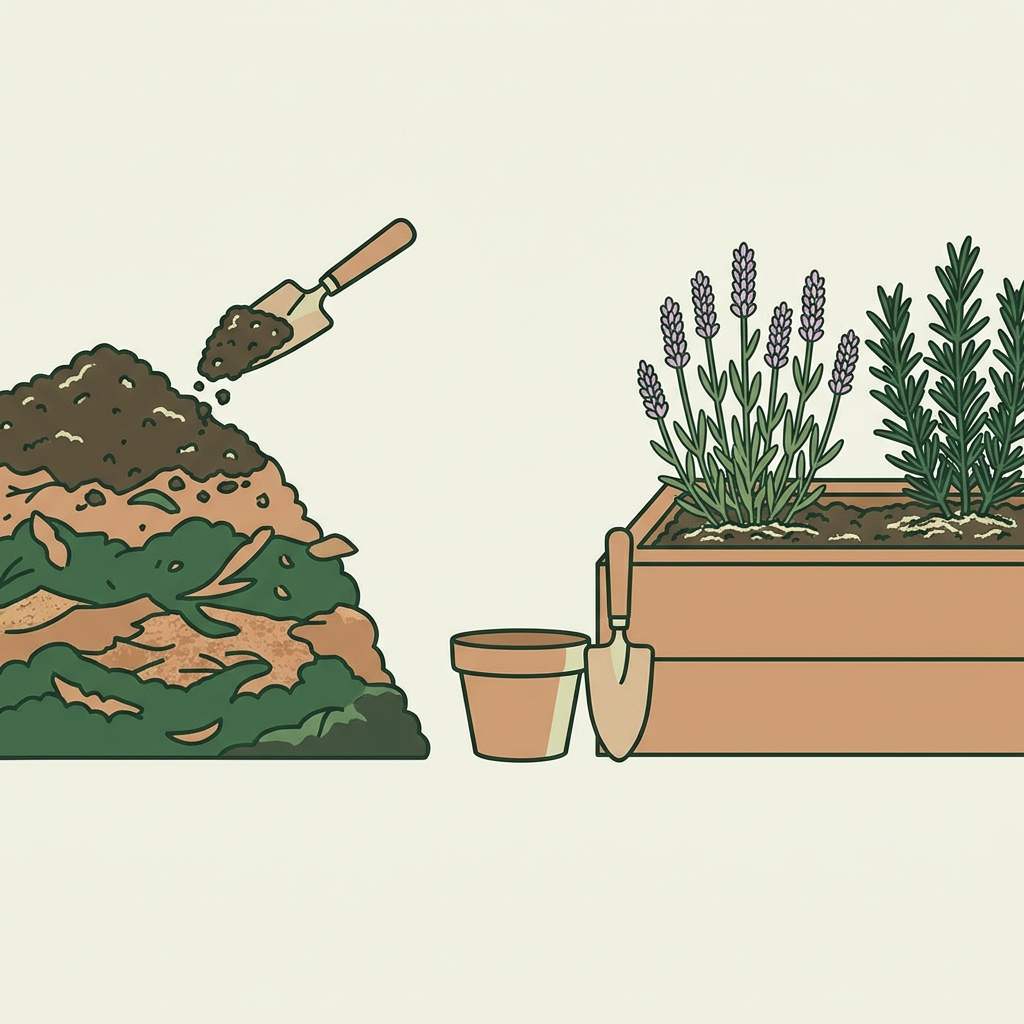
- Boost a compost heap: Layer spent compost into your bin to add biology and bulk (RHS advice).
When not to reuse
- Disease history: If a plant in that pot had clear signs of soil-borne disease (e.g., root rots or wilts), do not reuse the mix for planting. The Micro Gardener recommends disposing of contaminated material rather than risking reinfection (The Micro Gardener). No additive reliably removes all pathogens.
- Persistent pests: If you uncover vine weevil larvae, do not reuse the medium for new container plantings. RHS advises spreading the compost thinly on a tarp so birds can clear the larvae; then reuse the compost as described above (RHS advice). For gnat issues, start clean and follow our 30-day plan for fungus gnats.
- Skip home oven sterilisation: Avoid trying to “bake” potting mix in household ovens or microwaves. If you’re uneasy about a batch, repurpose it as mulch or soil improver instead, and use fresh compost for new container crops.
Quick steps to reuse today
- Tip out the old mix, remove roots and any grubs; break up clods.
- Blend with fresh compost or well-rotted manure at 30-50% new material.
- Add grit or sharp sand for drainage and a slow-release fertiliser.
- Repot, water to settle, and label the pot so you remember its history.
Prepare and repurpose spent potting compost
FAQ
What mix ratio should I use when refreshing?
There isn’t one universal recipe. RHS suggests about 70% spent compost to 30% new organic matter for replanting, while Alys Fowler uses roughly 50:50 plus plenty of drainage aggregate. Choose a ratio that suits your plant’s needs and the condition of the old mix (RHS advice; The Guardian).
Is compost from dead, healthy plants OK to reuse?
Yes. RHS notes compost from dead container plants is generally safe to reuse, especially as a mulch around established plants (RHS advice).

Related guides
Product options for this topic
As an Amazon Associate I earn from qualifying purchases. These are researched options, not hands-on test results. Check the exact size or model, current price and availability on Amazon.
| Product option | Fit and limits to check | Retailer |
|---|---|---|
| Product imageFiskars Ergo garden trowel | A hand-trowel option for planting and potting. Compare the scoop with your container opening and choose a grip that works comfortably for you. | View on Amazon |
| Product imageXLUX long-probe soil moisture meter | A probe to supplement checks of potting-mix moisture. Readings vary with mix and placement; combine them with pot weight and a finger check. | View on Amazon |