
The journal
When to collect wildflower seeds?
How to spot ripeness, time your harvest by species and climate, collect ethically, and dry and store wildflower seeds so they stay viable.
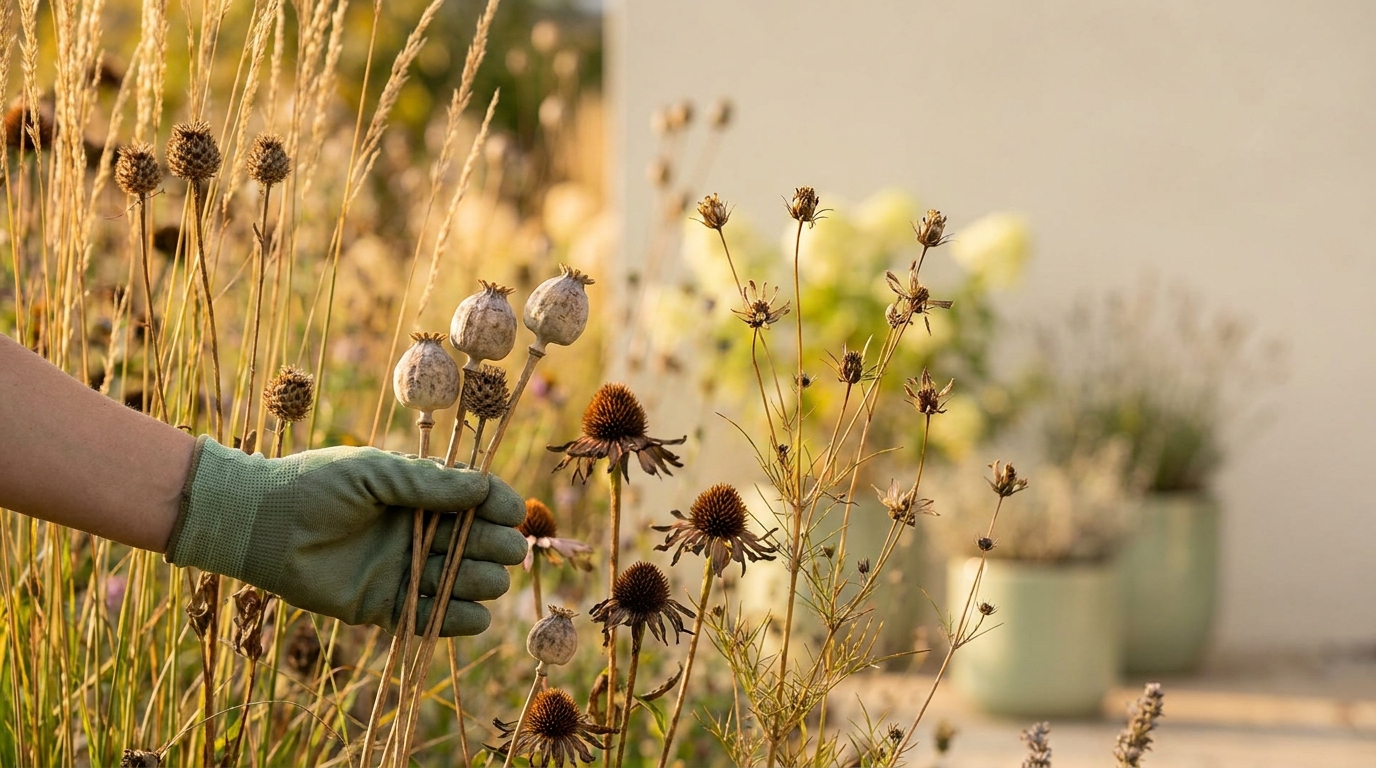
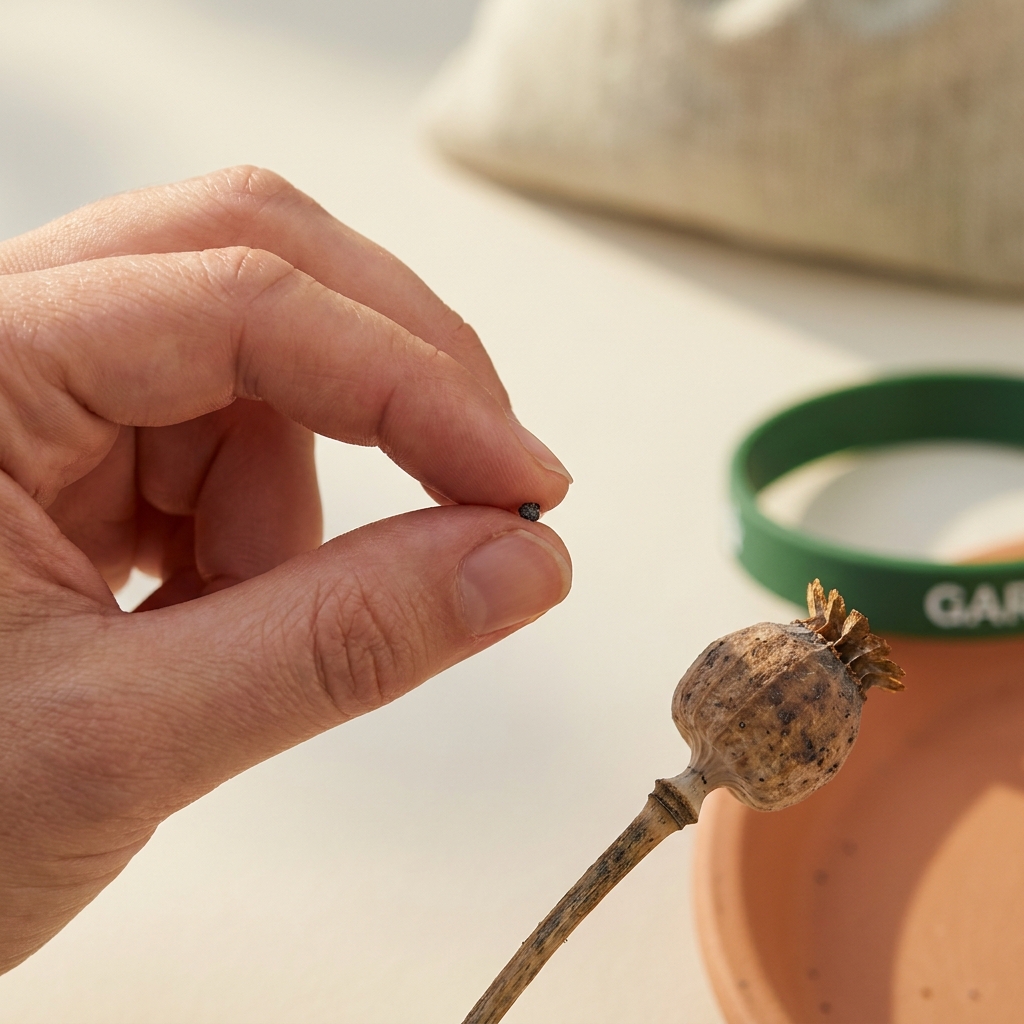
Collect wildflower seeds when the seedheads or pods on the plant are fully mature and dry. Look for tan-to-brown, papery or brittle structures and seeds that feel firm; collecting too early risks low or no viability, while waiting too long can let them disperse on their own https://wildseedproject.net/blog/seed-dispersal-growing-the-future-one-seed-at-a-time.
How to tell seeds are ready
Visual cues
Most species signal ripeness by drying down: green seed pods and heads turn tan or brown and feel papery. Many wildflowers also release seeds easily when they are ripe. For instance, coneflower seeds flick off the central cone when ready, and asters or goldenrods form fluffy beige heads whose seeds come away with a gentle rub https://wildseedproject.net/blog/seed-dispersal-growing-the-future-one-seed-at-a-time. Milkweed pods change from green to yellowish and split along a seam as the silky seeds loosen https://wildseedproject.net/blog/seed-dispersal-growing-the-future-one-seed-at-a-time.
Touch and timing
Ripe seeds feel firm (not soft or squishy). Check plants frequently after they finish flowering; many natives ripen from late summer onward in cooler regions, but exact timing varies widely by species and site. If you miss the first flush, keep checking: some species ripen over weeks with multiple chances to collect https://wildseedproject.net/blog/seed-dispersal-growing-the-future-one-seed-at-a-time.
Plan by species and climate
There is no single date that fits all wildflowers. Build a simple habit: note when each species flowers, then start weekly ripeness checks. In most cases you will collect directly from dry plants. As an exception, some species can be clipped slightly green and allowed to cure off the plant before processing, but handle these carefully and make sure they finish drying properly https://ecorestore.arizona.edu/preparation/plant-collection/wild-collection-seeds.
Permissions and how much to take
Always get landowner permission and follow local laws before collecting on public or private land https://trueharvestseeds.org/recommendations-for-collecting-wild-flower-seed-from-the-wild/ https://ecorestore.arizona.edu/preparation/plant-collection/wild-collection-seeds. Leave plenty for wildlife and natural regeneration. Programs differ, but all emphasize restraint:
- Home gardens: limit to about 5% per individual plant to encourage natural spread https://wildseedproject.net/blog/seed-dispersal-growing-the-future-one-seed-at-a-time.
- Restoration collections: many groups cap harvests at no more than 20% of a population’s seed https://blog.cwf-fcf.org/index.php/en/10-tips-for-collecting-native-seeds/.
- At minimum, leave at least half of target plants uncollected and, where possible, sample from many individual plants to maintain genetic diversity https://ecorestore.arizona.edu/preparation/plant-collection/wild-collection-seeds.
Collecting and handling in the field
Use breathable containers such as paper bags or envelopes rather than plastic, which traps moisture; keep collections cool and shaded, and never leave them in a hot car https://trueharvestseeds.org/recommendations-for-collecting-wild-flower-seed-from-the-wild/ https://blog.cwf-fcf.org/index.php/en/10-tips-for-collecting-native-seeds/. Label each bag with species, location, and date before you leave the site to avoid mix-ups later https://blog.cwf-fcf.org/index.php/en/10-tips-for-collecting-native-seeds/.
Quick field check before you pick seeds
Drying, cleaning and storing seeds
Dry and clean
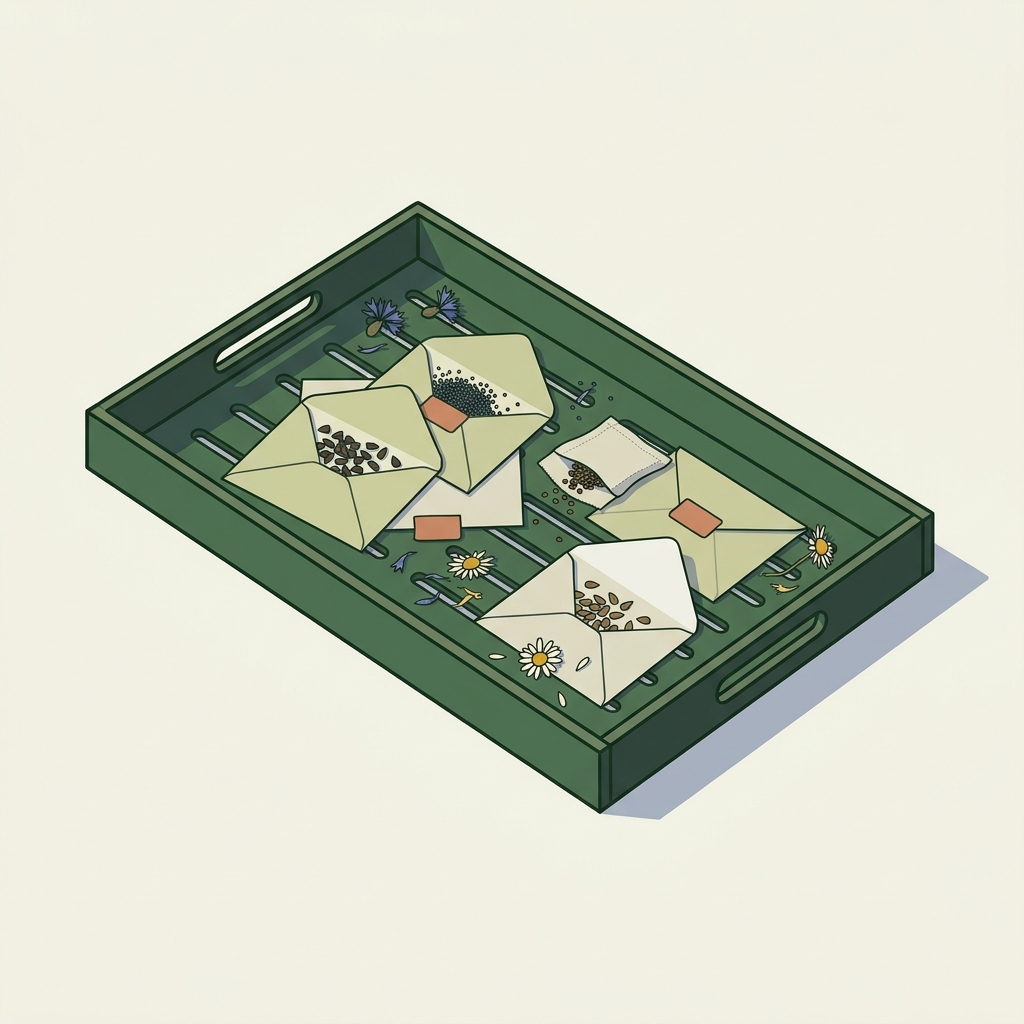
Spread collected material in a thin layer right after you return, and allow it to dry thoroughly in a cool, ventilated place for a few days before cleaning. Expect the occasional insect to wander out during drying. Once crispy dry, separate seed from chaff by hand or with simple screens, working over a tray or sheet so you can reclaim any spills https://blog.cwf-fcf.org/index.php/en/10-tips-for-collecting-native-seeds/ https://trueharvestseeds.org/recommendations-for-collecting-wild-flower-seed-from-the-wild/.
Store appropriately
For short-term home storage, keep fully dry seed in tightly sealed jars or bags in a cool, dry, temperature-stable spot, such as a refrigerator; include labels with species and collection details https://wildseedproject.net/blog/seed-dispersal-growing-the-future-one-seed-at-a-time. Avoid heat and humidity; cool and dry conditions preserve viability https://ecorestore.arizona.edu/preparation/plant-collection/wild-collection-seeds. For long-term conservation storage, professional guidelines use very low temperatures with low moisture content; this is beyond typical home needs https://ecorestore.arizona.edu/preparation/plant-collection/wild-collection-seeds.
Where you want natural reseeding, consider sowing fresh: immediate sowing can help some species avoid dormancy cycles that delay germination https://trueharvestseeds.org/recommendations-for-collecting-wild-flower-seed-from-the-wild/.
Common pitfalls and quick fixes
- Collecting too early: seeds may not be viable. Wait for full ripeness or let slightly green collections cure fully before processing https://wildseedproject.net/blog/seed-dispersal-growing-the-future-one-seed-at-a-time https://ecorestore.arizona.edu/preparation/plant-collection/wild-collection-seeds.
- Overharvesting: depletes the local seed bank and wildlife food. Follow conservative take limits and spread collection across many plants https://blog.cwf-fcf.org/index.php/en/10-tips-for-collecting-native-seeds/ https://ecorestore.arizona.edu/preparation/plant-collection/wild-collection-seeds.
- Heat and moisture damage: avoid plastic bags in the field, hot vehicles, and damp storage; dry seeds fully before sealing containers https://trueharvestseeds.org/recommendations-for-collecting-wild-flower-seed-from-the-wild/ https://blog.cwf-fcf.org/index.php/en/10-tips-for-collecting-native-seeds/.
Related reading
- How often should you water potted plants in autumn?
- Will herbs survive winter in pots? Practical container care and choices
Frequently asked questions
Can I collect seeds before they fully dry on the plant?
Usually it is best to wait for dry, mature pods or heads. Some species can be harvested a bit early and allowed to cure off the plant, but you must finish drying them carefully to maintain viability https://ecorestore.arizona.edu/preparation/plant-collection/wild-collection-seeds.
How do I handle seeds from fleshy fruits?
Remove the fruit flesh and sow immediately for many species, rather than drying them out. Examples include viburnum, dogwood and some woodland herbs https://wildseedproject.net/blog/seed-dispersal-growing-the-future-one-seed-at-a-time.
Should I freeze saved seeds?
For home gardeners, cool and dry storage (often in a refrigerator) is usually sufficient for a season. Long-term conservation storage uses very low temperatures and precise moisture control, which are specialized practices https://wildseedproject.net/blog/seed-dispersal-growing-the-future-one-seed-at-a-time https://ecorestore.arizona.edu/preparation/plant-collection/wild-collection-seeds.