
The journal
Is it OK to store seeds in Ziploc bags?
Yes, if seeds are fully dry and humidity stays low. Learn when resealable bags work, how to avoid moisture problems, and when to use paper envelopes or jars instead.
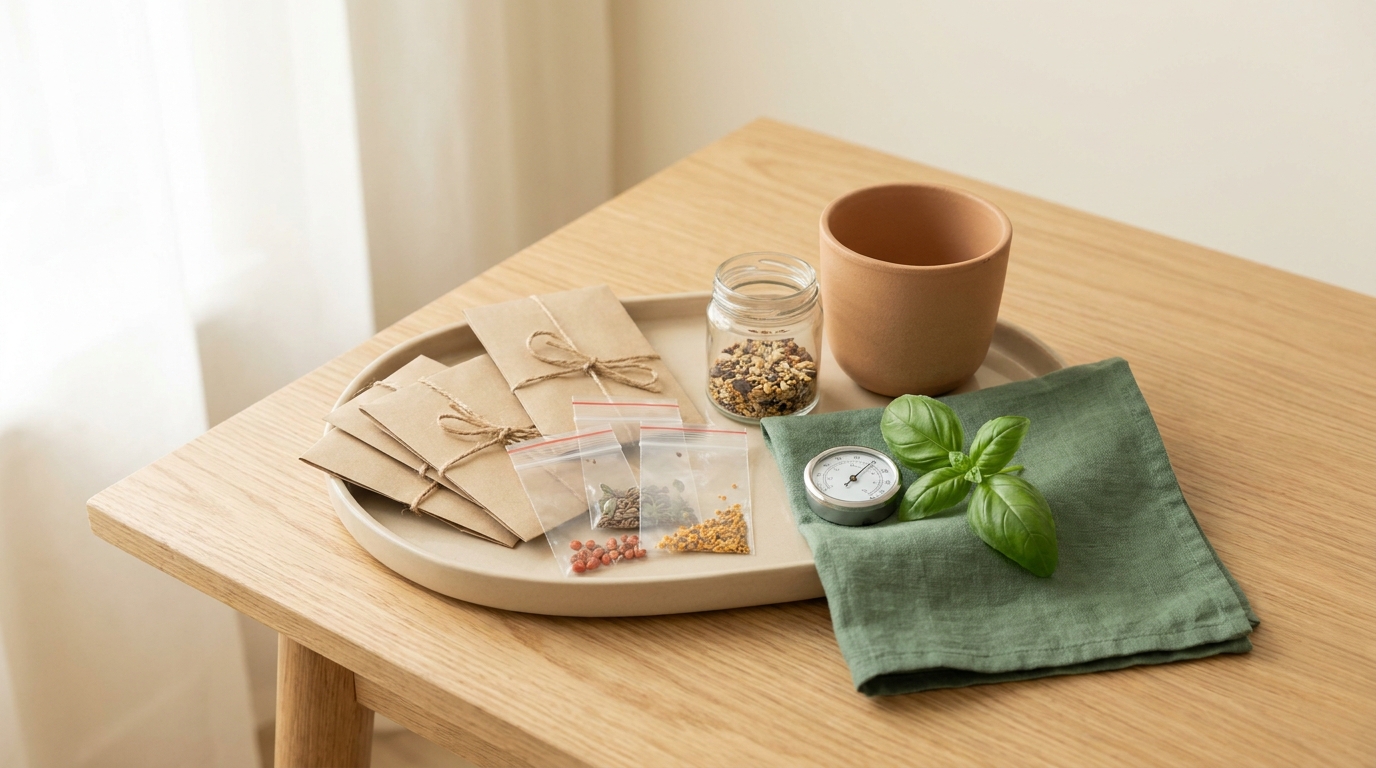
Yes, you can store seeds in resealable plastic bags, but only if the seeds are completely dry and the storage spot is cool, dark and low-humidity. Otherwise, use breathable paper envelopes or rigid containers instead to reduce moisture risks (South Dakota State University Extension; Seed Savers Exchange).
Why dryness and humidity decide success
Moisture is the main factor that shortens seed life. Both drying seeds thoroughly before sealing and keeping storage humidity low matter most for longevity. Seed Savers Exchange notes that a relative humidity of 40% or lower is best for drying and storage, and to keep seeds in a cool, dark place out of sunlight (Seed Savers Exchange). SDSU Extension emphasizes that reducing humidity is the most important step and advises staying below about 60% relative humidity for storage (South Dakota State University Extension).
Direct light and heat can also reduce viability. Keep seeds in the dark and avoid temperature swings; a consistently cool closet or cabinet works well (Seed Savers Exchange).
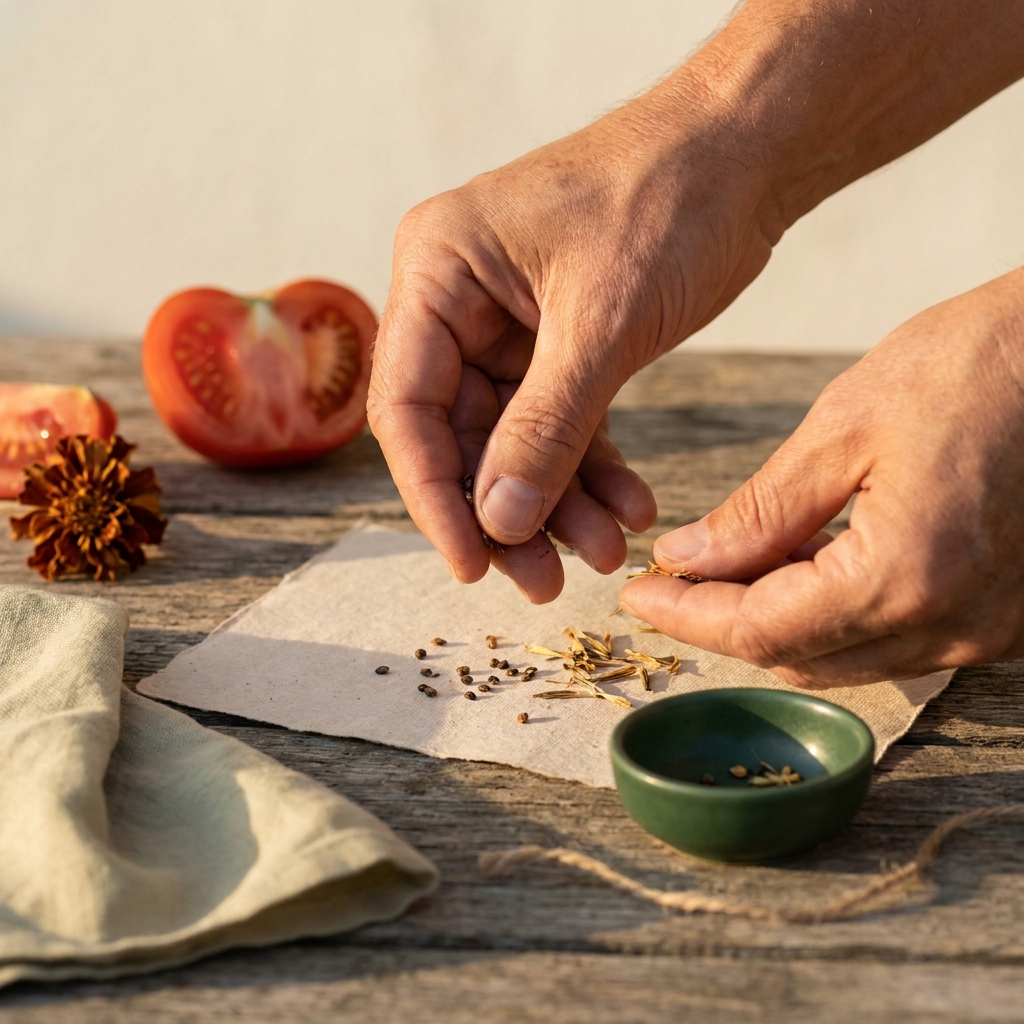
How to store seeds in resealable bags safely
Follow this simple process if you choose plastic bags.
- Dry seeds completely. Spread seeds thinly on a plate, paper, or (better) a screen with airflow for several days to weeks. A quick check: crush or snap a few. If they shatter or break cleanly, they’re dry; if they bend or squish, keep drying (Seed Savers Exchange).
- Package by variety and label. Keep each variety separate and label with name and date. If you’re unsure the seeds are fully dry, use paper envelopes first. Paper gives a little “breathing room,” which is useful when moisture is uncertain (Seed Savers Exchange).
- Seal and monitor. Place packets in small resealable bags and press out excess air. Check the inside of the bag after a few days and again later; visible condensation means moisture is trapped. If you see it, open, dry seeds further, and repackage (South Dakota State University Extension).
- Store cool, dark, and dry. Keep bags out of sunlight in a stable, cool location. Refrigeration can extend life if both the seeds and the refrigerator are sufficiently dry. Always let a cold container reach room temperature before opening to prevent condensation on the seeds (Seed Savers Exchange; South Dakota State University Extension).
When to skip plastic and choose alternatives
- If dryness is uncertain: Use paper envelopes or mesh bags in a consistently cool, dry room (“open storage”) so any remaining moisture can escape. Protect against pests as needed (Seed Savers Exchange).
- For longer-term protection: Use rigid, sealed containers like glass jars or metal tins to add pest resistance and physical protection. Ensure seeds are dry before sealing (Seed Savers Exchange).
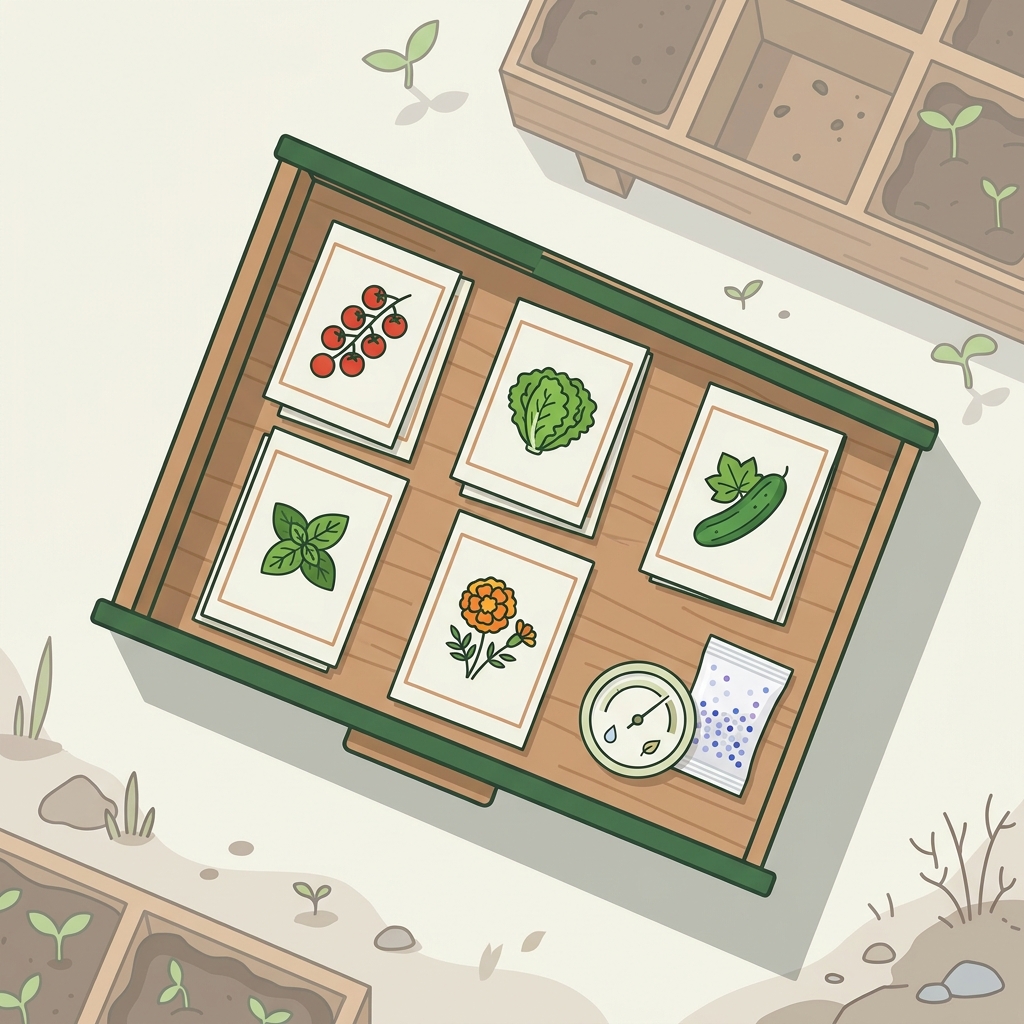
Common mistakes and quick fixes
- Sealing damp seeds: Top cause of mold and early loss of viability. Fix: dry thoroughly using the snap/shatter test, then repackage (Seed Savers Exchange).
- Ignoring condensation: Any fogging or droplets inside a sealed container means you’ve trapped moisture. Fix: open, dry seeds more, and choose paper until you’re confident they’re dry (South Dakota State University Extension).
- Sunlight on clear bags: Light and heat can damage seeds. Fix: store in opaque bins, drawers, or a dark cabinet (Seed Savers Exchange).
- Opening cold containers too soon: This invites condensation. Fix: let refrigerated containers warm to room temperature before opening (South Dakota State University Extension).
Quick checklist: safe storage in resealable bags
Short answers to common questions
Can I refrigerate seeds in plastic bags?
Yes, if seeds are fully dry and sealed. Refrigeration can extend storage life. Let containers warm to room temperature before opening to prevent condensation on the seeds (South Dakota State University Extension).
How long will stored seeds last?
It depends on the crop and storage. Some are short-lived (parsnip, onion, leek often 1-2 years), while others like cabbage and squash can remain viable for over five years with proper storage (Seed Savers Exchange). Keeping conditions cool, dark and dry helps. SDSU Extension also notes some seeds can keep for a decade or more when carefully stored (South Dakota State University Extension).
What should I do first if I see mold?
Open the container, discard heavily moldy seeds, and dry any salvageable seeds thoroughly before repackaging. Switch to paper envelopes until you’re confident they are fully dry (Seed Savers Exchange).
Planning your next sowing
Once your seeds are safely stored, plan container depths and layouts for next season:

Bottom line: Resealable bags are fine for short to medium storage when seeds are bone-dry and conditions stay cool, dark and low-humidity. If in doubt about dryness or you need longer storage, choose breathable paper or rigid, well-sealed containers instead.