
The journal
Will herbs survive winter in pots? Practical container care and choices
Learn how to overwinter herbs in pots with clear steps, low-effort options and a winter checklist for container gardeners.
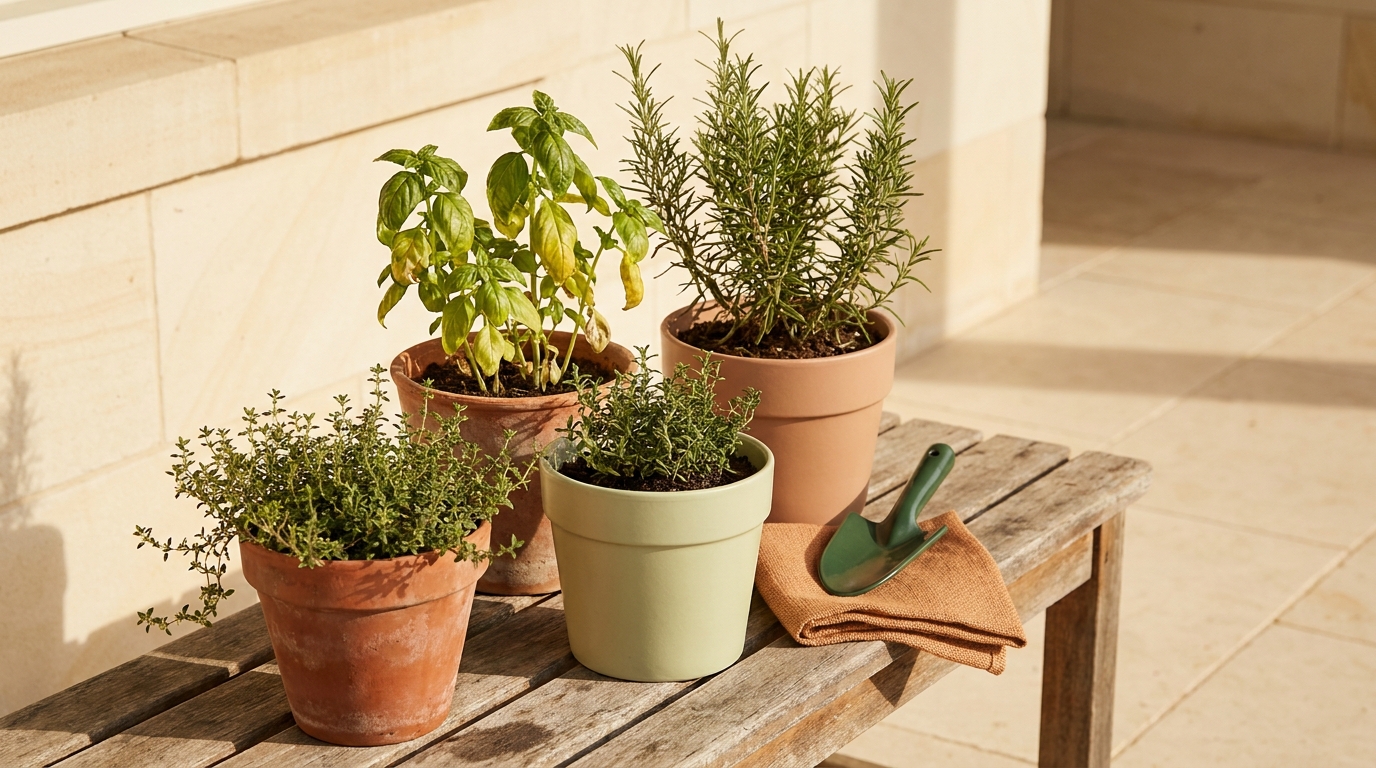
What overwintering herbs in pots means and why it matters
Overwintering is the set of actions you take to keep a plant alive through the cold months rather than letting it die back and be replaced in spring. For many home gardeners, knowing how to overwinter herbs in pots is the practical difference between keeping a useful plant all year and starting from seed next season.
Potted plants face different risks than those in the ground. Pots expose roots to colder air, drain heat faster, and can dry out more quickly. That makes the root zone more vulnerable to freeze and to winter drying during sunny, cold days.
Will my potted herbs survive the winter without special care?
Most potted herbs face higher risk than in-ground plants because pots lose heat and dry faster; survival depends on the herb type, pot properties and your microclimate, so choose moving indoors, insulating outdoors, or saving cuttings based on those factors.
Herbs fall into three plain categories that matter for winter care: annuals that complete their life cycle in one season, tender herbs that do not tolerate frost, and hardy perennial herbs that can survive cold when planted in the ground. Containers change how each of these behaves because a pot holds less soil and less insulation than garden beds.
Key risks to mention are root freeze, winter drying, and lack of light. Root freeze happens when the soil inside a pot reaches temperatures that damage roots. Drying occurs because wind and sun continue to pull water even when temperatures are low, and light shortage can prevent even hardy herbs from maintaining leaf health if they are kept indoors.
Knowing these basics helps you pick an overwintering approach that fits your plants and your space.
A step-by-step framework to overwinter herbs in pots
Use this three-way decision approach: identify the herb and its tolerance, choose one of three strategies, then follow a clear preparation checklist.
- Move plants indoors when a herb is tender, you have suitable light and space, and you want to keep the living plant active through winter.
- Insulate and leave outdoors when a herb is somewhat woody or marginally hardy, your winter is mild or you have a sheltered microclimate, and you prefer lower effort over perfect survival odds.
- Treat as an annual and save genetics by taking cuttings or seed when plants are annuals or you cannot provide indoor space; this keeps the variety for next year with little winter fuss.
Step 1: identify the herb and its tolerance. Check whether your plant is an annual, a tender herb, or a hardy perennial. Make a short note of whether it has woody stems or soft growth, and how much light it needs in winter.
Step 2: choose an overwintering strategy using the three options above. If you plan to move plants indoors, plan space, light and airflow. If you plan to insulate outdoors, choose wrapping methods and a protected location. If you take cuttings, decide timing and rooting medium.
Step 3: prepare the plant and the pot. A practical prep list combines pruning, drainage checks, and small potting edits:
- Prune lightly to remove long, floppy growth and reduce transpiration stress, but avoid heavy hard pruning before cold sets in.
- Check drainage holes and clear any blockages so melt water can escape and roots do not sit in cold water.
- Top up potting mix if the level has fallen so roots remain covered and insulated.
- Reduce or stop fertilizer about four to six weeks before expected hard frost so plants begin dormancy rather than forced growth.
- Harden plants before moving by cutting back on water and cooler night exposure a week or two in advance to reduce shock.
- If moving indoors, pick a bright, cool room rather than a warm, dry one to limit pests and stress.
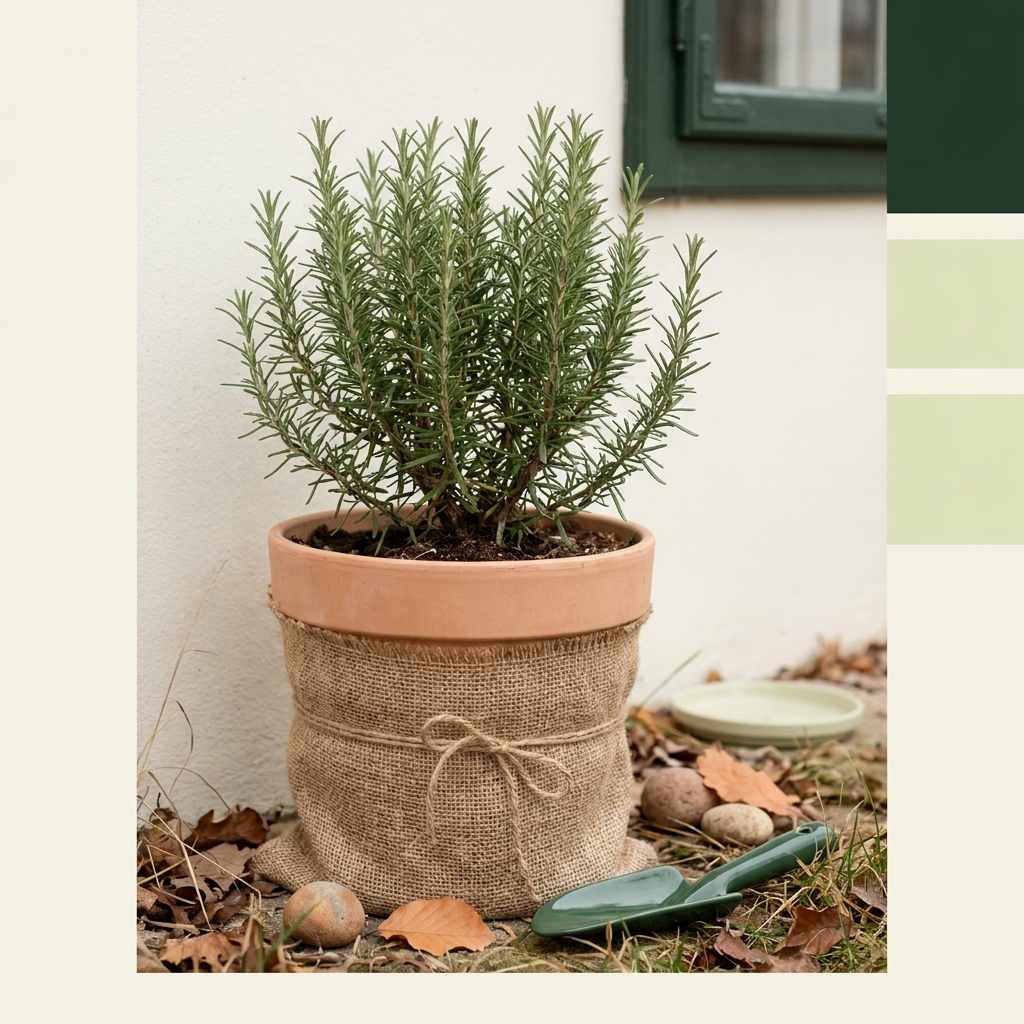
On-site actions for outdoor insulation include wrapping pots with bubble wrap, moving pots close to a south-facing wall, and piling mulch or straw around the base to protect roots. Use frost cloth sparingly over top growth on the coldest nights rather than sealed plastic that can trap moisture and promote rot.
Warnings: do not bury pots in leaves while still wet, and do not seal a moved plant into a dark closet. Both mistakes raise pest and disease risk or cause sudden decline.
How to choose the right overwintering option for your herbs
Match three things: the plant's hardiness, your microclimate and the container's properties. Ask first whether the herb is a hardy perennial or a tender plant, then check where you can place a container in winter and how big and insulated the pot is.
Hardiness zones guide growers in gardens, but your balcony, patio or courtyard can have its own microclimate. Sheltered corners next to buildings, sunny walls and spots shielded from wind will be several degrees warmer than exposed edges. That change matters for containers because pots lose heat faster than garden soil.
Container size and material change risk. Large pots hold more soil and change temperature more slowly, which improves survival odds for borderline hardy herbs. Terra cotta pots lose heat faster and can crack if frozen; plastic and fibercement pots hold warmth better. If a plant is borderline hardy, a larger, less porous container gives an advantage.
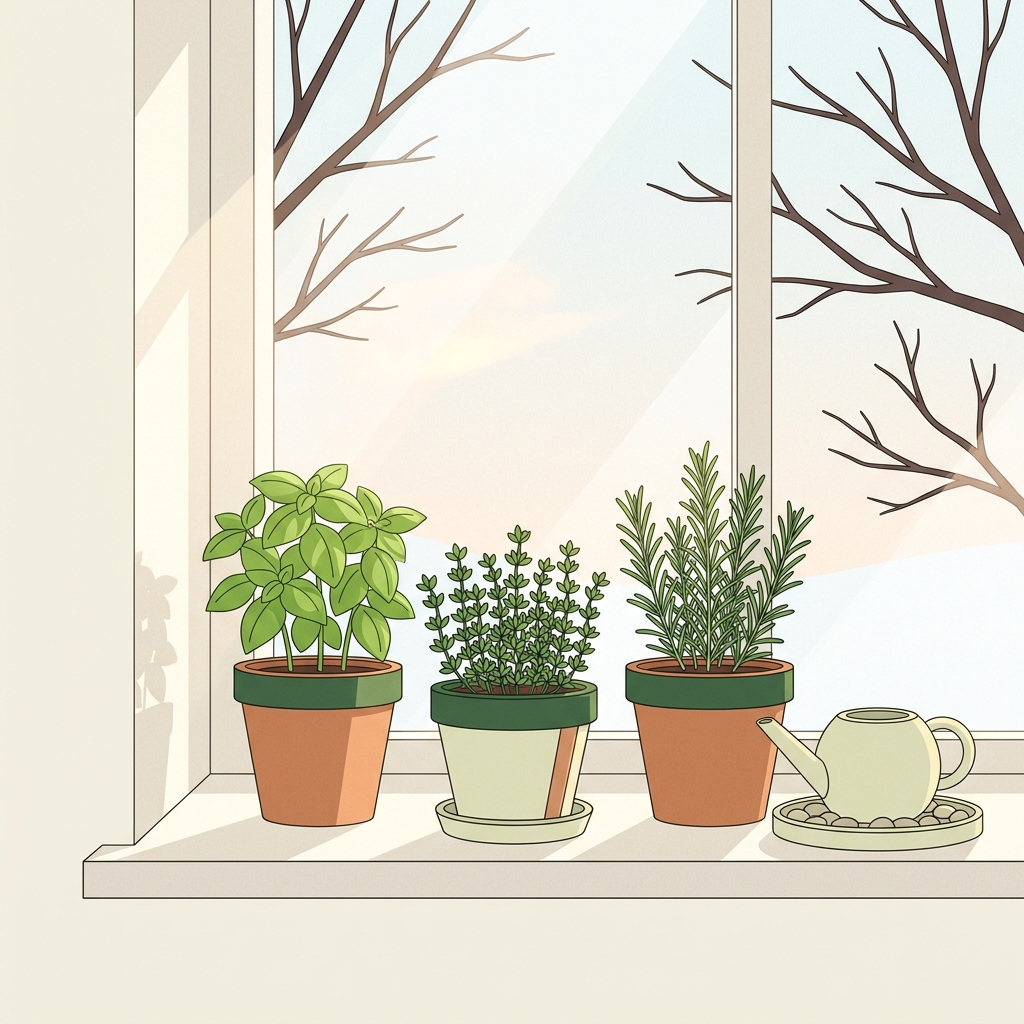
When to move indoors: choose this when a herb is clearly tender, when you have a bright cool spot with airflow, and when you want fresh leaves all winter. Move indoors only after the plant has been hardened off to reduce shock. For more on indoor overwintering routines, see how to overwinter herbs indoors.
When insulating outdoors is acceptable: pick this if the herb is a woody tender type that tolerates short periods of near-freezing soil, if your winters are mild, or if moving plants would harm their structure. Insulation reduces root-freeze risk and, combined with a sheltered location, can be low effort with reasonable success.
Weigh effort versus success by asking how many plants you can realistically house inside and how valuable each plant is to you. For high-value herbs, moving indoors or taking cuttings is often worth the time. For common, easy-to-replace herbs you use mainly in summer, treating them as annuals and saving seed or cuttings may be the lowest-effort choice.
Common mistakes and how to avoid them
Overwatering in winter is the most common error. When air is cold, evaporation slows, and roots can sit in cold, wet soil that invites rot. Water only when the top inch of potting mix is dry and reduce frequency compared with summer. For most potted herbs in cool, bright spots, a monthly check in deep winter is often enough.
Assuming pots behave like garden soil causes trouble. Pots dry and cool faster, so expect more rapid swings. Insulate the pot, add mulch on top of the soil, and choose larger containers when possible to stabilize the root environment.
quick winter checks to reduce common failures
Poor light and temperature control indoors is another frequent problem. A warm, dim room speeds pest buildup and stresses herbs. Instead, aim for the brightest cool window or a sunroom where daytime light stays strong and temperatures stay between cool and mild.
Pests arrive with plants moved inside. Inspect foliage, isolate new arrivals for a week, and treat minor infestations early with gentle measures like soap spray or manual removal. Good airflow and clean pots are the simplest defenses.
Common quick fixes: if leaves yellow and rot appears, reduce watering and move the pot to a brighter spot with airflow. If growth stalls without disease, check light first before changing soil or fertilizer.
Practical examples and scenarios for common herbs
Tender herbs: basil and cilantro. These are typically grown as annuals in many climates. If you want to keep basil through winter, moving it indoors to a bright window is usually the best option; keep it slightly cooler than room temperature and reduce water. For cilantro, which dislikes long indoor life, taking seed or sowing fresh in spring is often easier than forcing it through winter.
Tender woody herbs: rosemary and lemon verbena. Rosemary is borderline for some climates; a sheltered spot and good insulation around the pot can succeed in mild winters. If your winters are colder, consider moving rosemary to a cool, bright indoor spot rather than a warm dry room. Lemon verbena tends to be more tender; moving it or treating it as a container plant to overwinter indoors is the safer choice.
Hardy perennials: thyme, oregano and mint. These plants are generally forgiving and can survive outdoors in many regions when planted in the ground. In pots they need extra care because the roots can freeze. Choose larger, less porous containers, move them into a sheltered corner, and add mulch over the soil to improve survival odds. Mint can be aggressive; if you keep it in a large container with insulation, you may have fresh shoots in spring.
Mixed container strategies: if a pot holds both tender and hardy herbs, decide based on the most sensitive plant. You can also take cuttings of the tender species and leave the hardy ones outside with extra insulation. When indoor space is limited, prioritize moving herbs that provide the most value or are hard to replace.
Emergency options: if a cold snap arrives unexpectedly and you cannot move pots, group containers tightly against a wall, drape frost cloth over them for the night, and add a layer of mulch inside the pot if you can. These steps can reduce immediate damage and buy time until you can take longer-term action.
Checklist for winter maintenance and when to bring plants back to active care
Weekly to monthly maintenance kept short makes winter care manageable. A simple schedule: check drainage and pot stability, test soil moisture before watering, and inspect for pests every one to four weeks depending on indoor conditions.
Copy-ready winter checklist:
- Weekly: visual check for obvious rot or collapse
- Every 2 to 4 weeks: probe top 1 inch of soil and water only if dry
- Monthly: inspect for pests and remove dead growth
- After major cold events: remove pooled water and restore soil cover
Signs of recovery in late winter include new leaf buds, firmer stems, and fresh color at the branch tips. Signs of decline are soft, brown roots, collapsed stems, and prolonged leaf loss. When a plant shows recovery, resume gradual watering and restart light and feeding slowly.
Preparing for spring: gradually reintroduce plants to stronger sun by increasing exposure in small steps over one to two weeks, check whether a root-bound plant needs repotting into a slightly larger container, and restart fertilizer at a low rate when new active growth is visible.
Repotting cues include roots circling the pot surface or the plant drying out rapidly after watering. If you repot, use fresh potting mix and avoid deep fertilizer until the plant has adjusted for a few weeks.

Frequently asked questions
Can I keep basil in a pot over winter?
Basil is tender and usually fares better if moved indoors to a bright, cool spot; otherwise take cuttings or plan to resow in spring.
Will rosemary survive in a pot over winter?
Rosemary can survive if winters are mild and the pot is insulated and sheltered; in colder regions moving it to a cool bright indoor spot is safer.
How often should I water potted herbs in winter?
Water only when the top inch of soil is dry, which is often much less frequently than in summer; check every one to four weeks depending on light and temperature.
With a little planning and the right choice for each plant, most potted herbs can either be kept through winter or preserved so you can start strong in spring. Use the decision steps and checklist here to match your space to the right approach. Keep records of what worked so you can refine your approach next season, and prioritize moving the herbs that matter most to you when space or light are limited.
References
- https://gardeninreach.com/guides/seasonal-container-gardening/
- https://gardeninreach.com/guides/potting-mix-and-plant-care/
- https://content.ces.ncsu.edu/winterizing-the-herb-garden
- https://gardeninreach.com/guides/plant-pots-and-containers/
- https://gardeninreach.com/guides/
- https://www.gardenary.com/blog/how-to-overwinter-herbs-indoors
- https://www.gardeningknowhow.com/edible/herbs/hgen/how-to-overwinter-herbs.htm