
The journal
How to use self-watering plant pots with capillary matting for seedlings
A clear, practical guide to setting up and using self-watering pots and capillary matting for seedlings, with setup steps, refilling, and seasonal care.
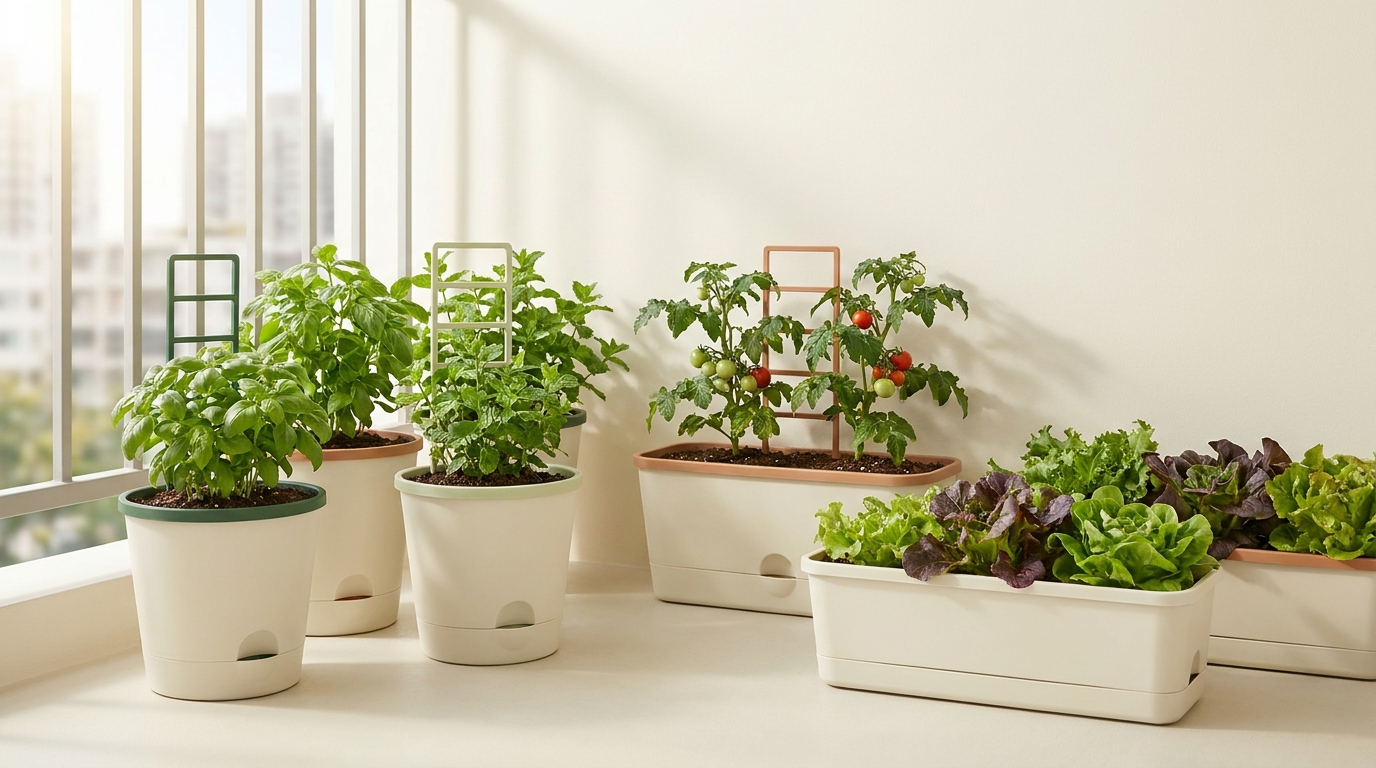
Use a self-watering pot by planting in a lightweight potting mix, thoroughly wetting the mix once at planting, then filling the reservoir according to the maker’s instructions and keeping any overflow clear. For seedling trays on capillary matting, pre-soak the mat, keep it in firm contact with container bases, supply water from a nearby reservoir, and re-wet from above if capillary contact is lost. These points are essential for steady moisture without waterlogging Mayne quick guide; Apex capillary mats; TwoWests capillary mats.
What these systems do
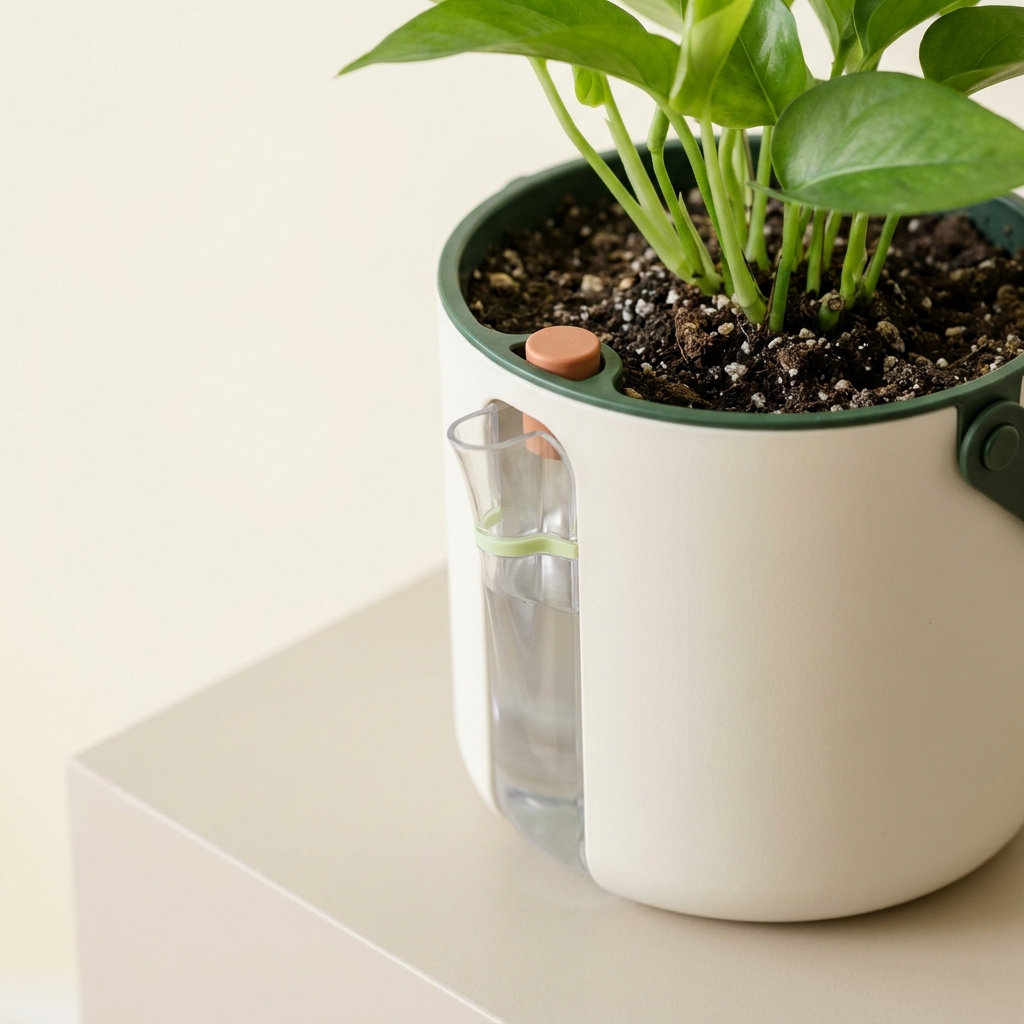
Self-watering planters store water in a lower reservoir and deliver it upward by wicking through a soil column or wick, moving water through a connected wick or moist growing-medium column; roots do not have to touch the reservoir itself Root & Vessel overview. Capillary matting is a porous, absorbent fabric laid under pots or trays; when the mat is saturated and touching container bases, water moves up into the media by capillary action Apex capillary mats.
Set up a self-watering pot: practical steps
- Assemble the internal platform/wick and confirm the overflow or drain is unobstructed if your model has one Mayne quick guide.
- Fill with a lightweight, soilless potting mix rather than dense garden soil, which can block wicking and limit aeration Root & Vessel overview.
- Plant at the correct depth. Follow the maker’s initial top-watering instructions to establish a moist wicking path; check plant and medium moisture rather than assuming the reservoir alone waters a new planting Mayne quick guide.
- Fill the reservoir via the spout or access hole until the indicator or overflow shows full. Do not block the overflow on outdoor models Mayne quick guide.
Worked example: start seedlings on capillary matting
This setup suits cell trays or small pots that prefer consistent, even moisture.
- Place a deep, watertight tray as a reservoir. Set a flat bench or shallow tray above it and lay capillary matting on the growing surface. Pre-soak the mat thoroughly before use TwoWests capillary mats.
- Feed water to the mat from the reservoir by dipping one end of the mat in the water or using a separate capillary wick. Use the lift limit specified for the actual mat. TwoWests describes an approximately 10 cm (4 in) limit for its example; other mat grades and layouts may differ TwoWests capillary mats.
- Pre-wet your seedling trays or pots from above before placing them on the saturated mat. Press them down so the drainage holes have firm contact with the mat Apex capillary mats; TwoWests capillary mats.
- Maintain the reservoir level and don’t let the mat dry out. If the mat or media dries completely or trays are moved and contact breaks, re-wet from the top to re-establish capillary action Apex capillary mats.
- For the TwoWests mat setup, follow its advice to feed from above and keep the reservoir water clean. Other purpose-designed systems may permit a nutrient solution; use that system’s feeding instructions rather than treating this example as universal TwoWests capillary mats.
For more depth on watering young plants, see our broader explainer What is the best way to water seedlings?
Refilling, seasons and choosing plants
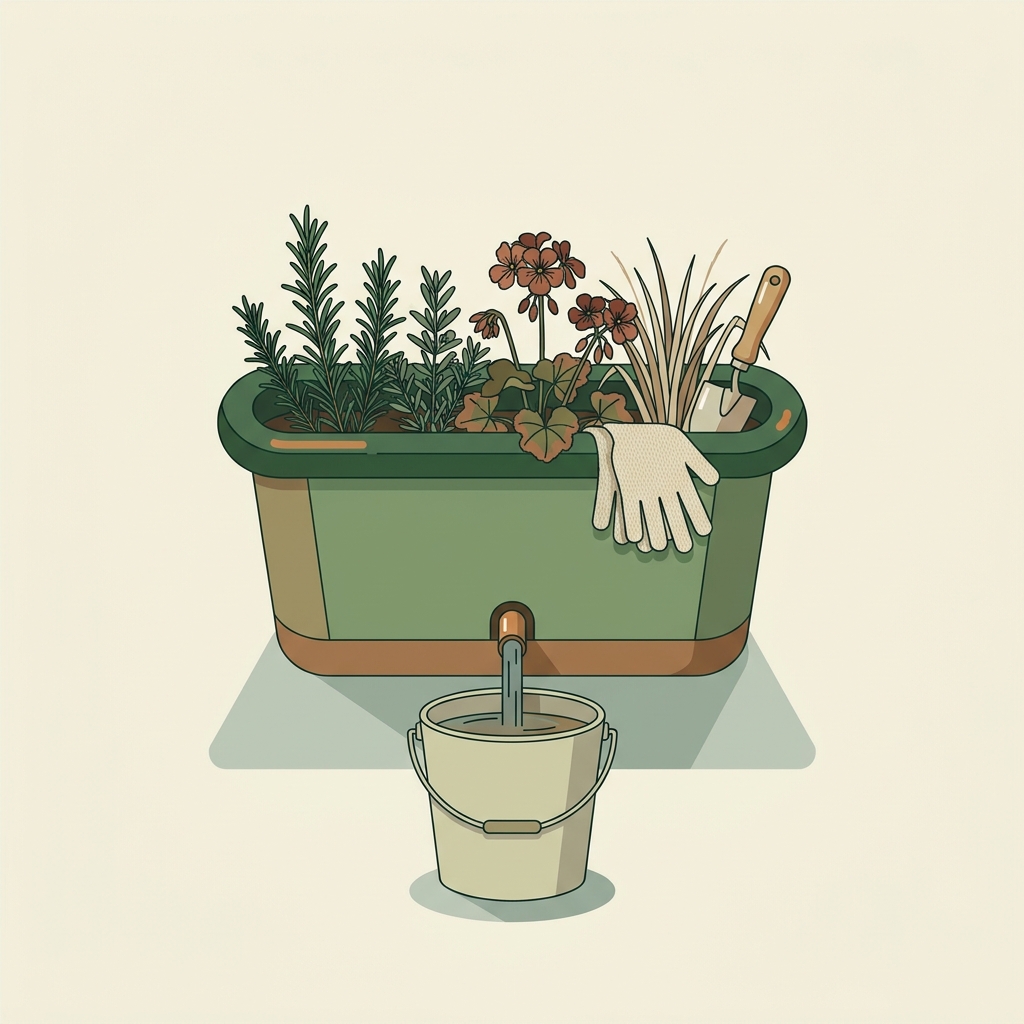
- Refill through the designed access point, following that model’s full indicator and top-watering guidance. Check the root-zone moisture as well as the reservoir; a full tank does not establish that every plant has the right conditions Mayne quick guide.
- Before freezing weather, drain outdoor reservoirs in double-wall planters to reduce ice damage risk Mayne quick guide.
- Pick plants that like steady moisture. Avoid using self-watering systems for cacti and many succulents, which prefer to dry between waterings Root & Vessel overview.
Common mistakes and quick fixes
- Dense or garden soil in a self-watering pot: repot into a soilless mix for proper wicking and air space Root & Vessel overview.
- Mat dried out or trays moved: re-saturate the mat and top-water containers once to restart capillary flow Apex capillary mats.
- Blocked or sealed overflow outdoors: restore the overflow so heavy rain can drain without waterlogging roots Mayne quick guide.
Capillary mat seedling setup: quick checks
FAQ
Do I still need to top-water with a self-watering pot?
Usually some initial top-watering is needed to wet the growing medium and establish contact, but the duration and later top-watering depend on the model and medium. Monitor actual moisture and follow its instructions Mayne quick guide.
What if capillary contact is lost under my seed trays?
Re-saturate the mat and top-water trays to re-establish capillary action, then resume bottom watering Apex capillary mats.
Can I fertilize through the mat reservoir?
Follow the actual system’s instructions. TwoWests advises feeding from above for its mat method; a system designed for nutrient delivery may use a different approach TwoWests capillary mats.
When seedlings outgrow trays, move them on and acclimatize them before planting out: see How do I harden seedlings for transplanting?

Related guides
Optional equipment for this guide
Use the plant and potting mix as the guide. A small watering can can help with controlled initial wetting and top watering where needed.
As an Amazon Associate I earn from qualifying purchases. These are researched options, not hands-on test results. Check the exact size or model, current price and availability on Amazon.
| Product option | Fit and limits to check | Retailer |
|---|---|---|
| Product imageHaws Handy one-pint watering can, Green | A small watering can for controlled watering of indoor pots or seedlings. Its one-pint capacity suits small rounds; follow the reservoir or compost guidance rather than watering to a fixed schedule. | View on Amazon |