
The journal
How do you measure a plant saucer?
Measure the pot’s base (not the rim), then match that number to a saucer’s inner diameter and a suitable depth so it catches runoff without overflow.
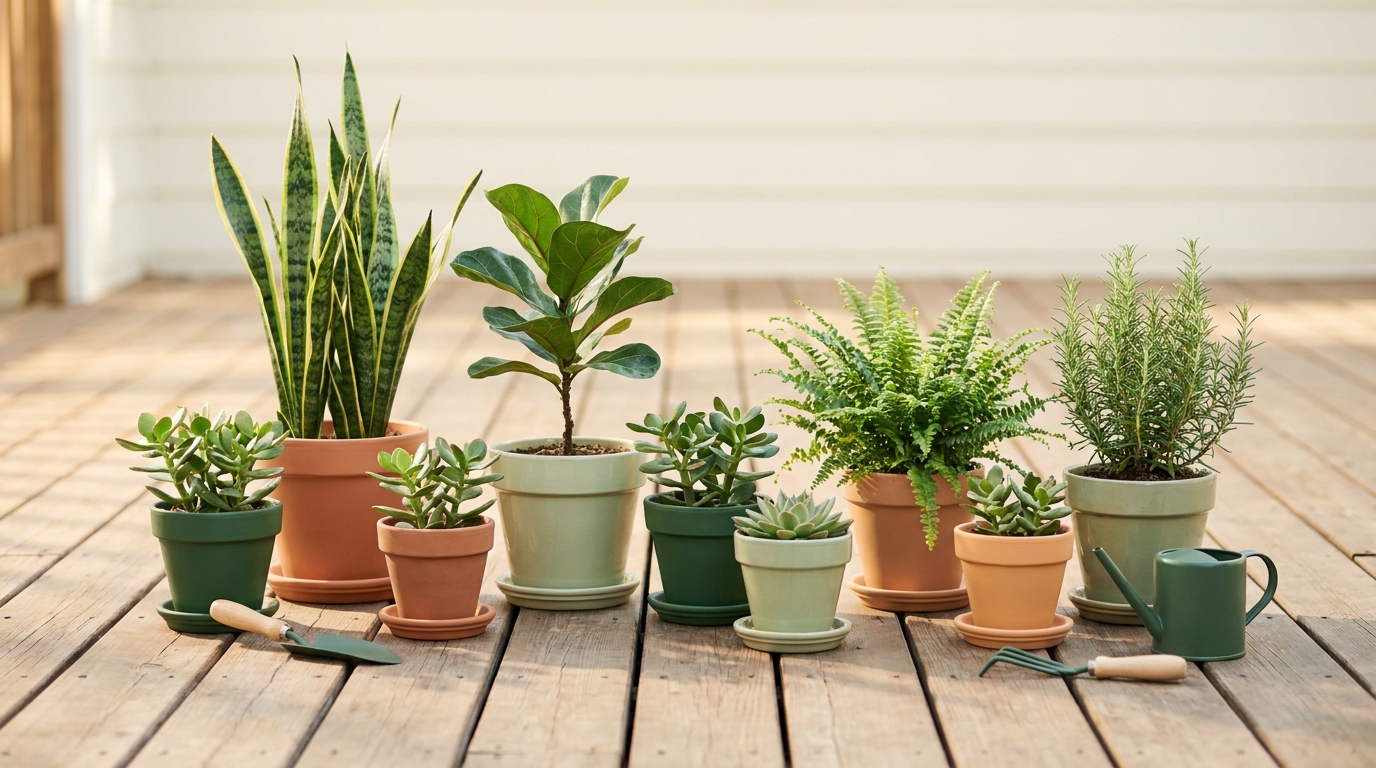
Measure the pot’s base across its widest point, then choose a saucer whose inner diameter is at least that size and with enough depth to hold your usual runoff. Many growers allow a bit of clearance; some retailers suggest 1 to 2 inches wider than the pot base depending on watering habits (Ten Thousand Pots sizing guide).
What a plant saucer is for
A plant saucer is a shallow dish that catches excess water that drains from a pot, protecting floors, shelves and decks. Indoors and outdoors, empty any standing water so roots are not left soaking; stagnant water can also invite pests outdoors (Gardening Know How: What are plant saucers for?).
Step by step: measure correctly
Tools
- Tape measure or ruler (most pots)
- Calipers (very small or irregular bases)
How to take the measurement
- Place the pot on a flat surface.
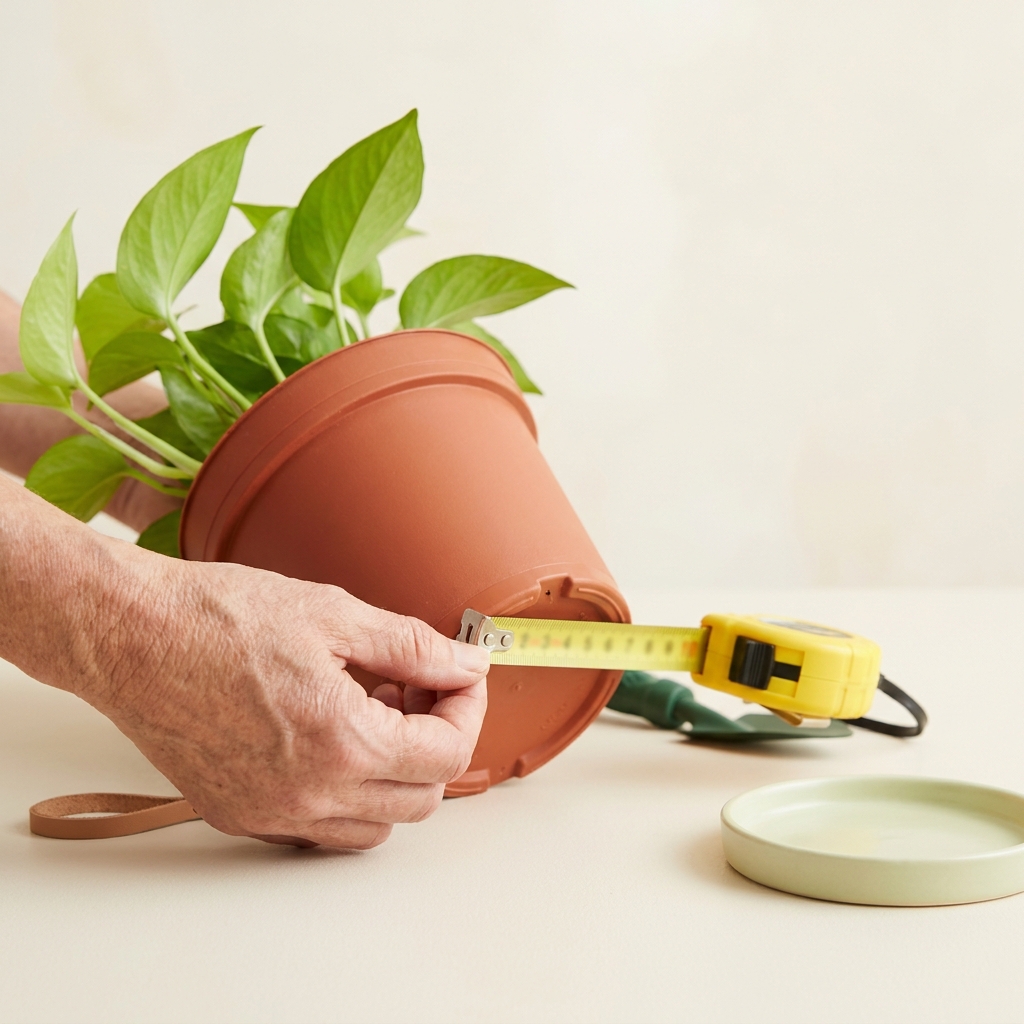
- Measure straight across the bottom at the widest point that will sit inside the saucer. Record this base diameter.
- If the pot has raised feet, measure from the outer edge of one foot to the opposite foot. That is the span that must fit inside the saucer.
Why bottom size, not rim size? Nursery pots are labeled by their top rim, and most pots taper so the base is smaller. Relying on the rim size often leads to a mismatch (LBE Design: how grow pots are measured).
Match your number to saucer specs
Inner diameter vs outer diameter
Shop by inner (usable) diameter when it’s listed. If a product only lists outer diameter, the inner space will be smaller due to wall thickness, similar to the common inside-vs-outside measurement issue with planters (LBE Design: inside vs outside problem). When in doubt, ask the seller for the inside-bottom diameter.
Depth and capacity
Depth determines how much water the saucer can safely hold before spilling. Pick a depth that matches how you water and the pot’s drainage rate, and empty any excess after watering to protect roots (Gardening Know How).
Prefer a quick sizing rule of thumb? Some retailers recommend measuring the pot base and choosing a saucer 1 to 2 inches wider to provide clearance and spill capacity (Ten Thousand Pots).
Common fit mistakes to avoid
- Using the pot’s rim size instead of the base size (most nursery pots taper) (LBE Design).
- Buying by outer diameter when the inner diameter is smaller than your pot base.
- Choosing a saucer so shallow it overflows on normal watering.
- Leaving water sitting in the saucer; drain to avoid root issues and mess (Gardening Know How).
Quick example
If your pot base measures 6 inches, look for a saucer with a published inner diameter of at least 6 inches. For extra clearance and runoff capacity, a 7 to 8 inch saucer is a common pick per retailer guidance (Ten Thousand Pots).
Related help from Garden in Reach
Check your saucer fit in 60 seconds
Short FAQ
Do I measure the top or the bottom of the pot?
Measure the bottom. Pots are labeled by rim size and usually taper, so the base is what determines saucer fit (LBE Design).
How deep should a saucer be?
Deep enough to catch your typical drainage without overflowing. Always pour off leftover water to protect roots and surfaces (Gardening Know How).
Is there a quick way to pick a size online?
Look for the saucer’s inner diameter. If only outer diameter is listed, ask the seller for the inside-bottom size. Many buyers also choose a saucer 1 to 2 inches wider than the pot base for easy clearance (Ten Thousand Pots).