
The journal
Should I use compost instead of mulch? Practical guidance for small gardens
A clear answer on when to use compost, when to use mulch, and how to layer them effectively in beds and small spaces.
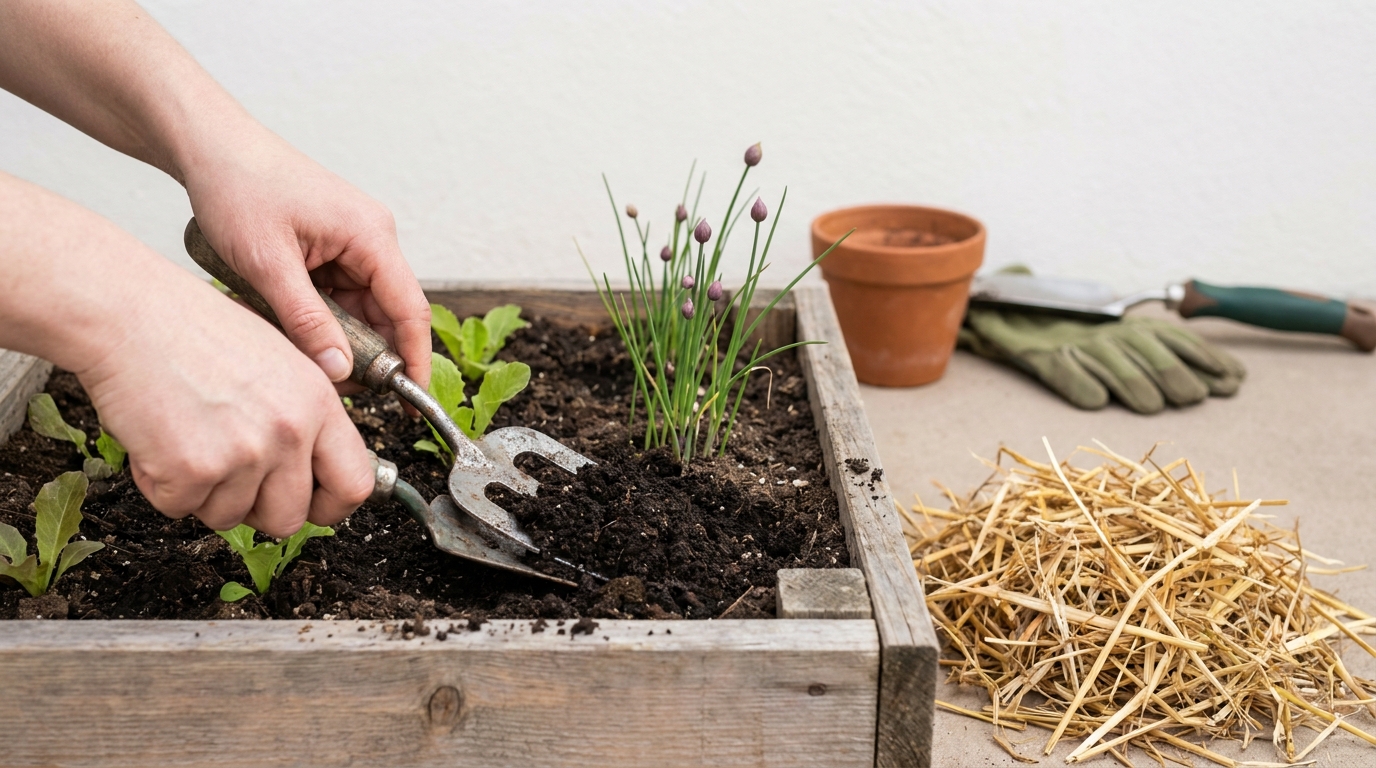
Short answer: usually no. Compost and mulch do different jobs. Use finished compost to build or refresh soil, and use mulch as a surface cover to conserve moisture, moderate temperature and suppress weeds. When soil improvement is needed, compost and a separate mulch can be used together Saving Water Partnership, joegardener: Why mulch matters.
Compost vs mulch: what they do
Compost is decomposed organic matter used to improve soil structure and fertility. Standard guidance is to incorporate it before planting or to apply light topdressings in existing beds Saving Water Partnership. Mulch is material laid on the soil surface to conserve water, suppress weeds, reduce erosion and moderate temperature; natural mulches also slowly add organic matter as they break down Saving Water Partnership, joegardener: Why mulch matters.
Can compost replace mulch?
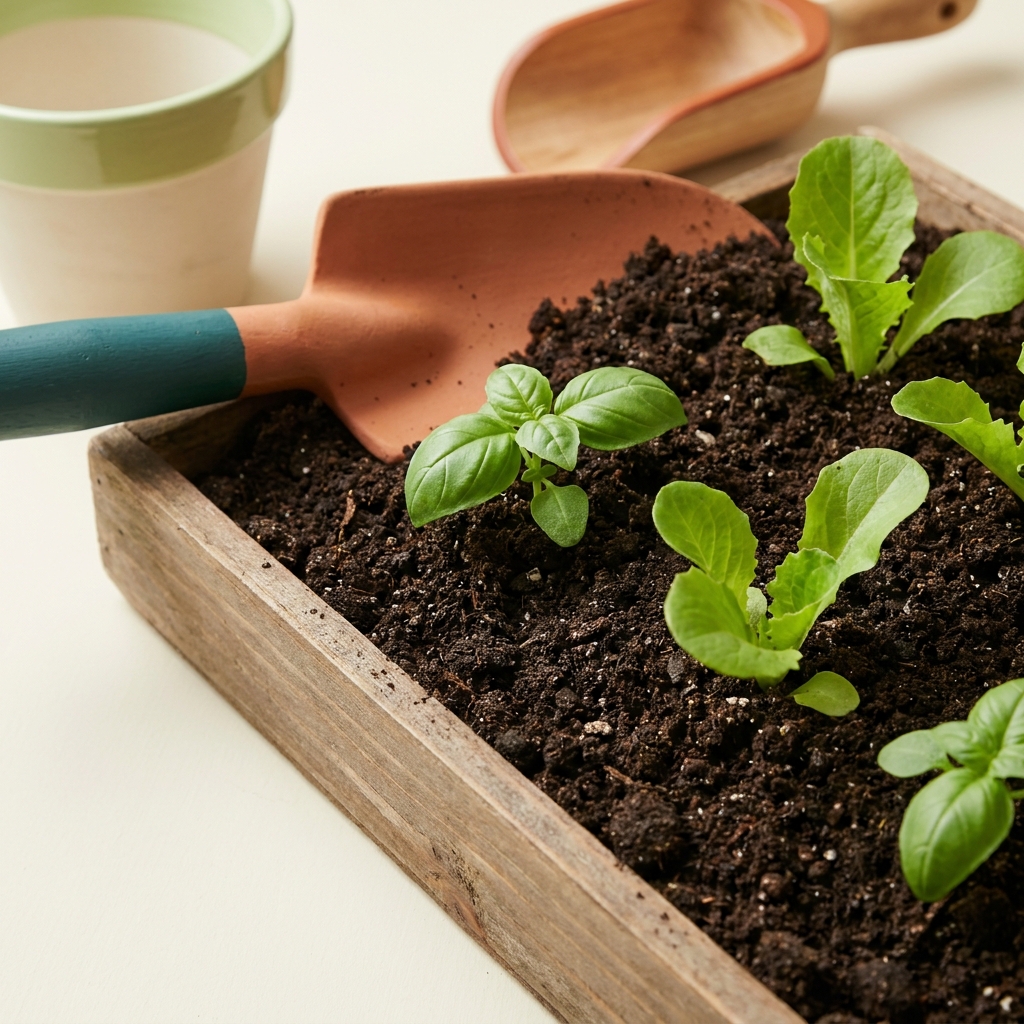
Sometimes, but with trade-offs. You can spread a surface layer of finished compost as a mulch in vegetable and flower beds, typically 1 to 3 inches, and keep it just off plant stems Saving Water Partnership. However, compost is lightweight and nutrient-rich, so it can be lost to wind or heavy rain, and it generally suppresses weeds less effectively than chunkier mulches. Many gardeners therefore add compost to the soil, then protect it with a separate mulch layer for better moisture conservation and weed control joegardener: Why mulch matters.
New beds vs established beds
- New beds and lawns: before planting, amend broadly rather than just the planting hole. Mix compost into the topsoil (gardens: 2 to 3 inches of compost worked 8 to 12 inches deep; lawns: 1 to 2 inches mixed into the top 6 inches). After planting, add mulch on top Saving Water Partnership.
- Established beds: avoid frequent digging. The cited regional guide suggests about 1 inch of finished compost every year or two where needed; assess the existing soil and compost before repeating an application, then maintain a mulch layer to protect the soil and reduce watering Saving Water Partnership, NYBG Mertz Library.
How much to apply and how to lay it
- Compost for beds: incorporate before planting (2 to 3 inches worked into 8 to 12 inches of soil). For existing beds, topdress roughly 1 inch every year or two Saving Water Partnership.
- Mulch for beds: the cited guides suggest 1 to 3 inches in annual and vegetable beds and 2 to 4 inches around woody plants. Adjust for the material, existing mulch and drainage instead of adding that depth on top each year. Keep mulch pulled back from stems and trunks. For small plants, leave at least about an inch of space; for trees and shrubs, avoid contact and never bury the root flare Saving Water Partnership, joegardener: Why mulch matters.
- What materials: use finished compost for soil improvement. For mulch, use natural, biodegradable materials like shredded leaves, straw, or wood chips; they protect now and build soil slowly as they decompose joegardener: Why mulch matters.
Common mistakes to avoid
- Using mulch as a soil amendment: keep wood chips and bark on the surface. Mixing fresh woody mulch into soil can cause nutrient imbalance; it belongs on top as protection joegardener: Why mulch matters.
- Mulch volcanoes: piling mulch against trunks traps moisture, invites pests and covers the root flare. Keep mulch a few inches back from trunks and spread it in a wide, even ring instead joegardener: Why mulch matters.
- Over- or under-mulching: too thin won’t suppress weeds; too thick can shed water and smother roots. Aim for the 2 to 4 inch range for most woody plantings and 1 to 3 inches in annual beds joegardener: Why mulch matters, Saving Water Partnership.
Small-garden notes
These depths are examples from the cited guides, not a requirement to add compost to every bed on a calendar. Existing soil condition, the compost’s composition and the plants’ needs determine whether more amendment is useful.
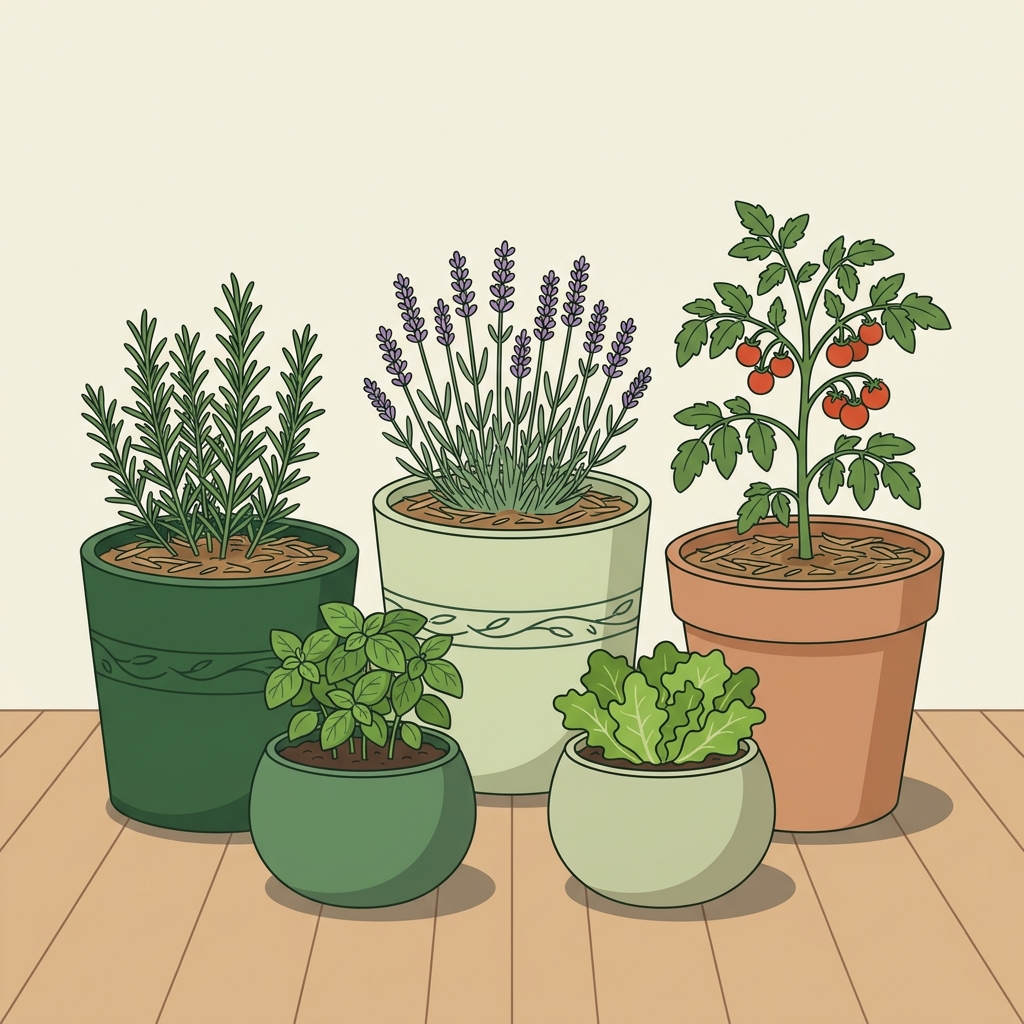
- Balcony and container growing: topdressing with a thin layer of finished compost can refresh potting mix. If you add mulch, use a modest layer and monitor moisture. For pros and cons in pots, see Should you add mulch to container plants?.
- Refreshing mixes: if you reuse containers, learn how to check and rejuvenate old potting compost safely: Can I reuse old potting compost?.
Decide: compost, mulch or both for this job
FAQ
Can I just put compost on top of soil instead of mulching?
You can in beds, and many programs allow 1 to 3 inches of compost as a surface layer. For stronger weed suppression and moisture conservation, most gardeners still cover amended beds with a separate mulch Saving Water Partnership, joegardener: Why mulch matters.
Will mulch feed my plants like compost does?
Natural mulches slowly add organic matter, but compost is the main amendment for improving soil fertility. Use compost to build soil and mulch to protect it over time joegardener: Why mulch matters, NYBG Mertz Library.