
The journal
Marigolds vs calendula: how to tell them apart before saving seed
Compare calendula and Tagetes marigolds using botanical names, leaves and flower form, with cautions about double flowers and uncertain identification.
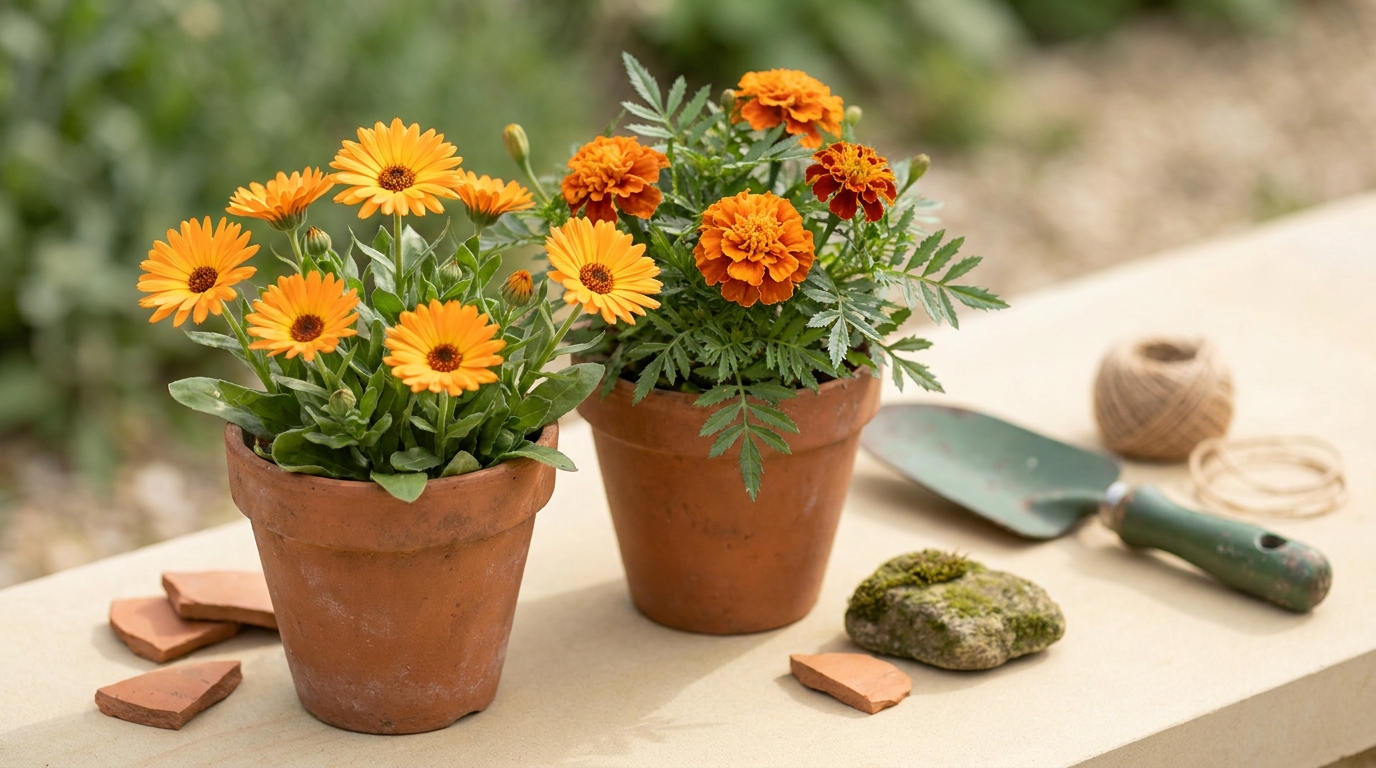
Start with the botanical name. Pot marigold is Calendula officinalis; familiar garden marigolds belong to Tagetes. Both can have yellow or orange flowers, so colour alone is a poor way to tell them apart. Compare the label, leaves and a reliable botanical profile before assigning a name to seed you plan to save.
Compare the leaves before relying on the flowers
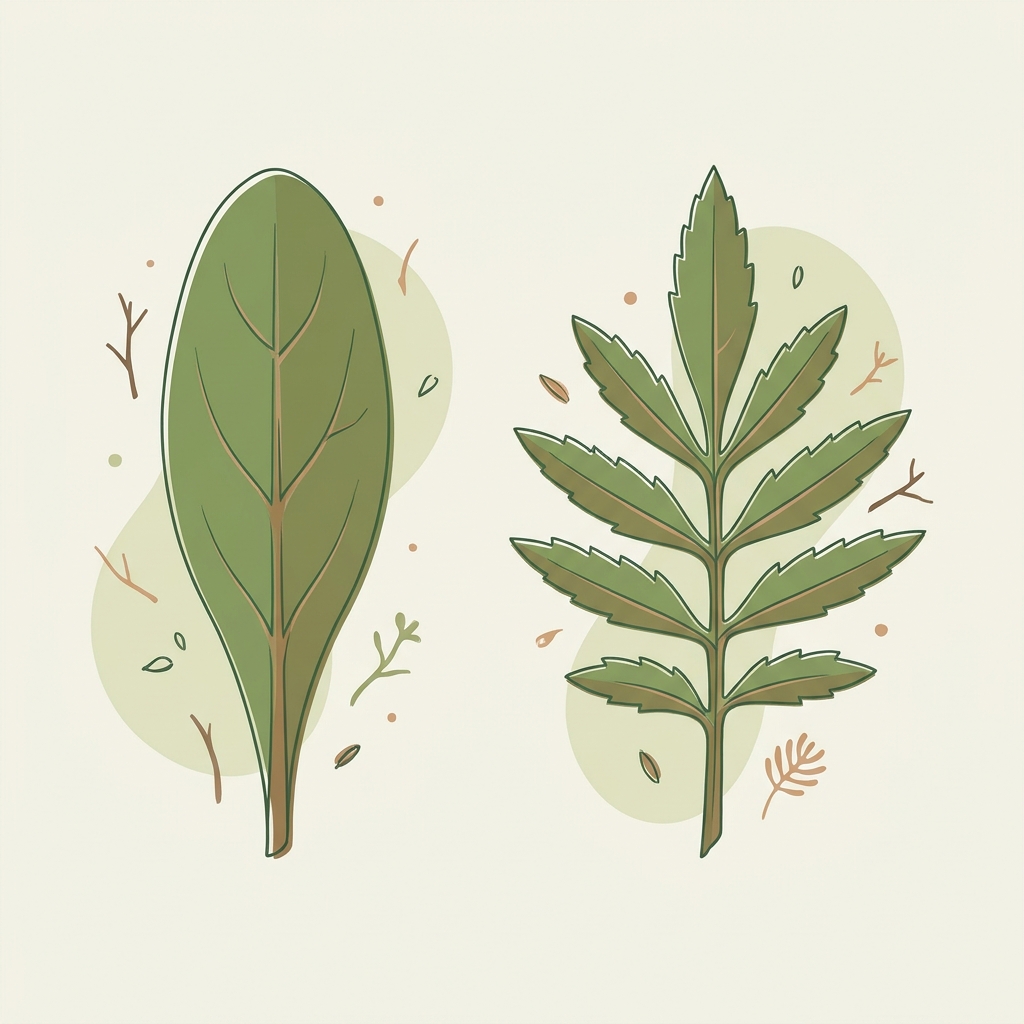
Calendula has simple leaves: each is one blade rather than a row of separate leaflets. Its foliage is often slightly hairy. Many familiar Tagetes marigolds have divided foliage with narrow leaflets. NC State Extension’s Tagetes profile provides botanical characteristics and photographs for comparison.
Treat these as useful clues, not a universal identification key for every species sold under the common name “marigold.” Check the whole plant and its label, especially when it differs from familiar bedding varieties.
A visible central disc is not a required calendula test
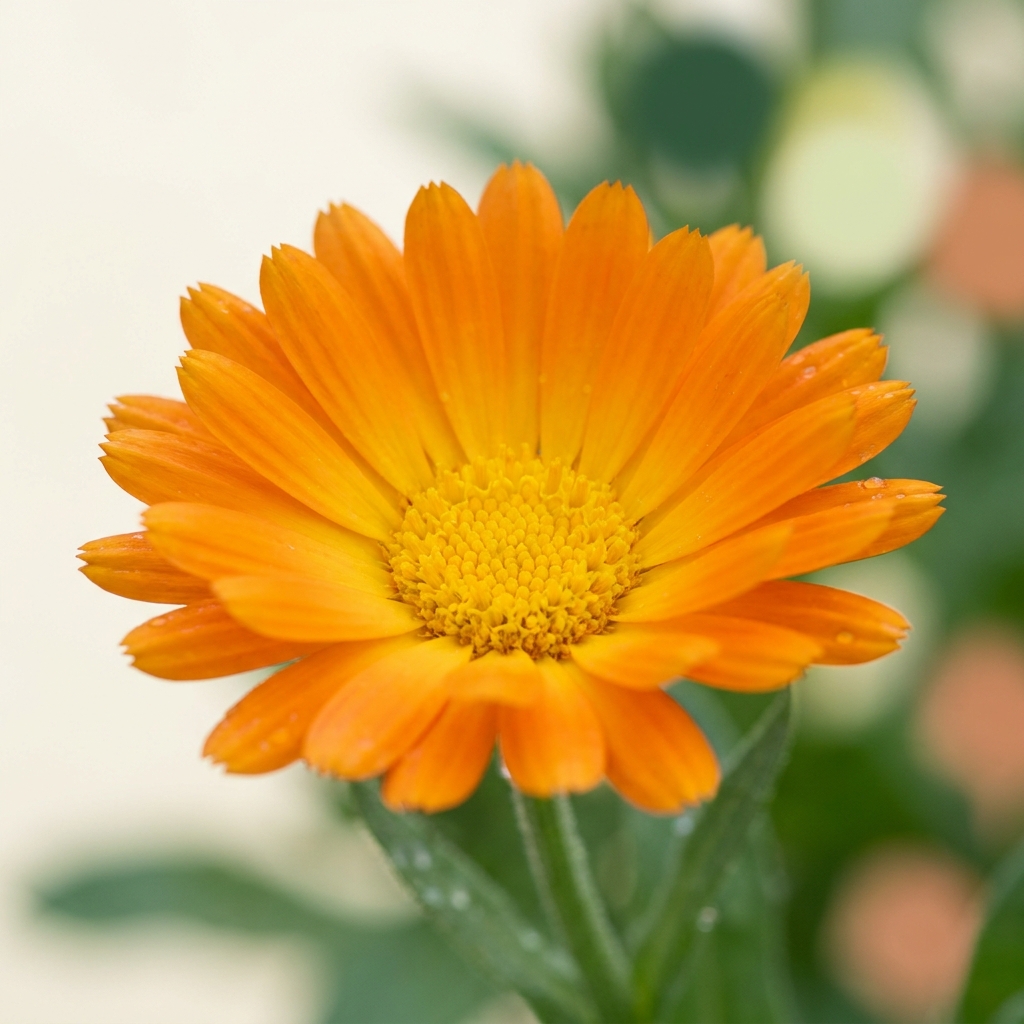
The RHS calendula guide describes both single and double daisy-like flowers, including orange, yellow and paler shades. A single flower may show its centre clearly, while extra rows of petals can obscure it in a double cultivar. Do not reject a labelled calendula solely because the centre is hidden, or identify it solely because the centre is visible.
Look at mature seed as supporting evidence
University of Wisconsin Extension describes calendula’s unusual curved seeds, developing as the petals fall and the seed head matures. Compare several mature seeds with a trustworthy species reference. Immature material or a general absence of fluffy tufts is not enough to confirm an identity.
If the flower, leaf and seed observations do not agree with the label, retain the uncertainty. Keep seed from separate plants in separate labelled packets rather than combining it under a guessed name.
A practical check before collecting seed
- Find the original packet, nursery tag or purchase record and record the full botanical and cultivar name.
- Photograph the entire plant, a leaf, a flower and a mature seed head. Compare these with the same species in a botanical or horticultural reference.
- If the tag only says “marigold,” ask the supplier or a knowledgeable local horticultural adviser to help identify it.
- Label saved seed with the confirmed name, collection date and parent plant. Keep uncertain material labelled as uncertain.
For the separate task of deciding when seed is ready and keeping it dry, see our seed-collection guide. Our plant-labelling guide helps keep the identification attached to the right tray or packet.
Check a marigold label before saving seed
This simplified garden comparison is for keeping planting records clear. Do not use a common name, flower colour or an illustration alone to identify a plant for eating.