
The journal
Does lettuce regrow after cutting? Practical tips for container growers
Learn whether lettuce regrows after cutting when growing lettuce in containers, with practical care, harvesting steps and troubleshooting for small spaces.
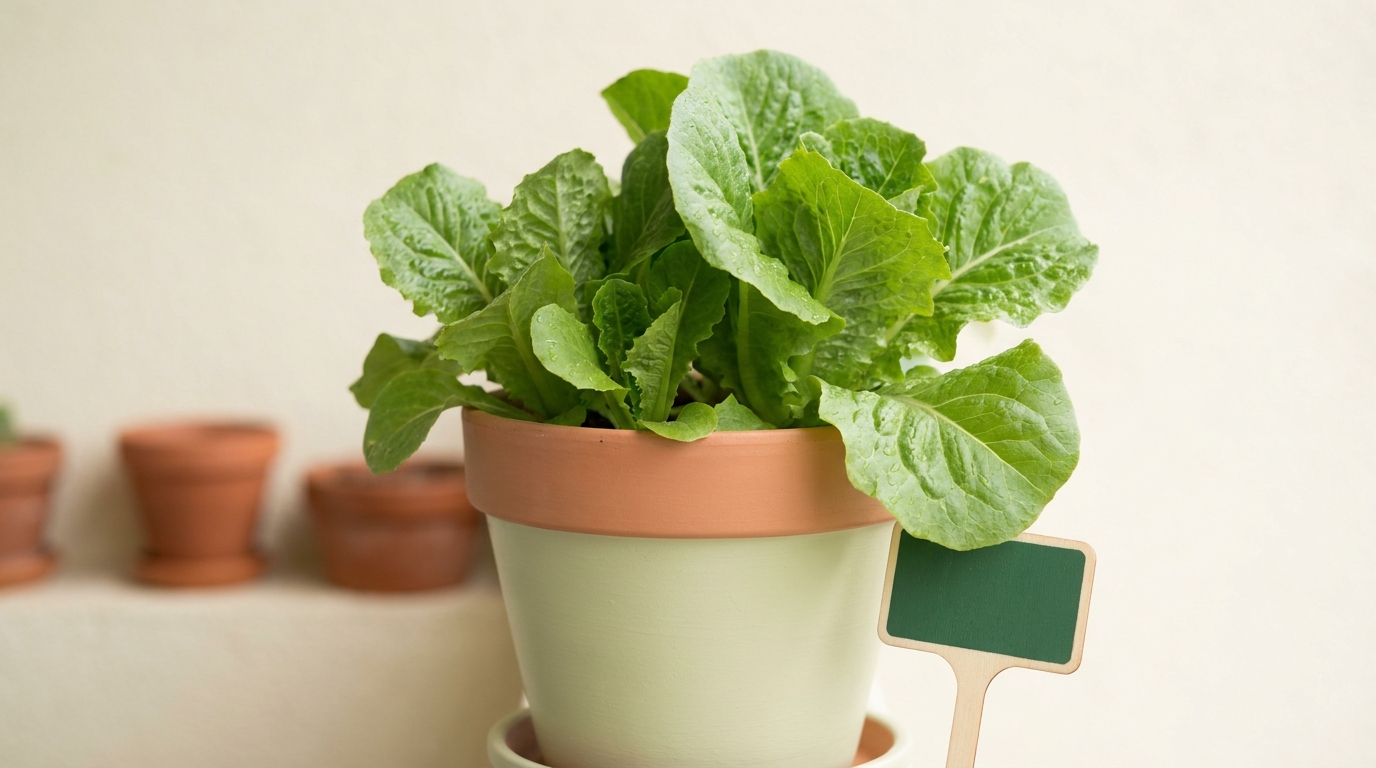
Quick answer for people growing lettuce in containers: does lettuce regrow after cutting?
Yes, many types of lettuce can regrow after cutting when you are growing lettuce in containers, but how well they recover depends on the variety and how you harvest. Leaf-type lettuces are the best candidates for repeated harvests, while heading types usually need a full harvest and replanting.
In containers, expect limited regrowth compared with garden beds because roots have less room and nutrients can be used up faster. Treat a container patch as suitable for a few rounds of leaf harvesting rather than a long-term perennial supply.
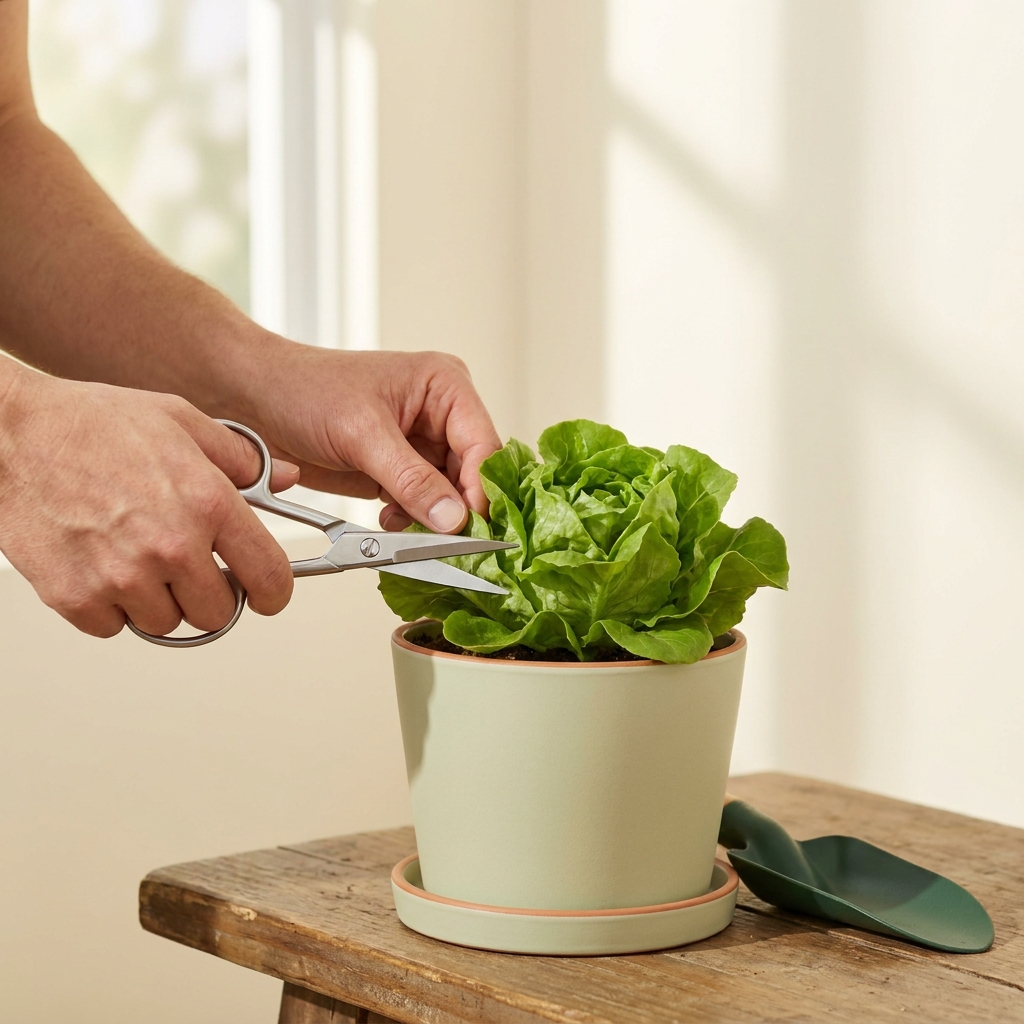
simple harvest tool list to use when cutting lettuce
Practical takeaway: use cut-and-come-again methods for leaf lettuce in containers, leave the growing center, and plan to replant after a few harvest cycles if growth slows.
Short summary (growing lettuce in containers)
When to expect regrowth versus replanting
Expect regrowth when you harvest leaves from the outer parts of leaf-type plants and avoid damaging the central growing point. Replant when the crown looks thin, root crowding is visible at the container edge, or leaf production declines noticeably.
How regrowth works when growing lettuce in containers: basic plant behavior to know
How leaf-bearing lettuce regrows after cutting
Leaf lettuce has a central growing point that supplies new leaves. When you remove outer leaves carefully, the plant redirects energy from stored reserves and the root system to make new foliage. In a container, that energy budget is smaller than in open ground, so plants regrow but at a reduced rate.
Think of the plant like a small team. The growing point is the leader. If the leader remains intact, the team can keep producing leaves. If you cut too close to the center, you remove the leader and reduce the plant's ability to recover.
Limitations: bolting and root vigor in containers
Plants can bolt, meaning they switch from leaf production to flowering, when stressed by heat or inconsistent conditions. Containers magnify heat and moisture swings, which can push lettuce toward bolting more quickly than in the ground.
Root vigor in a container is another limit. A shallow or crowded root ball has less access to water and nutrients, so even careful cutting will yield only modest regrowth. Good container care helps, but understand that each harvest draws on finite space and reserves.
How to cut and care for lettuce when growing lettuce in containers: a step-by-step routine
Tools and timing
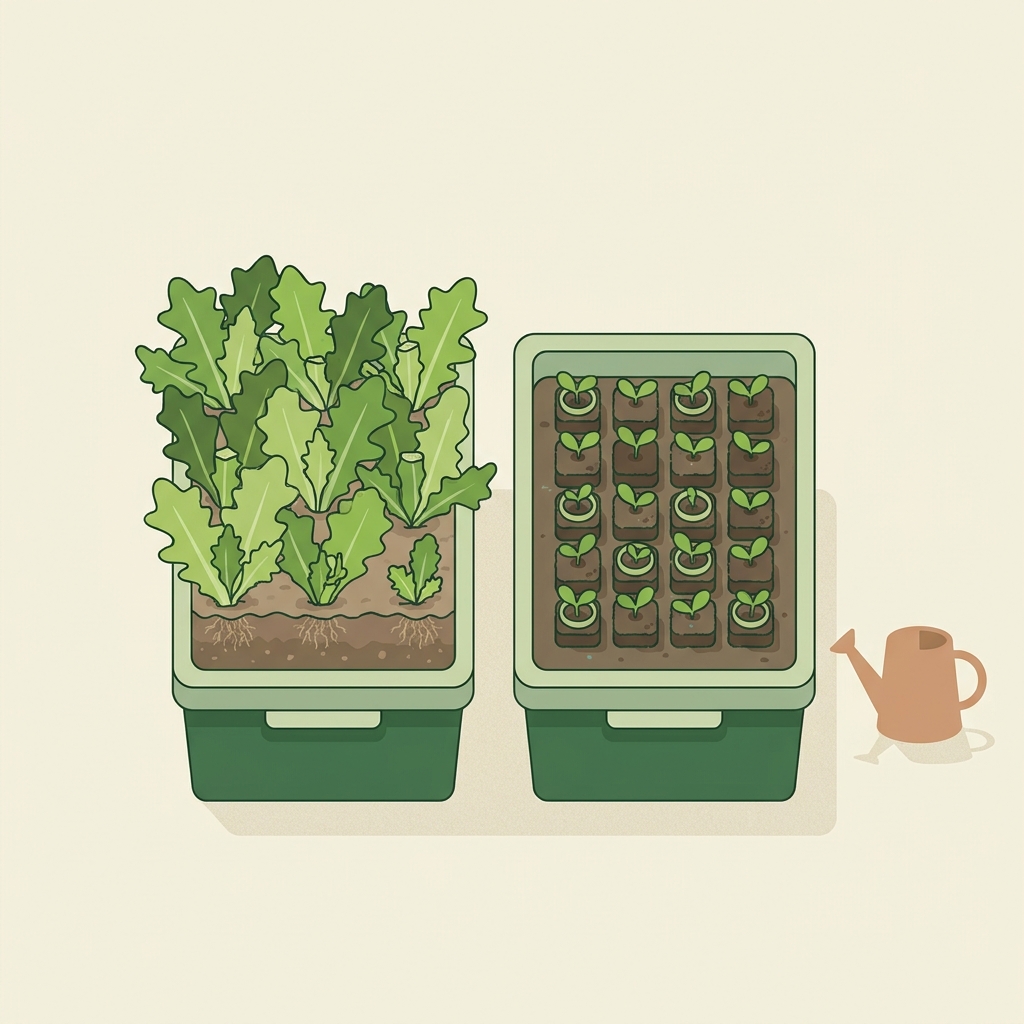
Look for mature outer leaves that are large enough to use but not browned or damaged. Avoid taking all the largest leaves at once; spread removals across a few plants where possible to keep the container productive.
Cutting techniques: leaf harvest vs. harvest-all
For cut-and-come-again harvesting, snip individual outer leaves or cut stems an inch or two above the crown so the growing point stays intact. For a harvest-all approach, cut the whole head at soil level and plan to replant the container.
Does lettuce regrow after cutting?
Yes, especially leaf-type lettuce can regrow after cutting when the crown and roots remain healthy, but containers limit how long regrowth remains productive.
Aftercare: watering, feeding and observation
After any harvest, check soil moisture and water gently if the top inch of potting mix is dry. Containers dry more quickly than beds, so keep a consistent but not waterlogged regime. Mulch the surface lightly to slow moisture loss when appropriate.
If plants show steady new leaf growth, a balanced, water-soluble fertilizer at a mild strength can support further harvests. Watch for pests at leaf margins and remove damaged leaves promptly to avoid spread.
Choosing varieties and container setup that help lettuce regrow when growing lettuce in containers
Variety selection for regrowth
Choose leaf-type lettuces when your goal is repeated harvests. These types produce loose leaves that you can remove over several cycles. Heading types form a compact head and are better for single full harvests.
On balconies or sunny patios, choose varieties that tolerate the local microclimate to avoid heat stress.
Container size, drainage and soil choices
Pick containers with enough depth to hold a healthy root ball and with reliable drainage. A container that is too shallow or that holds water at the bottom will limit root health and reduce regrowth potential.
Use a loose, well draining potting mix that still holds enough moisture and nutrients for several weeks. Lightweight mixes with added organic matter give roots room and stores of nutrients, which supports renewed leaf production after cutting.
Common mistakes and troubleshooting for growing lettuce in containers after cutting
Signs regrowth is failing
If new leaves are small, sparse, or pale, or if the plant seems to stop producing after you cut, root stress or poor nutrition is a likely cause. Overcrowding and persistent wet or dry conditions both show similar symptoms in containers.
Also watch for bolting, which appears as a tall central stalk and a rapid shift from leafing to flowering. Once bolting begins, leaf quality and quantity will decline and replanting is usually the better choice.
Quick fixes and preventative tips
If you cut too low, reduce further harvesting and give the plant time to recover with steady care. If crowding is the issue, thin plants or transplant a couple of healthy seedlings into new containers to restore vigor.
For moisture problems, adjust watering and improve drainage. If root rot occurs due to poor drainage, remove affected plants and replace the mix, then restart with fresh seedlings to avoid repeating the issue.
Practical examples, simple timelines and a concise conclusion for growing lettuce in containers
Two short scenarios: leaf harvest and full harvest
Mini-scenario one, leaf harvest: A container of leaf lettuce is harvested by snipping outer leaves over several weeks. The plants produce usable leaves after each careful cut, with slower regrowth after several cycles. The gardener keeps feeding lightly and replaces a few plants when growth declines.
Mini-scenario two, full harvest: A container with heading lettuce is harvested by removing the whole head. The gardener clears the container, refreshes the potting mix if needed, and replants for a new succession batch.
Final checklist for deciding whether to attempt regrowth or replant:
Check the crown and root ball. If the center is intact and roots are not tightly bound, try another round of leaf harvest. If the crown is thin, roots are crowded, or bolting has started, replant the container for better results.
With modest expectations and steady care, many gardeners get several useful harvests from leaf lettuce in containers. Use the checklist below to guide quick decisions and maintenance.
When to replant and a closing checklist
Replant when leaf production drops and the plant shows signs of chronic stress. Succession planting helps maintain a steady supply by staggering seedlings or sowing new seeds in small numbers over the season.
Checklist: leave the growing point intact for cut-and-come-again, maintain consistent moisture, use a good potting mix, choose leaf types for repeated harvesting, and refresh or replant when growth slows.

When to replant and a closing checklist
Frequently asked questions
Can I regrow lettuce from kitchen scraps in a container?
Leaf lettuce will produce new leaves from a trimmed plant if the crown and roots remain healthy, but kitchen scraps often produce limited regrowth and are best treated as a short-term experiment rather than a reliable method.
How many times can I harvest lettuce from one container?
You can harvest leaf lettuce a few times using cut-and-come-again methods, but container limits like root space and nutrients mean you should expect diminishing returns and plan to replant after several cycles.
Will fertilizing after cutting help lettuce regrow faster?
A mild, balanced fertilizer can support regrowth if the plant shows healthy new leaves; avoid overfeeding and follow product instructions for containers.
With the right variety, container setup and gentle harvesting, many gardeners can enjoy a few rounds of fresh leaves from the same plants. Watch the crown and roots, maintain steady care, and replant when growth becomes slow to keep your containers productive season after season.
References
- https://joegardener.com/video/3-ways-to-harvest-leaf-lettuce-cutcome-again/
- https://bonnieplants.com/blogs/how-to-grow/growing-lettuce
- https://the-food-garden.com/2020/06/05/how-to-grow-lettuce-containers-pots-patio-balcony/
- https://gardeninreach.com/guides/plant-pots-and-containers/
- https://gardeninreach.com/guides/potting-mix-and-plant-care/
- https://gardeninreach.com/guides/seasonal-container-gardening/