
The journal
Is zone 6b colder than 6a?
No. In USDA plant hardiness zones, 6b is about 5°F warmer than 6a. Here’s what that split measures and how to use it when choosing plants.
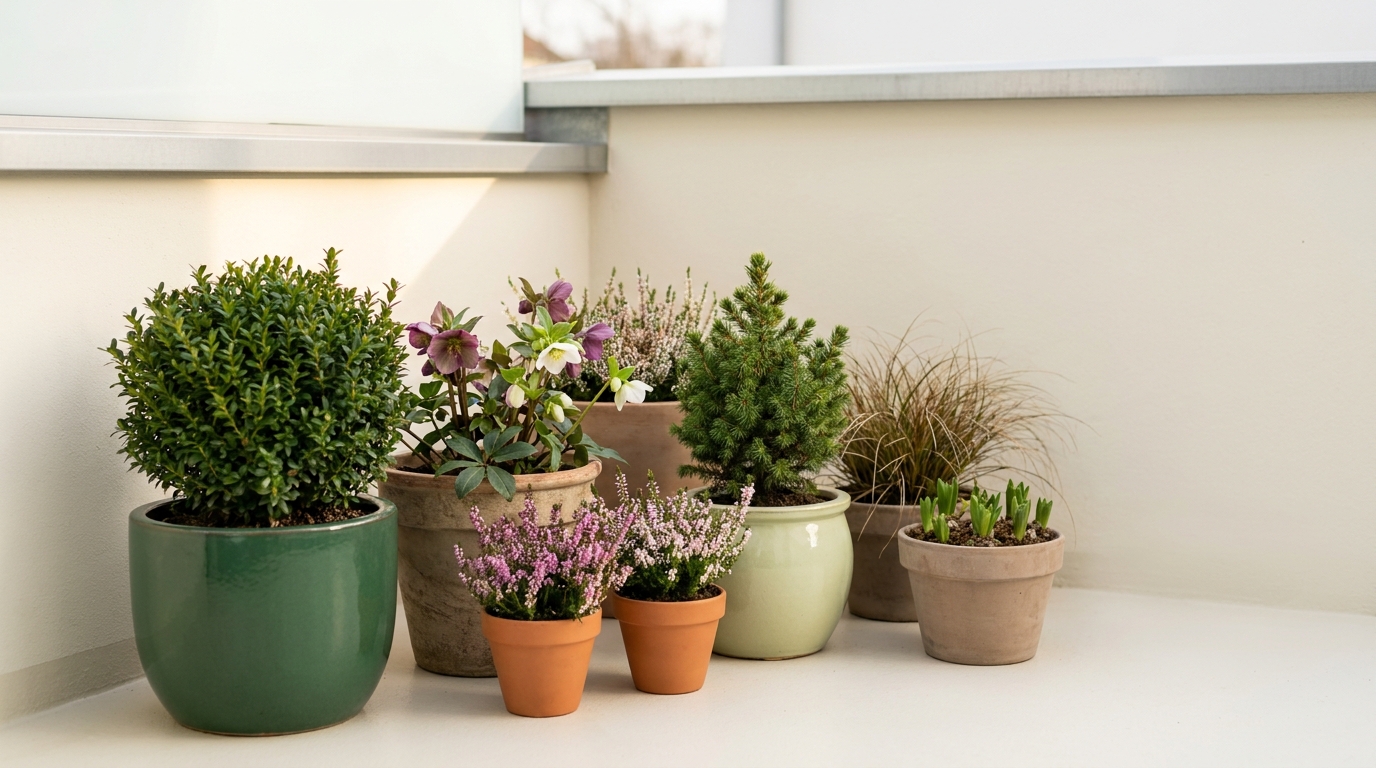
No. Zone 6b is warmer than 6a by about 5°F. In the USDA plant hardiness system, 6a’s average annual extreme minimum is roughly −10°F to −5°F, while 6b is −5°F to 0°F. Subzones a and b mark these 5°F bands within each numbered zone USDA hardiness zones explained (Old Farmer’s Almanac).
What 6a and 6b actually measure
USDA hardiness zones are based on the average annual extreme minimum air temperature. They help predict whether a plant can survive winter in a location. They do not account for wind chill, frost dates, summer heat, rainfall or humidity. Local exposure, elevation and nearby buildings can make a particular planting spot warmer or colder than the wider mapped area Old Farmer’s Almanac.
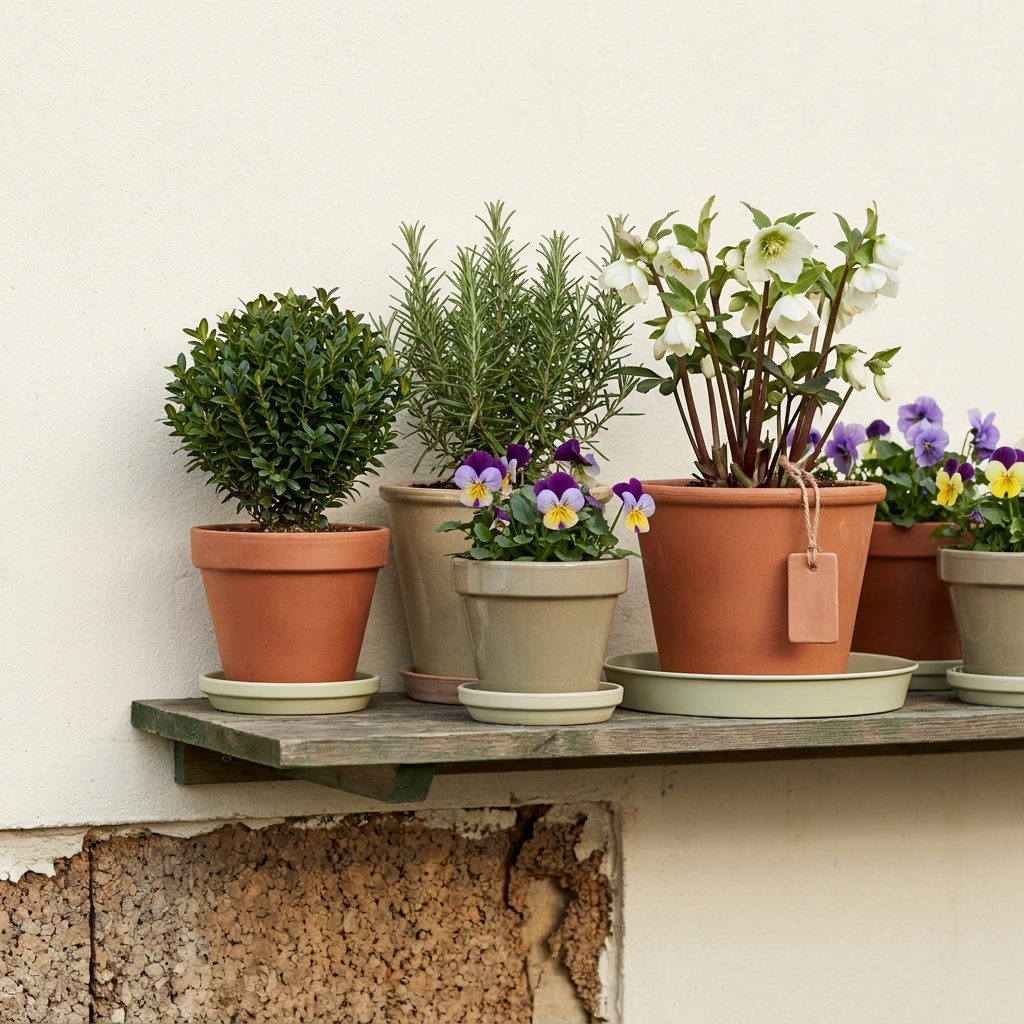
The USDA guide to using the map explains that the current zones summarize average yearly cold extremes from 1991-2020. They do not state the coldest temperature a location could ever experience, so an unusually severe winter can damage a plant even within its nominal range.
How the 5°F difference guides plant choice
Because 6b is 5°F warmer, plants hardy to 6a generally tolerate both 6a and 6b. Plants labeled only to 6b can be risky in true 6a conditions, especially in exposed sites. When you’re on a zone border or unsure about a cold pocket, choose plants rated for the colder subzone to reduce winter losses Old Farmer’s Almanac.
Container and small-space notes
Outdoor containers lose heat faster than ground soil, so perennials in pots are more vulnerable to deep freezes. If you plan to overwinter containers outside, using plants rated one or two zones colder is a common starting precaution, alongside shelter and suitable insulation. It is not a guarantee: species, container size, moisture and the actual winter conditions still matter USDA zones and containers (Garden Design).
Recent map updates and regional shifts
Zone assignments can change as maps update. For example, Kansas City is designated Zone 6b on the 2023 USDA update. Extension guidance also reminds gardeners that hardiness maps reflect winter survival only; heat, drought, rainfall and soil are separate considerations when selecting plants K‑State Extension on hardiness zones.
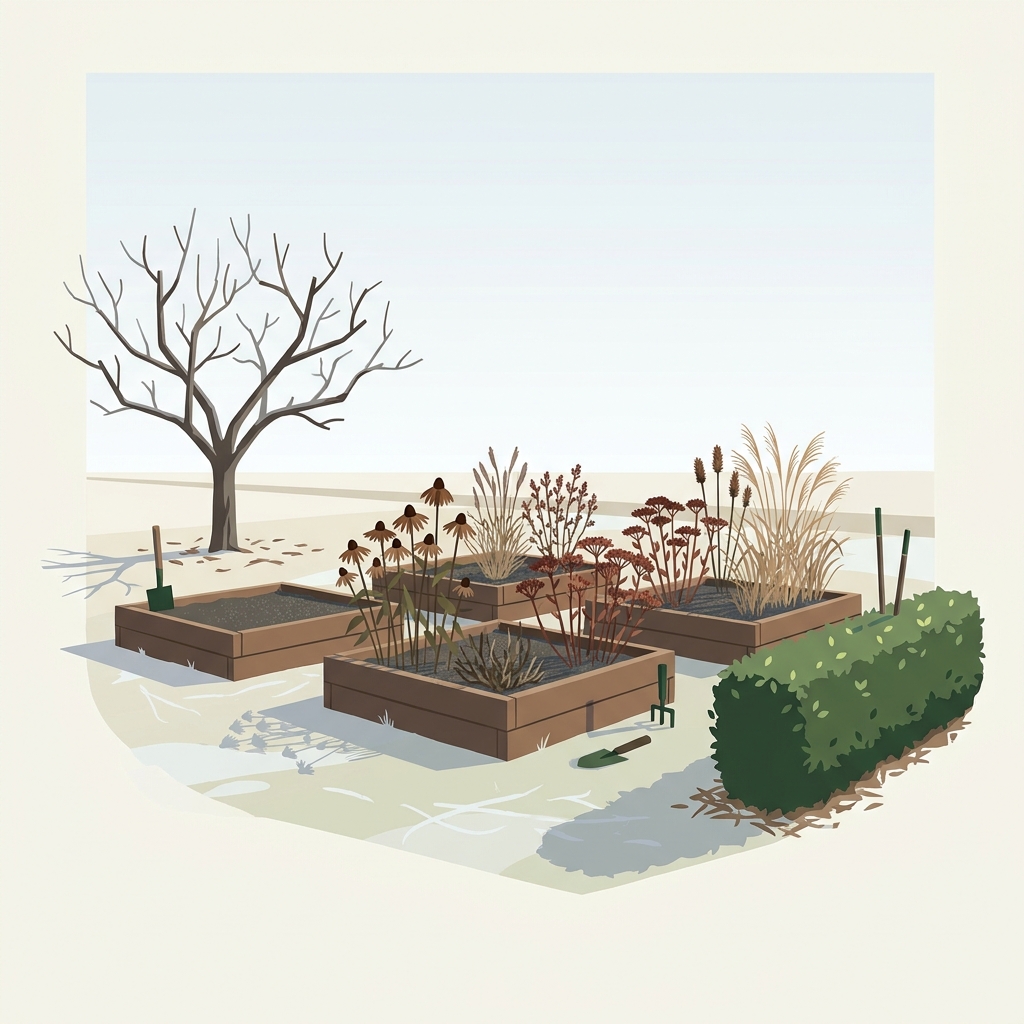
Deciding if a Zone 6b plant fits your spot
FAQ
Which is colder, 6a or 6b?
6a is colder. The “a” subzone is the colder 5°F band; the “b” subzone is the warmer 5°F band within the same zone number Old Farmer’s Almanac.
Do hardiness zones include wind chill or frost dates?
No. Zones reflect average annual extreme minimum air temperatures, not wind chill or timing of frosts Old Farmer’s Almanac.
Related for container gardeners: Will herbs survive winter in pots? and Can you leave terracotta pots outside in winter?