
The journal
How do I deadhead flowers? Quick, practical steps
What deadheading is and how to do it: where to cut, when to do it, when to stop, and simple tool tips for containers and small beds.
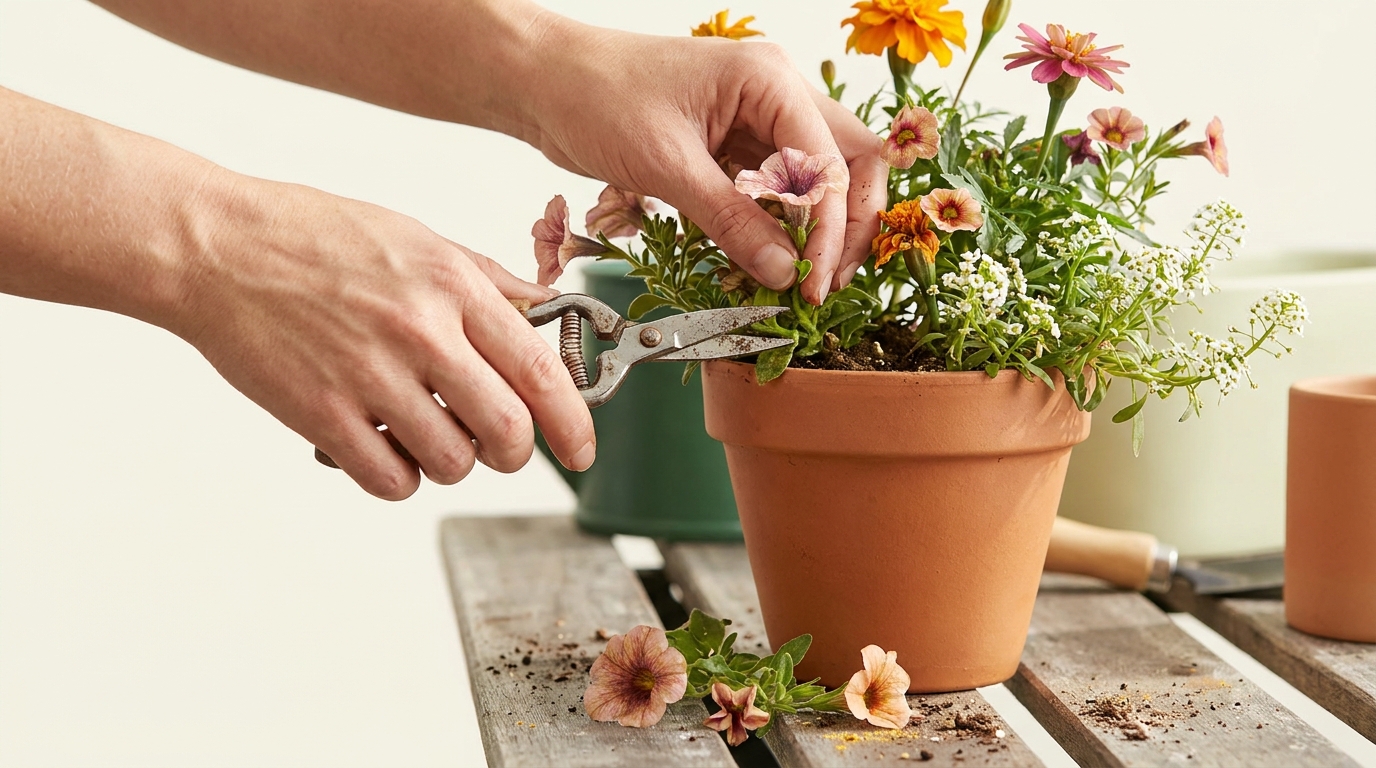
Deadheading means removing spent flowers so the plant looks tidy and, in many cases, keeps blooming. Pinch or cut the flower stalk just below the faded bloom and above the next bud or healthy leaf. Do it as soon as flowers start to look scruffy for the best results (RHS advice).
What deadheading does
Most flowers switch energy into making seeds once petals fade. Removing those dead heads can redirect that effort into fresh growth and more flowers on many plants, and it keeps containers and beds neat (RHS advice). Routine deadheading through the growing season is a simple maintenance task; short, regular sessions make it easy to keep up (Penn State Extension).
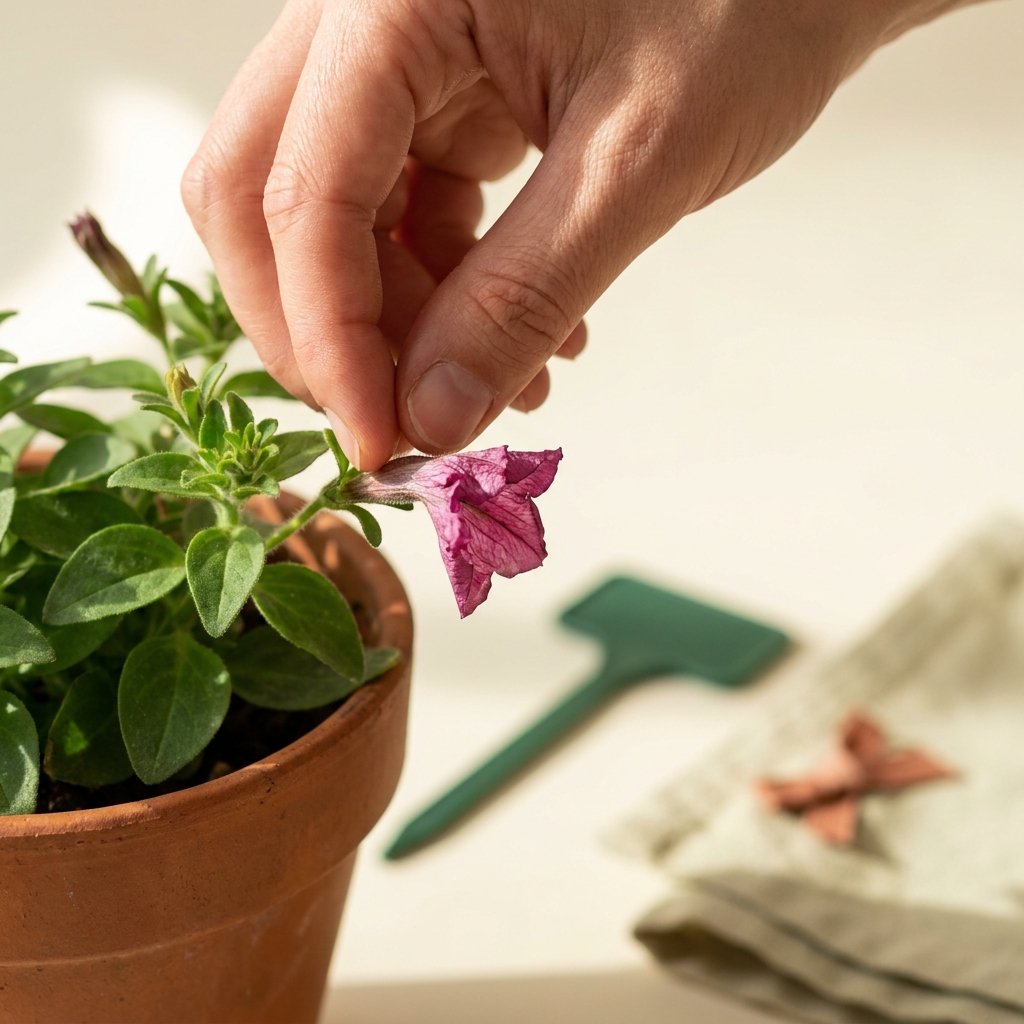
When to deadhead
- Start as soon as blooms fade, lose color or form seed pods. Frequency varies by plant: some bedding plants benefit from near-daily checks; many border perennials need a weekly pass (RHS advice).
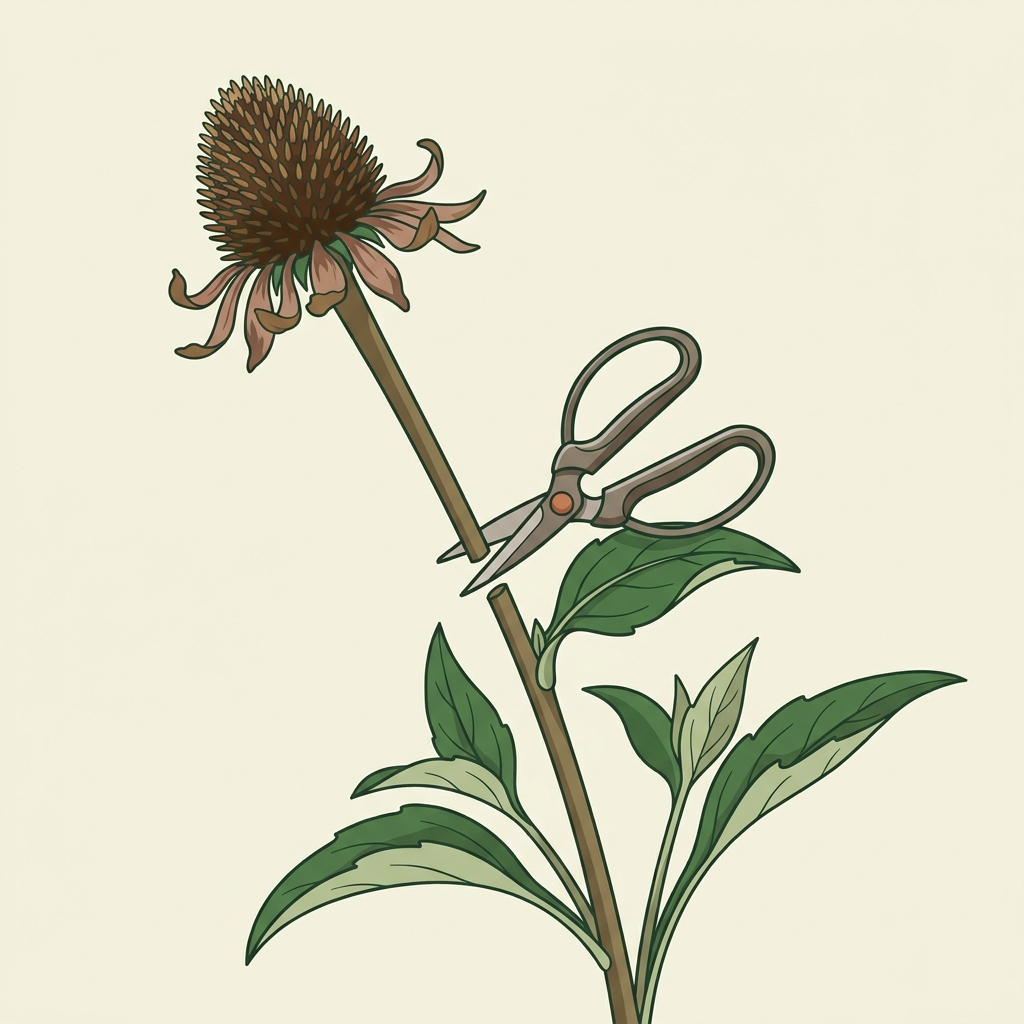
- Pause or stop in autumn if you want to feed wildlife or enjoy decorative seed heads. Coneflower and black-eyed Susan seed heads, for example, provide valuable winter food for birds (Penn State Extension).
- If you plan on collecting seed, leave selected flowers to ripen fully before cutting.
How to deadhead: step by step
- Identify spent blooms or forming seed pods. Look closely so you don’t remove hidden new buds (Penn State Extension).
- On soft, thin stems, pinch off the flower with its short stalk using finger and thumb.
- On thicker or woody stems, use clean, sharp snips or secateurs to cut just above the next bud or healthy leaf for a neat finish (RHS advice).
- For flower spikes or heads with many florets (for example, lupins or delphiniums), remove finished individual florets where practical, then prune the whole head down to just above a lower bud or side shoot once the head is over (RHS advice).
- For bulbs like daffodils, remove the spent flower but leave the green stalk and foliage to photosynthesize for next year’s bloom (RHS advice).
Tools and hygiene
- Fingers are fine for soft stems; use small scissors or secateurs for tougher ones. Trim the flower with its stalk to keep plants tidy (RHS advice).
- Wipe blades between plants to limit disease spread. See our guide on what’s the best thing to clean garden tools with?
Species notes and exceptions
- Good candidates for repeated deadheading include many summer bedding plants and repeat-blooming perennials; timing and response vary by species (RHS advice).
- Some plants self-clean and don’t need deadheading, such as fuchsias, bedding lobelia and many salvias (RHS advice).
- If you value ornamental or bird-friendly seed heads, or you want self-seeding, skip deadheading on those plants or stop later in the season (RHS advice; Penn State Extension).
A quick routine for containers and small beds
Work methodically around the pot or bed. Remove any obviously faded blooms, then scan for seed pods. Cut to just above the next bud or healthy leaf, and gather debris so it doesn’t harbor disease. Little-and-often pays off through peak season (RHS advice).
Run a 10-minute deadheading session
Common mistakes to avoid
- Cutting too low and removing healthy leaves. Aim just above a bud or the first full leaf set to retain energy-making foliage (RHS advice).
- Leaving long, bare stubs after cutting. Trim back to a bud or side shoot for a clean look and quicker regrowth (RHS advice).
- Deadheading everything in late season. Pause to leave seed for birds and winter structure, especially on plants like coneflowers and rudbeckias (Penn State Extension).
FAQ
Will deadheading always bring more blooms? Not always. Many annuals and repeat-blooming perennials respond with further flowers, but some plants mainly gain a tidier look and stronger vegetative growth (RHS advice).
How should I deadhead bulbs? Remove the spent flower head, but leave the green stalk and leaves so they can photosynthesize and recharge the bulb for next year (RHS advice).

If you’re new to plant care techniques, our simple herb pruning primer can also build your confidence: How to pinch back basil leaves.