
The journal
What are the best plants for shaded balconies? Practical picks for windier spots
balcony garden windy plants, practical plant groups and container tips to help shaded balcony gardens handle wind and low light.
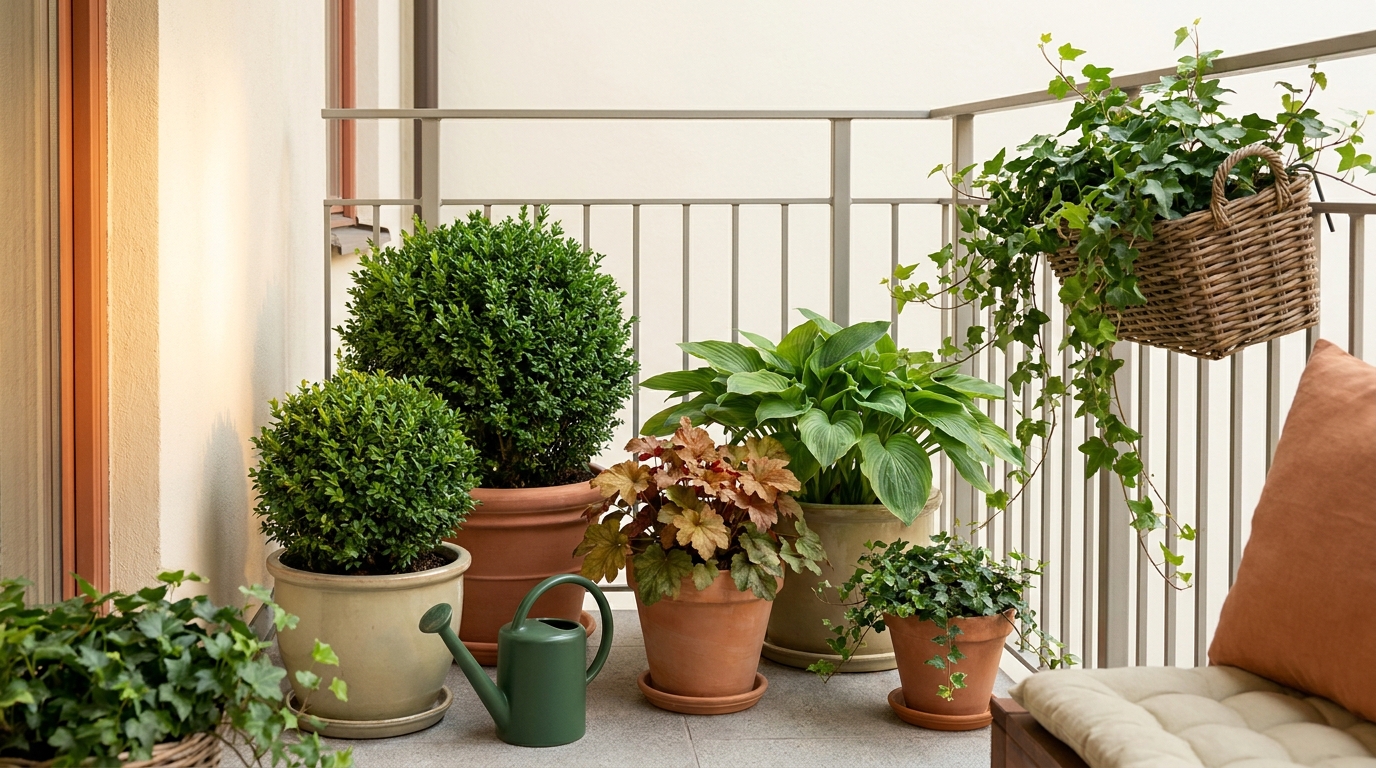
Quick answer: balcony garden windy plants for shaded balconies
For shaded, windy balconies, choose hardy, low-movement plants that tolerate low light and regular gusts. Focus on shade-tolerant perennials, evergreen shrubs that provide shelter, bunching ornamental grasses or sedges, and trailing plants that move without tearing.
These groups give year round structure and reduce the chance of pot tipping when you use stable containers and cluster plantings for shelter. In short, pick plants with sturdy root systems, flexible foliage, and manageable height.
Which plants tolerate shade and wind on small balconies and how should I set them up?
Choose shade-tolerant perennials, compact evergreens, bunching grasses and flexible trailing plants; use heavy, wide-based containers, group pots for shelter, and match root depth to container size.
One-sentence recommendation: start with an evergreen for shelter, add a clumping perennial for texture, and use a trailing species for soft edges.
Quick container action you can take in an hour: choose heavy stable pots, move containers together to create wind buffers, and position pots just behind the parapet or away from wind lines of sight. Check building rules and keep drainage clear so you do not block water outflow or access to shared routes or fire exits.
Who this guide is for
This guide is aimed at city and apartment gardeners with small, shaded balconies who want low-effort success. It is practical and step by step so you can take actions this weekend.
One-sentence recommendation
If you have a shaded balcony choose shade-tolerant plants in stable containers and cluster them to reduce wind stress.
How to assess light, wind and microclimate on a shaded balcony - balcony garden windy plants checklist
Start with a simple three-time light check. Note sunlight in the morning, midday and late afternoon by standing where your plants will be and observing for ten minutes each time. Record whether light is direct, dappled, or only reflected light from nearby walls.
Look for reflected light from buildings and heat reflection from windows or pale walls, because reflected light can boost plant performance even on otherwise shaded balconies. Mark those areas where reflected light reaches the pots for part of the day.
To observe wind patterns safely, use a small piece of ribbon, a strip of tissue, or lightweight string tied to a railing and watch how it moves during normal weather. Test at different times and on a breezy day to spot the prevailing direction and common gusts.
When using household items to check wind, keep a safe distance from the railing and do not lean over the edge. If you feel uncomfortable testing at the edge, tape a small ribbon to a broom handle and observe from a safe spot on the balcony.
Note microclimate modifiers that affect plants: nearby walls, glass surfaces, an overhang that shades and shelters, hard surfaces that reflect heat, and common-use features like doors or elevator shafts that create drafts. These elements change how plants experience both light and wind.
Write a simple map of your balcony on paper and mark shaded zones, spots that get reflected light, the main wind direction, and any surfaces that radiate heat. This map will help you match plant traits to exact spots.

Simple light checks anyone can do
Observe at three times of day and note direct, dappled, or reflected light. Keep entries brief and practical so you can act on the results.
How to observe wind patterns safely
Use ribbon or string to see prevailing gusts, test on different days, and always prioritize safety near edges.
Microclimate factors that matter (surfaces, neighbors, shelter)
List nearby walls, glass, overhangs and common-use corridors as modifiers; these can create pockets that are noticeably warmer or calmer than open-air spots.
Best plant groups for shaded, windy balconies - recommended balcony garden windy plants
Pick plant groups that combine shade tolerance with flexible structure. Consider shelter-building evergreens and shrubs, shade-tolerant perennials and ferns, sedges and ornamental grasses, and trailing species that tolerate movement.
Shelter-building evergreens and compact shrubs give vertical structure and break wind before it hits more fragile plants. Look for slow-growing, container-friendly evergreen shrubs that keep a low to medium profile and have pliable branches.
For container notes, choose deeper, heavier pots for shrubs so roots have room and the pot resists tipping. A coarse, well draining soil mix with some moisture retention works well for most evergreen containers.
Shade-tolerant perennials and ferns add texture and seasonal interest. Plants like clumping perennials with broad leaves hold up to light variation and can tolerate better airflow if rooted well before windy periods.
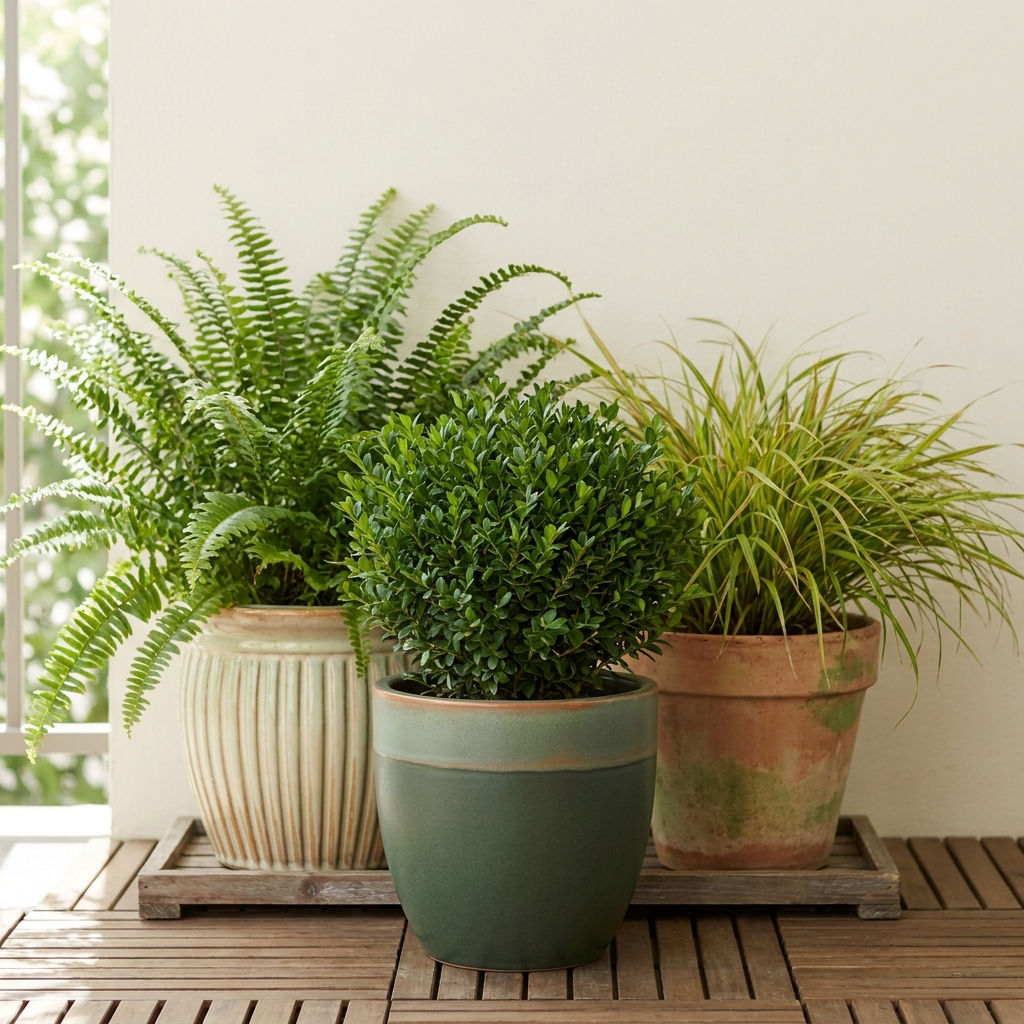
In containers, aim for a soil depth that allows a healthy root mass; many perennials do well in 20 to 30 cm of growing medium. Use a stable pot with a wider base for clumping species to avoid tipping in gusts.
Grasses, sedges and other structural plants are useful when you need flexible movement rather than brittle stems. Bunching sedges and clumping ornamental grasses bend with wind and provide year round form without high maintenance.
When container gardening with grasses, pick pots that are low and wide when possible. Taller clumping grasses should be in deeper pots with weight in the base to prevent tipping. Avoid staking unless stems are brittle and likely to snap.
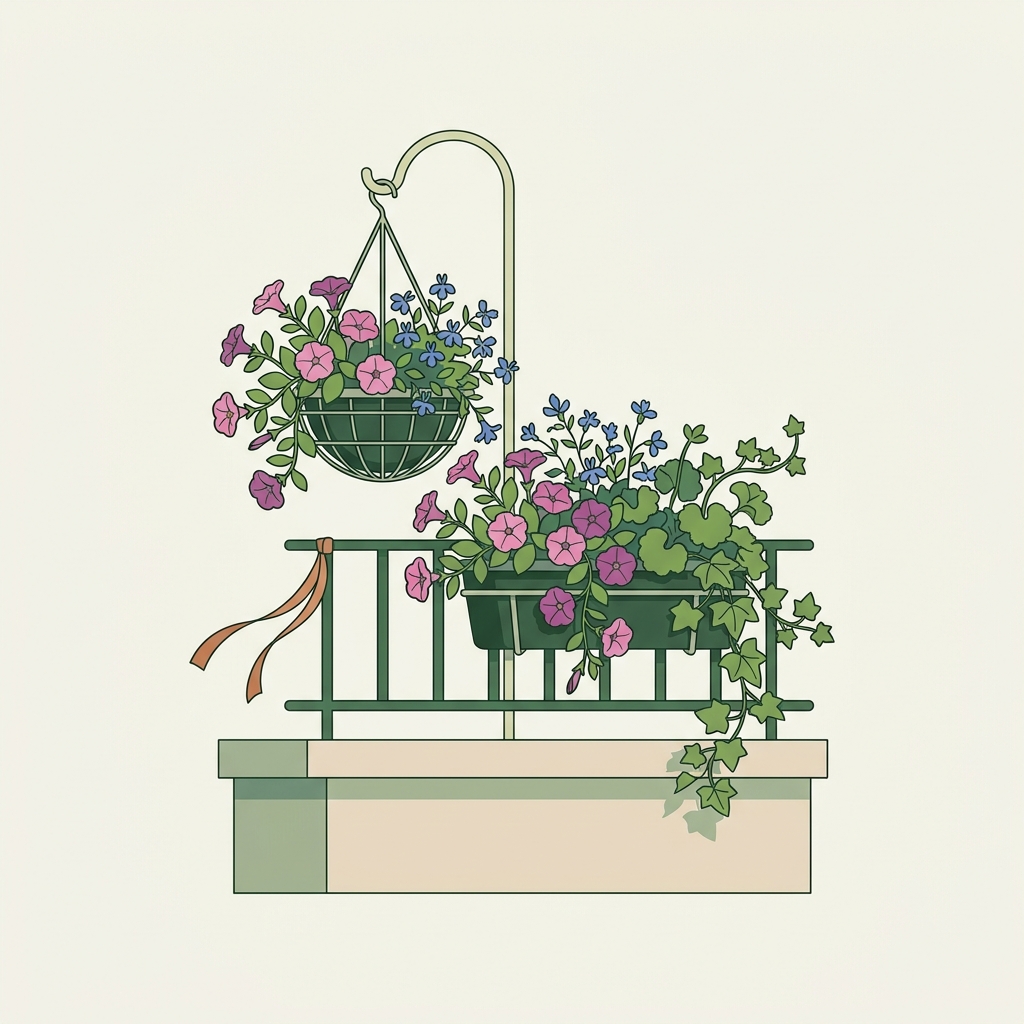
For trailing plants, use hanging baskets or high planters with secure hooks and well anchored support. Choose soil that does not dry out too quickly and check drainage frequently to prevent soggy crowns.
Trailing and basket-friendly species soften edges and can be surprisingly resilient if you choose types that do not have extremely fragile foliage. Trailing plants that have flexible stems and a low center of gravity can handle movement without tearing or losing leaves.
Shelter-building evergreens and shrubs
Evergreens provide a wind buffer and visual privacy. In containers they perform best when given enough root space and a heavier pot to anchor them.
Shade-tolerant perennials and ferns
Ferns and clumping perennials are forgiving of low light and can handle indirect wind when well rooted and paired with heavier pots.
Grasses, sedges and structural plants
Sedges and clumping grasses bend with wind and keep shape in shade, making them a reliable structural choice for small spaces.
Trailing and basket-friendly species
Trailing plants give soft edges and move with gusts rather than resist them, reducing stress on stems in windy conditions.
A simple decision framework to choose plants and containers
Step one: use your balcony map to identify calm corners and the most exposed lines. Place taller or sheltering plants where wind arrives so they protect more fragile pots behind them.
a quick three step plant and pot match tool
Step two: choose plant groups that match each spot on your map, favoring low height and flexible foliage in the most exposed locations. Plant in groups rather than single isolated pots to reduce wind funneling.
Step three: pick containers sized to root depth and weight needs, and place them grouped and staggered to create shelter. Use heavier materials or add internal ballast to resist tipping when gusts arrive. See guidance on container choices at Garden in Reach guides.
Match plant traits to your balcony map
Match shade tolerance and root depth to the exact site. Choose clumping species for shallow pots and deeper rooting shrubs for larger containers.
Container size, weight and drainage rules
Use pots with wide footprints for stability, ensure clear drainage, and consider adding gravel or broken pots to the base for ballast. A soil mix that drains well but retains enough moisture keeps roots healthy in shaded conditions.
Wind management: placement, grouping and screening
Group containers close together to reduce wind exposure and use temporary screens or lattice that are not permanent fixtures. For rentals, use freestanding or weighted screens that do not alter building fabric.
Typical mistakes, maintenance pitfalls and how to avoid them
Overwatering shaded containers is common. Shaded pots dry slower, so check soil with a finger rather than sticking to a fixed schedule. If the top few centimeters are still moist, wait before watering.
Light is lower in shade; watch for leggy growth and weak stems. Prune selectively to encourage denser form and to improve airflow through the canopy to reduce disease risk.
Underestimating wind stress causes pot tipping. Use heavier pots, wider bases, or add weight in the pot base. Reposition pots after storms and check stakes and ties regularly.
Wrong plant in the wrong place happens when selections ignore root space. If a plant looks crowded, consider repotting into a larger container before roots become rootbound and cause stress.
Here are five common mistakes and fixes. Mistake one, overcrowding. Fix: space plants to allow airflow and root room. Mistake two, lightweight pots that tip. Fix: use heavier pots or add ballast. Mistake three, ignoring root space. Fix: repot when roots circle densely. Mistake four, wrong soil. Fix: use a mix that drains yet retains moisture. Mistake five, skipping staking. Fix: use soft ties and stakes after storms to reduce movement.
Maintenance tips: water less often but check more carefully in shade, prune to maintain airflow, inspect ties and supports after windy periods, and top up mulch to speed moisture retention without suffocating roots.
To diagnose wind damage, look for torn leaves, leaning pots, and broken stems. If leaves yellow widely across the plant, suspect overwatering or root issues rather than wind. For torn foliage, trim damaged leaves and reduce immediate exposure.
Overwatering and container drainage
Shaded pots need good drainage and a soil mix that holds some moisture without staying soggy. Ensure saucers do not trap water that keeps the root crown wet.
Underestimating wind stress and pot tipping
Anchor pots, use wider planters, and group plants to reduce the risk of tipping in gusts.
Wrong plant in wrong place
Choose species that match root depth and light level to avoid common placement mistakes.
Practical planting plans and a simple care checklist for shaded, windy balconies
Small balcony plan for deep containers: place a compact evergreen near the wall for shelter, a clumping perennial as mid layer, and a trailing plant at the rim to soften the edge. Use three to five containers and place them close together to create a small micro-shelter.
Choose one heavier pot for the evergreen and slightly lighter pots for the perennial and trailer. This keeps the center anchored while edges remain attractive and dynamic.
Medium balcony plan using layered heights: use a low evergreen as anchor, add one taller structural plant in a deep pot, fill with shade-tolerant perennials, and finish with a trailing species in a hanging basket or rim planter. Stagger placement to break direct wind lines.
For medium spaces, consider a narrow bench or shelf that allows raised planters out of the strongest gusts. Group containers on the windward side to act as a buffer and protect the rest of the planting area.
Ongoing seasonal care checklist: check soil moisture weekly in summer and every two to three weeks in cool seasons, prune dead material after storms, refresh topsoil and mulch each spring, and repot plants showing dense root growth every two to three years.
Troubleshooting scenarios: if a pot leans after wind, move it to a more sheltered spot and add ballast or a wider saucer. If soil stays soggy, improve drainage and remove excess saucer water. If leaves yellow in shade, check for overwatering and reduce water until the soil surface dries slightly between watering events.
Small example planting combo copyable for a shaded balcony: compact evergreen in a heavy 30 cm pot at the corner, a clumping shade perennial in a 25 cm pot beside it, and a trailing plant in a rim planter. Group close to the wall and away from direct windlines.
Medium example: low evergreen in a heavy 35 cm pot, a taller clumping structural plant in a 30 cm deep pot, two shade perennials in 25 cm pots, and a hanging trailing basket. Arrange to create staggered shelter and visual layers.
Small balcony plan for deep containers
Anchor with one heavy pot, add one or two mid-size containers, and finish with a small trail to soften the edge.
Medium balcony plan using layered heights
Layer plants by height and group them so wind funnels around the group rather than through it.
Ongoing seasonal care checklist
Weekly checks in warm months, monthly inspections in cool months, and repot when roots outgrow the container.
Frequently asked questions
Can plants really survive on a shaded, windy balcony?
Yes. By choosing shade-tolerant plants with flexible foliage, using stable containers, and arranging pots to reduce direct gusts, many species can thrive in shaded, windy balconies.
How do I stop pots from tipping in gusts?
Use wider, heavier pots, add ballast in the base, group pots close together and place bulkier containers on the windward side to act as a buffer.
How often should I water shaded containers?
Check soil moisture with a finger and water only when the top few centimeters are dry; shaded pots usually need less frequent watering than those in sun.
With a short site check and a few heavy pots, you can build a low-maintenance balcony garden that handles shade and wind. Start small, observe how your balcony changes with weather, and adjust plant placement and care as the seasons pass.
References
- https://libguides.nybg.org/c.php?g=655003&p=5534330
- https://www.gardendesign.com/containers/shade.html
- https://www.provenwinners.com/learn/container-plants-shade
- https://gardeninreach.com/
- https://gardeninreach.com/guides/plant-pots-and-containers/
- https://gardeninreach.com/guides/potting-mix-and-plant-care/
- https://gardeninreach.com/guides/container-watering/
- https://media.gardeninreach.com/brand/wordmark-8a9a2ce355.svg